
Renting a vehicle has become more convenient than ever before. You can choose from a variety of options, such as rental box trucks, pickup trucks, cargo vans to haul your belongings around, or sedans and SUVs to travel comfortably. No matter your requirements, there are certain do’s and don’ts to keep in mind during a van rental to ensure a seamless experience. Here are a few tips to consider when renting a van: Take your time When you are used to driving your vehicle, adjusting to a new one can take some time. Be sure to look around to understand where the controls are located and familiarize yourself with them before leaving the parking lot. On the road, drive slowly and ease into parking spaces instead of rushing to get things done. This will help you have a pleasant and safer driving experience. Be mindful of your insurance To know what your car insurance policy covers, it’s important to review your insurance papers. This will help you determine if you need to buy additional renter’s insurance for your rental van from the company, depending on your coverage. Compare your choices People living in larger cities are likely to have more rental companies to choose from. Do your homework and compare the prices offered by different companies, so you can get the best price possible. Price alone may not be the deciding factor when choosing. While a cheap rental van may sound attractive, look into the other features and services offered, and weigh them according to your needs. Read the full terms and conditions before finalizing your rental agreement. Check the documents and the car Just like you would when making any other purchase, it’s important to carefully review the paperwork before renting a van. Take a close look at the agreement and watch out for any additional charges that may have been included. Once you have the van, inspect it for any damages and promptly inform the rental company if you notice any. Doing this before you drive off the renter’s premises can help you save your deposit and avoid any unnecessary hassles or damage charges later. Try to have one designated driver If you want to avoid incurring additional charges, try to have one or two designated drivers (some may exclude spouses or domestic partners). Even if you have drivers over the age of 25, most policies will charge additional compensation for every driver you register. Additionally, each driver will have to meet the age requirements, appear at the rental counter with the primary renter, and present a valid driver’s license. Don’t rent from an unlisted company When renting a van, it’s important to consider smaller companies as they may offer better rates. However, it’s crucial to check their authenticity by looking at reviews and listings beforehand. Renting a van from an unlisted company can cause trouble later on, especially if you run into a situation where your car needs to be replaced. On the other hand, renting from a larger company will allow you to choose between multiple rental options and have a backup if needed. You are also likely to receive better service during a vehicle breakdown, as many big companies feature an in-house repair station. Don’t ignore the restrictions Rental cars are often accompanied by several restrictions, so make sure you check with the company before you leave. Some of these may include speed or distance limits, and you may be liable to pay extra when you cross them. Avoid any penalties and have a smooth experience by considering these details before you finalize your rental agreement. Don’t wait until the last minute It’s ideal to book your van as soon as you learn of your requirements. By reserving a van in advance, you can get the vehicle you need at the best possible price. This will also help you save time for other important tasks. Communicating with a van rental company in advance about your requirements can help them plan more efficiently and offer better service throughout your rental period. Of course, you can always choose to cancel your rental reservation later. Some companies may charge a premium for last-minute cancellations. Don’t be in a rush to drive off There are several things to learn about a car/van when you first begin to drive it. Don’t be in a rush to drive off the parking lot. Speak to the rental company and have all your questions answered. Chart your driving route in advance for a more comfortable and confident van-driving experience. Don’t use a debit card for the rental Debit cards are not always accepted for rentals, and most places do not accept cash. Car rental companies prefer payments made with credit cards, as it gives them a higher assurance of payment. However, as a user too, there are several perks of using a credit card during a rental payment. The two biggest advantages are protection against fraud charges and the ease of disputing errors. If a rental company raises an invoice that you do not agree with, you can dispute them without losing access to a portion of your money (as you would with a debit card). Plus, you also stand a chance to win points or rewards when using a credit card. Once you have rented your van, it is time to put it to work. Driving a van is a different experience from driving a Sedan or an SUV. Remember to be mindful of the van’s length when making turns, changing lanes, and parking. Ask someone for help if necessary. Many areas also have height restrictions, so check the van’s height beforehand to save yourself from uncomfortable situations. We hope these tips mentioned above make your van rental experience seamless.

Hyperkalemia is characterized by increased potassium levels in a person’s bloodstream. For optimal health, maintaining adequate potassium levels is essential. Managing hyperkalemia by following a nutritious meal plan can help with this. As hyperkalemia can be deadly, it must be treated immediately after being diagnosed to prevent its symptoms. Below is a list of some of the nutritious foods that have helped lower potassium levels and some potassium-rich foods to avoid for managing hyperkalemia. Hyperkalemia Potassium is an essential nutrient, but excess potassium in the body can lead to conditions like hyperkalemia. It can cause serious heart problems, so it is crucial to be familiar with all the details of the conditions. Hyperkalemia symptoms are typically mild and non-specific and thus easy to miss. Muscle weakness, tingling, nausea, and numbness are the usual symptoms of the condition. When the potassium levels are high, one may experience shortness of breath, chest pain, and heart palpitations. Since sudden hyperkalemia can be life-threatening, it is better to seek immediate medical care if the symptoms arise. Causes of hyperkalemia One of the most prevalent reasons for hyperkalemia is kidney disease. The kidneys are tasked with the job of balancing electrolytes, including potassium. The kidney can compensate for high amounts of kalium when its functioning is only moderately impaired. But in the late stages of kidney disease, the kidney may lose this ability. Some drugs may interact with kidney functioning in such a way that it leads to inadequate removal of potassium. Another common cause is eating too many potassium-rich foods like cantaloupe, orange juice, bananas, honeydew melon, or other supplements. Less common causes of hyperkalemia include uncontrolled diabetes, Addison’s disease, and severe injuries or burn that cause the body to release extra potassium. The nutritional regime for hyperkalemia Since one of the most common reasons for hyperkalemia is the excess consumption of potassium, the best way to control it is by following a balanced meal plan. Even when triggered by other reasons like kidney disease or diabetes, modifying the meal plan is the best way to manage this health condition. Bear in mind that it is not possible to have a meal plan free of potassium, and neither is it healthy. A lot of nutritious foods contain potassium. Hence completely eliminating potassium from one’s regular meal plan may cause constipation and deficiency of several other essential nutrients. However, temporarily adopting a low-potassium meal plan is ideal. The following tips can help a person follow this: Avoid foods with the high potassium content It is best to avoid canned vegetables since they contain more salts than necessary and hence may increase potassium content in the blood. Fresh fruits like bananas, grapes, kiwis, mangoes, apricots, and dry fruits like plums, papaya, and raisins have high potassium content. Also, avoid spinach, butternut squash, potato, sweet potatoes, avocado, beetroot, eggplant, cereals with bran, and nuts like pistachios. It is important to control the intake of milk, yogurt, nuts, fish, and chicken. Fruit juices tend to contain artificial salt that is rich in potassium. So try not to drink more than 150 ml of fruit juice a day. Reducing potassium from food If one regularly consumes the foods mentioned above, eliminating these entirely may not be possible. So, one must try to reduce the amount of potassium intake. First and foremost, learning about foods and their nutritional values is important. It is helpful to be aware of the potassium content in foods. A person suffering from hyperkalemia should consume only 2,000 milligrams of potassium a day (as opposed to 2,600 to 3,400 milligrams recommended for a healthy adult). Potassium content from canned foods can be reduced by draining the water. In fresh vegetables, leaching is ideal. This process involves soaking vegetables in water and cooking them in 10x more water than vegetables. Wash the leached vegetables in cold water. Avoid large servings of tomato in all its forms (soup, sauce, puree, juice, etc.). Also, avoid foods like licorice, strong coffee, and chocolate. Foods to manage hyperkalemia Apart from steering clear of some foods, including foods low in potassium in one’s meal plan is important. Consider lean meats, shrimp, or eggs for proteins. Cauliflower, alfalfa sprouts, asparagus, green beans, broccoli, cabbage, cucumber, white mushroom, zucchini, and carrots are ideal vegetables for people with hyperkalemia. Turn to high-fiber grains instead of those with bran. Blackberry, blueberry, cranberry, peach, grapefruit, apple and apple sauce, cherry, strawberry, tangerine, and pears are fruits that are low in kalium. Treatment for hyperkalemia More often than not, a low-potassium meal plan is an ideal solution for hyperkalemia. But there are other alternative treatments. One’s healthcare provider will also likely modify the prescriptions apart from giving a person a meal plan with low-potassium foods. They might also ask a person to take specific pharmaceutical preparations to help the body eliminate extra potassium efficiently. These could be diuretics that make the kidney produce more urine, through which potassium is typically expelled from the body. Doctors may recommend certain prescription treatments for hyperkalemia. However, the same is not used for children and is usually more commonly prescribed when the potassium build-up is severe. Consult with the healthcare provider One must always make modifications to the meal plan with the help of a nutritionist or a general practitioner. Firstly, if hyperkalemia is comorbid with other conditions, it is important to understand which foods will impact one’s health adversely. It is also possible that food is not a cause of this condition. If the reason is an underlying condition like diabetes, the meal plan must be low in potassium and carbohydrates. But if the cause is kidney disease, one must limit sodium, calcium, and phosphorus. Doctors are better equipped to create a meal plan that will suit a person. But remember, it is important to consult with a doctor before making any changes to the meal plan or if the symptoms aggravate further.

Despite the widespread prevalence of diabetes and a lot of awareness about it, many myths and wrong information surround it. Patients tend to believe that only sugary foods can increase blood sugar and that avoiding sweets can help cure them. However, desserts are not the only source of sugar. Plenty of ordinary, seemingly healthy foods can also increase blood sugar. If you have diabetes, it is important to understand which foods to avoid. Five surprising foods that can increase blood sugar Aside from food, other factors that cause blood sugar’s sudden rise and fall are lifestyle, stress, certain underlying diseases, and prescription treatments. Lack of exercise, dehydration, and lack of sleep can also cause a spike in sugar levels. While most of us know that sugar and high-carb foods can cause fluctuation in blood sugar, here are five surprising foods that can increase blood sugar: Brown rice Brown rice captivated the hearts of fitness-conscious people as a superfood with many benefits. Many converted from white rice to brown rice. It is rich in fiber and antioxidants and helps in building immunity. However, it still has a high carb content that can be broken down into glucose, which enters the bloodstream after metabolism. Do not take more than 1/3rd cup of brown rice – anything more can spike your blood sugar. Oatmeal One cup of oatmeal contains about 27 grams of carbs. If you have been having packaged oatmeal or cooking plain oats on your own, both can cause an increase in your blood sugar. Instead of eating oatmeal alone, reduce the portion size and pair it with another dish like egg, yogurt, fruits, or nuts to reduce oats and control blood sugar. Use cinnamon or berries to add flavor. Do not add milk, dried fruit, artificial sweeteners, honey, or cream to your oatmeal, as it can spike blood sugar. Sweet potato Sweet potato is often considered an alternative to potatoes for people with diabetes. However, this should not be the case. All potatoes may have about 30 grams of carbs each. One or two boiled, roasted, or baked sweet potato can cause a significant spike in your sugar level. Yogurt Yogurt is a very popular snack and dessert as it contains probiotics and is very tasty. Unfortunately, store-bought flavored yogurt contains artificial sweeteners and preservatives. It is also heavily processed – all of which can increase blood sugar. If you love yogurt, you can learn to make Greek yogurt at home and add diabetic-friendly fruits as toppings instead of consuming processed yogurt. Whole wheat bread and pasta Whole wheat bread and pasta have been widely promoted as healthy alternatives to white bread and pasta made from refined flour. Though it may contain more vitamins and fiber than white bread, it may not benefit diabetes patients. These food items contain as many processed carbs as white bread! Five signs that indicate excess blood sugar Blood sugar can suddenly shoot up not just for people with diabetes but also for those recovering from heart disease or an infection. It is not a concern if you occasionally experience excess blood sugar, as it can return to normal on its own or with treatment. Excess sugar that does not come down for a long time is a cause for concern and leads to severe health complications. Knowing the early signs of excess blood sugar can help you identify it for yourself or your family member. Once you observe the changes in your body and identify possible signs of excess blood sugar, you can take corrective steps to reduce it. Visit your primary physician for a proper diagnosis and treatment. Five signs that indicate excess blood sugar are: Frequent urination An unusual and frequent urge to urinate is one of the first signs of high blood sugar. This happens as the kidneys work extra to send the sugar out of the body. If you urinate more than 20 times during the day, it is an indication of excess blood sugar. Increased appetite You may feel hungry even right after a meal. In people with type 2 diabetes, since the body is insulin resistant, the muscles can’t get energy from the food they eat and send a signal saying they want energy. This signal is what people with diabetes feel as hunger. The constant hunger is an indication of excess blood sugar. Extreme thirst Our body pulls the fluids from our tissues to dilute the excess sugar in the blood. The tissues become dehydrated, and as a result, you constantly feel thirsty even after drinking water. Increased urination also adds to the thirst. Extreme thirst is an early indication of diabetes and excess blood sugar. Delay in the healing of wounds and bruises Excess blood sugar causes blood vessels to stiffen, restricting blood flow to injuries and bruises. Because of this, it takes more than the standard time for wounds to heal. If you notice that cuts and bruises take longer than normal to heal, it could indicate excess blood sugar. Frequent and unexplained infections Bacteria thrive in blood with high sugar, putting diabetes patients at risk for frequent infections. Women are at higher risk for bladder and vaginal infections. It could be a sign of high sugar if you notice frequent infections. Prevention of chronic kidney disease in type 2 diabetes Both types of diabetes put patients at high risk for chronic kidney disease. It develops slowly and, in most cases, does not show any symptoms. Here are some ways by which you can prevent chronic kidney disease if you have type 1 or type 2 diabetes: Do not miss a doctor’s appointment; take the prescription on time without missing or altering the dosage. Regularly monitor your blood sugar levels and keep them within normal range. Test your sugar level periodically as advised by your doctor. Do an A1C test at least twice a year. Maintain blood pressure and cholesterol within limits. Avoid food rich in phosphorous, sodium, and potassium. Increase the number of fruits and vegetables. Exercise regularly.

Around 15-20% of children and 1-3% of adults worldwide suffer from eczema. While this skin disease has no permanent cure, one can manage it and reduce its symptoms significantly to improve their quality of life. One helpful way to control eczema flare-ups is to use supplements like vitamins, probiotics, and minerals. Read on to learn more about this health disorder and the supplements that may aid in managing it better. What is eczema? Eczema, also known as atopic dermatitis, is an inflammatory skin disease that affects millions of people in the country. Its signs and symptoms include red, itchy, inflamed, and sometimes scaly patches on the skin. In most cases, one can manage the disorder with lifestyle changes, such as avoiding triggers like pollen. Stress may also need to be addressed, as it can aggravate eczema. Further, following a proper skincare regimen, including moisturizing regularly and using suitable laundry detergents, can help alleviate the symptoms. Supplements to help manage eczema Consulting a healthcare professional familiar with the condition is a great first step toward mitigating the discomfort caused by eczema. Depending on one’s symptoms, the doctor might recommend suitable lifestyle changes, treatments, and even supplements that could lessen the symptoms of this skin disease and help manage it: Vitamin D When the skin is exposed to the sun, it absorbs vitamin D, sometimes referred to as the sunshine vitamin. Several foods like milk, mushrooms, and orange juice naturally contain vitamin D. Alternate sources are vitamin D supplements. According to certain studies, vitamin D may help treat eczema or related skin diseases. A specific research study indicates that the vitamin may reduce inflammation-related indicators, which may help treat inflammatory disorders and skin diseases like eczema. Vitamin E Many skincare products contain vitamin E, an essential nutrient for the body. A powerful antioxidant, vitamin E can increase collagen levels in the skin, helping reduce the signs of eczema and preventing flares. Additionally, vitamin E assists in maintaining cell membrane health and protecting the skin from further damage caused by free radicals (unstable atoms that may lead to skin aging). For those who suffer from eczema or related skin diseases, these benefits associated with supplemental vitamin E make it an ideal treatment choice to combat inflammation and discomfort while bringing relief to dry, cracked skin. In a four-month trial, participants who received 400 IU (international unit) of vitamin E daily showed significant improvements in the severity of their eczema and its accompanying symptoms, such as itching. Fish oil Fish oil is becoming an increasingly popular home remedy for treating skin diseases like eczema. Studies have found that fish oil can effectively treat depressive symptoms, inflammation, and other associated issues when used alongside traditional treatments. Its health benefits include improving the levels of essential fatty acids that can effectively reduce skin dryness and irritation caused by eczema. Moreover, omega-3s in fish oil help keep the skin hydrated while improving its elasticity, providing much-needed relief from itching sensations. With fewer side effects than the standard treatment, fish oil could be a great starting point for anyone looking for an alternative solution to their skin problem. Zinc Zinc plays a crucial role in maintaining healthy skin. It helps regulate how the body produces skin cells and responds to infections that can cause an eczema flare-up. It also helps the body heal and regenerate new skin after eczema episodes. Further, research has pointed to zinc’s potential antioxidant and anti-inflammatory properties that may address dry, itchy skin. Therefore, zinc supplements are great for soothing an eczema rash and reducing skin disease intensity. Melatonin Melatonin is an essential component to alleviate eczema. While the body naturally produces melatonin, acquiring it through external sources can be beneficial in case of a deficiency. Numerous studies have shown that melatonin can reduce the inflammation associated with eczema and improve other symptoms like itching and redness. Scientists also believe that melatonin may increase nutrient absorption and protect the skin from damage due to sun exposure. In a particular study , using melatonin supplements daily for four weeks led to better sleep quality and less severe eczema. Interestingly, another research linked worsening dermatitis in children to less melatonin secreted and sleep disruptions. Probiotics Probiotics are helpful microorganisms with many positive health effects. They may help lessen eczema symptoms like itching or dryness. Research shows a positive connection between probiotics and less severe eczema in children and adults. A particular study pointed out that babies who received probiotics had a lower risk of developing eczema. Topical vitamin B12 Vitamin B12 is essential for healthy cell division and a healthy immune system. It also helps reduce inflammation and redness, two primary symptoms of eczema. Further, vitamin B12 improves cellular communication, which can contribute to improved mental health. Selenium Selenium is a natural element known to help with the symptoms of skin diseases like eczema. When coupled with vitamin E, it works as a powerful antioxidant. The antioxidant activity helps repair damaged tissue and heal wounds faster. While selenium may be used as a supplement, it also can be applied directly to the skin in the form of creams and ointments prescribed by a doctor. Turmeric Ayurveda and traditional Chinese healthcare frequently use turmeric, both topically and orally. It is a great treatment for skin diseases like eczema due to its anti-inflammatory, anti-pain, anti-bacterial, and wound-healing properties. The spice’s primary active ingredient, curcumin, a powerful micronutrient that also lends the spice its unique color, gives it its health properties. While skin diseases like eczema might be irritating, several nutrients and supplements help patients feel better. Remember that a healthy, balanced meal plan provides most nutrients listed above, and one must consult a doctor before using any supplements. It helps identify the best course of treatment.

Nasal polyps can be a symptom of an underlying condition or occur independently. The visible signs and symptoms of nasal polyps include congestion, runny nose, loss of smell, and pressure or pain around your eyes and cheeks. A deviated septum may contribute to nasal polyps. However, they can also occur in people who do not have this condition, such as athletes who blow their noses frequently during exercise routines. Read on to learn more about nasal polyps. What are nasal polyps? Nasal polyps are small, soft growths that develop in the lining of the nasal passages and sinuses. They are also sometimes called nasal tumors or nasal corking. They are not cancerous, contagious, or caused by allergies. Nasal polyps may also be associated with other conditions like chronic rhinosinusitis (CRS), allergic rhinitis (AR), chronic sinusitis (CS), and asthma. Nasal polyps typically develop before the age of 40, and they do not usually cause symptoms until they grow larger or become inflamed or infected. However, large nasal polyps can block airflow through your nose. If this happens, you may experience sinusitis, headaches, and a stuffy or runny nose. You may also experience difficulty breathing through one nostril at a time if large polyps block the other nostril completely. The result could be an imbalance in oxygen supply to both sides of the body and possible damage to blood vessels in the head (for example, inflammation). Symptoms of nasal polyps In most cases, nasal polyps are painless and cause no symptoms. However, some people with nasal polyps may experience the following symptoms: Congestion or stuffiness A runny nose Loss of smell Loss of taste Pressure or pain around your eyes, cheeks, and teeth Facial pain or headache Snoring Need to clear the throat frequently Frequent bleeding of the nose When to see a doctor? It is advisable to consult a healthcare expert if the symptoms persist for more than 10 days. Nasal polyps symptoms are primarily symptoms of other conditions like a common cold. One must seek immediate help if: One is having severe difficulty breathing The symptoms suddenly worsen Reduced ability to move eyes, or reduced vision There is severe swelling around the eyes Severe headache with high fever Causes of nasal polyps Scientists still don’t fully understand what causes nasal polyps, why some people have chronic inflammation, or why swelling and irritation (inflammation) in some people cause polyps to form but not in other people. Swelling occurs in the mucous membrane that lines the sinuses and nose, which produces fluid. Some research suggests that individuals who develop polyps have distinct immune system reactions and chemical markers in their mucous membranes than individuals who do not. Although nasal polyps can develop at any age, they most frequently occur in young and middle-aged adults. Nasal polyps can develop anywhere in the sinuses or nasal passages. However, they most frequently form in the region where the sinuses near the eyes, nose, and cheekbones drain into the nose through winding tubes. Who is at a higher risk? A person’s chance of having nasal polyps may be increased by any illness that causes chronic inflammation and swelling (inflammation) in the sinuses or nasal passages, such as infections or allergies. Nasal polyps are more common in people with CRS, asthma, allergic rhinitis, and specific allergies. Allergies and asthma are known to cause inflammation in the nose. This inflammation causes nasal polyps over time and infection with bacteria called Mycoplasma pneumoniae. M. pneumoniae can be passed from person to person through coughing or sneezing. However, it’s more likely that people will catch it from contaminated water or food than from others who carry the bacteria on their hands without knowing it. It’s common for people who have this condition—especially those who also have allergies or asthma—to experience frequent dryness in their noses as well as congestion during cold weather months (known as rhinitis). How are nasal polyps diagnosed? It is best to consult a healthcare expert if one shows symptoms of nasal polyps. To diagnose nasal polyps, a healthcare provider may: Specifically, inquire about a person’s allergies, infections, and asthma history. As a person describes their symptoms, be sure to include their duration. Use a nasal endoscope to view the interior of one’s nose (thin, flexible tube with a tiny camera and light). Order a CT scan to get a close-up look at a person’s sinuses. Treatment Nasal polyps are a challenging condition to clear up completely. A healthcare provider will develop a treatment plan to manage the symptoms and treat factors such as allergies that may lead to chronic swelling. The goal of nasal polyps treatment is to reduce their size or eliminate them. Sometimes, surgery may be required, but it is not a permanent solution as polyps may recur. The treatment usually starts with a healthcare provider prescribing products that will make large polyps shrink or disappear. A doctor may prescribe corticosteroids to decrease the size of the polyps. However, if the prescription treatment doesn’t work for a patient, the doctor may suggest surgery to eliminate the nasal polyps completely. Surgery is methodically done under general anesthesia and generally done by an ENT doctor (ear, nose, throat doctor). Surgery to remove nasal polyps usually requires anesthesia. Surgery can be performed under local anesthesia, general anesthesia, or sedation. Here, the doctor will cut into the wall of the patient’s nose and remove some of the tissue that contains the polyps. After surgery, one may need to take prescribed treatment for a few days to prevent infection. There are many different types of surgery, and it is essential to find a doctor experienced in removing nasal polyps. Prevention One must follow the following steps to manage nasal polyps or prevent them from recurring: Manage conditions like asthma and allergies as suggested by the doctor It is best to avoid nasal irritants Practice good hygiene by washing hands regularly to avoid any infection Use a humidifier to moisten the breathing passage Use salt water spray or nasal spray to rinse the nasal passage

One can say that their smile is their biggest asset. But the color of teeth plays a huge role in deciding how confident one is when smiling. One’s teeth might turn yellow as they age, as the enamel wears away over time, revealing the pale teeth underneath. However, one can consider whitening their teeth to address the change in color. Teeth whitening does not always require expert assistance; one can use at-home whitening methods. What causes yellow teeth? Before looking for at-home teeth whitening remedies, one should understand the underlying conditions and causes of yellow teeth. Here are some common reasons for yellowing: Oral trauma or tooth injury Excessive sugar intake High coffee and tea intake Poor dental care and oral hygiene Excessive exposure to fluoride Side effects of treatment options Dry mouth or lack of saliva Teeth whitening solutions One can find whitening toothpaste and other products that improve the appearance and color of their teeth. However, one should be wary of harsh chemicals and abrasives. If one is looking for natural ways to whiten their teeth, they can choose a natural, mild, whitening toothpaste. Alternatively, several at-home whitening options can offer similar results with regular usage. Here are some natural ways to whiten teeth at home: Try oil pulling This is an age-old remedy for improving oral hygiene and removing toxins. One should swish oil around in their mouth to get rid of the bacteria that convert into plaque and makes teeth look yellow. Here, coconut oil can be used. This is a safe method because coconut oil doesn’t contain acid and other harmful chemicals that can erode the enamel of the teeth. Apply baking soda One of the most common and natural ways to whiten teeth is to use baking soda. This is a mild abrasive that can help scrub away stains on the teeth. It also creates an alkaline environment in the mouth which prevents the growth of bacteria. One will be able to notice brighter teeth over time. It has also been proved that brushing the teeth using a paste made with baking soda and water can help improve dental health and make one’s teeth appear whiter. Using an apple cider vinegar mouthwash One can rinse their mouth with a little apple cider vinegar to whiten their teeth. One can make a mouthwash by mixing two teaspoons of apple cider vinegar with water. After letting the solution rest for 30 seconds, one should rinse their mouth with it. It is important to rinse the mouth with plain water and then brush the teeth after using the solution. Try activated charcoal Activated charcoal can help remove stains from the teeth. Charcoal is believed to remove pigments and stubborn stains from the teeth as it is highly absorbent. Using activated charcoal can help one get rid of bacteria and toxins in the mouth. Here, a tiny amount of activated charcoal should be used to gently brush one’s teeth. Circular brushing motions should be used for at least 2 minutes before spitting the charcoal. However, one should avoid brushing aggressively, especially in the area around the gums. Brushing with lemon and baking soda paste Baking soda is indeed a versatile ingredient. Its alkaline nature allows for mildly scrubbing stains off the teeth and helps the mouth attain suitable pH levels. When mixed with lemon juice, baking soda becomes a great whitening solution. One can make a whitening toothpaste by mixing baking soda and lemon juice. Once the desired consistency is achieved, they can add the paste to the toothbrush and brush for a few minutes before rinsing their mouth. Add high-fiber foods to meals Other than following home remedies for teeth whitening, one should make better food choice if they want to maintain the color of their teeth and avoid yellowing. High-fiber vegetables can neutralize the acids in the mouth and protect the enamel. Also, green leafy vegetables stimulate the production of saliva in the mouth. This helps wash away or dilute the acids in the area. Lifestyle changes Making better choices includes staying away from foods that stain the teeth. Foods and beverages with tannins, such as tea and coffee, can stain the teeth. Dark sodas and juices should also be avoided. While some amount of discoloration is inevitable with aging and one may experience plaque build-up too. However, by maintaining oral hygiene by brushing and flossing the teeth, one can reduce the bacteria in the mouth which causes plaque. Using a good whitening toothpaste can eliminate surface stains from the teeth. Further, one can keep their teeth clean and white through regular dental cleanings. Rub fruit peels on teeth Rubbing lemon, orange, and banana peels on the teeth can also help brighten them. Instead of throwing away the peels, one can save them and rub them on the teeth. Use hydrogen peroxide This chemical is a natural bleaching agent that helps kill bacteria in the mouth, so hydrogen peroxide is also used to disinfect wounds. Many commercial whitening products contain hydrogen peroxide. It has also been proven that whitening toothpaste with hydrogen peroxide is more effective than those without it. The chemical is considered a mild bleach that helps whiten stained teeth. The color of the teeth is a common concern for many people. Those on the lookout for whitening toothpaste may have to be careful about not opting for extremely abrasive products that can cause permanent damage. However, many at-home remedies can help whiten the teeth and improve oral health. One should be careful with any whitening remedy as overusing it can damage the enamel and the gums. So, the best way to keep one’s teeth white is to practice good oral hygiene and prevent stains in the first place. One should also go for regular dental check-ups to improve overall oral health and the appearance of their teeth. If nothing works, one can seek their dentist’s advice regarding whitening procedures and even pick a suitable whitening product that will not harm the enamel.

Constipation refers to infrequent bowel movements or difficult passage of stools. It is diagnosed when you have fewer than three bowel movements a week. Constipation can cause excessive strain on the intestines and can have an adverse effect on your daily activities. It can be chronic when induced by other health conditions. Since constipation is a condition affecting the gastrointestinal (GI) tract, food is the essential key to managing the condition. It is possible to alleviate or worsen constipation through the food. Eating the right food can help keep your intestines clear, but the wrong foods might bind the stools even further. Fiber-rich foods to eat for constipation Foods rich in fiber can help relieve constipation and keep your stool movements regular. The most common cause of constipation is the slow movement of food through the GI tract. This can be the result of prescription treatment options, diseases of the nerves, or psychological conditions. But most often, it is due to a poor food regime. Here are five fiber-rich foods that can help manage constipation. Prunes One of the age-old remedies for constipation is dried plums, or prunes, as they are commonly called. With three gms of fiber per quarter cup serving, prunes can increase the amount of water in stools, thanks to the insoluble fiber it contains. The body cannot absorb the sorbitol in prunes; thus, it has a laxative effect in the intestine. And finally, the phenols in prunes can stimulate the gut biome and restore balance. Kiwi A single kiwi contains 2.3 gms of fiber, 9% of the recommended daily intake. It is not just the fiber, the enzyme actinide in kiwi also enables gut motility and improves bowel habits. Having two kiwis a day for over two weeks helps soften the stools. It also helps individuals with irritable bowel syndrome (IBS). Kiwis can be eaten raw, added to a salad, or ground into a smoothie. Flaxseed oil and olive oil If you cook meals at home, a constipation-friendly nutrition plan is just one oil switch away. Olive oil and flaxseed oil have a mild laxative effect and can show immediate improvement in this health condition. Additionally, these oils contain compounds that can improve digestion. Olive and flaxseed oils may not have fiber, but they contain antioxidant, antibacterial and anti-inflammatory properties, allowing you to reap several benefits in one shot. It is a good idea to switch to olive oil for cooking on a regular basis. Probiotics Probiotics, as the name suggests, have a positive effect on the gut biome, and thus, help soften the stools and improve overall digestion. Studies show that kefir and yogurt can help reduce constipation. Doctors believe that regular consumption of cultured kefir that is thick and tangy can help prevent constipation. You can easily incorporate yogurt into the your daily meals. Have a cup of natural yogurt as an afternoon snack, add it to a blueberry or oatmeal smoothie, or enjoy a cup of yogurt for breakfast with muesli, which is also full of fiber. Sweet potatoes The sweet and orange version of potatoes is also a rich source of fiber. Cellulose and lignin in this vegetable are insoluble forms of fiber that help increase the bulk of stools. The soluble fiber pectin also helps improve gut health, softens stools, and speeds up the transit time of the contents of the digestive tract. People who ate just 7 ounces of sweet potatoes daily for four days experienced less constipation and lesser strain and discomfort while passing stools. It can easily replace potatoes in almost all recipes and can be roasted, steamed, mashed, or boiled in tasty ways. Foods to avoid for constipation Several foods can trigger or worsen constipation. Thus, it is a good idea to keep away from them. If you suffer from constipation regularly, you could reduce your frequent consumption of these foods in order to prevent it. But if constipation is a one-off occurrence, you may want to cut back on these foods for a few days. Dairy products Apart from dairy with probiotic properties, most other dairy products are associated with constipation. Young children are particularly sensitive to the proteins in cow milk. But cow milk can also cause problems in older people who have been consuming dairy for several years. Those with lactose intolerance experience the opposite effect, diarrhea, when they drink cow milk. Replacing cow’s milk with soy milk for some time might show improvement in the gut health of people with chronic constipation. Processed grains Processed grains and foods made with these, like white bread, pasta made from all-purpose flour, and polished white rice, are low in fiber. They tend to increase constipation and impede the movement of stools. It is also good to monitor the amount of fiber you eat since too much of it can also worsen constipation. It is good to discuss this with your doctor since they can tell you what is ideal given the other health conditions you suffer from. Red meat People having constipation should avoid red meat. This type of meat tends to be full of fat and is high in protein. Both these properties make it harder for the body to digest such foods. Red meat is devoid of fiber which makes it worse. It is better to turn to high-fiber sources of protein like beans or legumes to reduce constipation. If you are someone who cannot avoid meat, then at least make sure to supplement it with fiber-rich food to get some constipation relief. Fried food and fast food Large portions or frequent consumption of deep-fried and fast food can increase the risk of constipation. These meals are high in fat and low in fiber – a combination that is hard to digest and that slows the functioning of the gastrointestinal tract. Fast foods also tend to replace high-fiber foods in the meals. Eating chocolate or cookies makes you less likely to reach for apples or pears, reducing the amount of fiber you get. Thus it does not just lead to constipation but can also worsen it and cause other severe health issues.

Chronic obstructive pulmonary disease (COPD) is a lung condition characterized by obstruction in airflow from the lungs. It is typically caused by chronic bronchitis, emphysema, or exposure to irritants or particulate matter. The symptoms of this condition include wheezing, difficulty breathing, cough, and mucus production. It is a progressive condition and, as the name suggests, chronic. However, you can manage it through lifestyle and dietary changes, and a good quality of life is within reach. COPD and the immunity COPD is a complex condition affecting multiple organ systems. Though the illness can cause various complications like heart problems, high blood pressure, and lung cancer, the relationship between COPD and immunity is perhaps the most complex. Chronic inflammation is a complication of this condition and is a strong indicator of the immune system’s involvement in COPD. Chronic inflammation compromises immune functioning, allowing pathogens to make your lungs their new home. Since exposure to irritants is implicated, there is a natural response from both structural and immune cells in the lungs. Individuals with COPD are much more likely at risk of respiratory infections like colds, pneumonia, and flu, making breathing more difficult and damaging the lungs further. Managing COPD Though a diagnosis of COPD is not immediately life-threatening nor as scary as a cancer diagnosis, it will not be easy. However, it is possible to handle them better if you are well-informed. First, safeguard your lungs by preventing flare-ups. It could mean taking prescription treatments to prevent infection, avoiding allergens, and avoiding unhealthy lifestyle habits. Though exercising becomes more difficult due to difficulty breathing, moderate physical activity in the right proportions can do wonders while coping with this chronic condition. Be sure to discuss with a health expert the kind of physical activity that will benefit your condition. Of course, like with any chronic illness, there is the problem of coping with negative emotions. Fear and anxiety are not far away; thus, identifying and handling them is necessary. Do not hesitate to talk to your loved ones or occasionally seek a professional mental health expert to regain confidence or mental peace. You can also seek out support groups for patients with COPD to discuss your experience with others and share tips on managing the chronic condition. It is also essential to consult with your caregivers about what you may need if the situation worsens. Finally, the food you eat daily also influences your breathing patterns; therefore, it is important to get the proper nutrients to help you manage COPD. With these management tips in mind, enhancing your quality of life is possible even with COPD. Immunity-boosting foods for COPD A healthcare professional or a nutritional expert will likely advise you about COPD-safe foods apart from giving you an exercise regimen and other support to maintain your well-being. You can help accelerate the process to better health by including immunity-boosting foods in your diet. As mentioned before, COPD and immunity are interrelated, so it is crucial to attack the problem from both sides. You can use the following five foods to boost immunity and fight COPD. Ginger Ginger is the best ingredient to boost immune functioning and reduce the inflammation associated with COPD. This spice is excellent for managing the cold and flu symptoms that become common due to increased infections and helps recover after an infection. Ginger is an ingredient that suits various healthy dishes, so one can easily incorporate it into the daily meal plan. Blueberries This little berry is loaded with antioxidants like anthocyanins. They protect lung tissue from oxidative damage and are also known to improve immunity. Add some to your smoothie, or enjoy them as an afternoon snack to protect and preserve your lung functioning. Oysters This mollusk is packed with nutrients essential to maintaining and improving lung health. Zinc, copper, and selenium, which are needed for the lungs and immunity, are available in micro amounts. Further, these nutrients also tackle comorbid conditions like high blood pressure and vitamin B12 deficiency. Coffee Apart from waking you up in the morning, coffee also has the power to protect your lungs. This caffeine-rich drink is full of antioxidants that are essential for lung and immune functioning. Many studies indicate that coffee can protect the lungs from respiratory disease. It acts as a vasodilator, reducing high blood pressure as well as symptoms of asthma on a short-term basis. Barley A nutritious, high-fiber grain that can protect your lungs is barley. Those with COPD have an increased risk of mortality due to lung-related complications, which this whole grain can guard against. The flavonoids and vitamin E in barley reduce cellular damage associated with COPD and actively promote lung health, making it an ideal ingredient to add to your plate. Other healthy food items Apart from these five foods to boost immunity, there are also items like bell peppers, sunflower seeds, olive oil, papaya, and citrus fruits that can help cope with COPD. One can easily manage COPD by being mindful of what foods one eats and how one’s body reacts. Along with genetics, nutritional habits are a trigger that sets off COPD. So be sure to eat carefully. Furthermore, before making significant changes to your daily meal plan, consult a nutritional expert to determine if a particular food item suits you. Remember that healing is a collaborative process. One cannot effectively cope with COPD without the help of others. It could be the doctor who helps you identify what food is good for you, a nutritional expert who enables you to plan your meals or a loved one. Be sure to ask for and get help when you need it. Do not hesitate to ask questions to your healthcare professional and see that your treatment plan suits your needs.

With an overwhelming range of anti-aging products available in the market, how do you know which ones will improve your skin’s appearance? You must first understand what ingredients work best for different skin types and conditions to reduce wrinkles. For example, you may consider factors like price, product labels, and conducting product patch tests to compare different products. This blog discusses eight valuable tips to help you choose anti-aging products that suit your needs. What are anti-aging products? Anti-aging products include a range of face wash, body wash, toners, serums, moisturizers, body lotions, etc., that help alleviate the physical signs of aging from your body. Anti-aging products are essential to any skincare routine. They are designed to reduce facial wrinkles and improve the appearance of fine lines on the face and neck. These products often contain various natural oils and vitamins, like retinol and collagen, that help keep skin looking younger and refreshed throughout the day. While anti-aging products can’t stop your skin from aging, they can help protect it from further damage by imparting hydration to delicate facial areas. Whether dry or oily skin, an anti-aging product is available to meet your needs. Eight tips for picking the best anti-aging products Pick a sunscreen Common skin aging signs are wrinkles, sun spots, and fine lines. They are caused by dehydrated skin and prolonged sun exposure. To avoid this, apply sunscreen on the skin, even at home. Ensure the following conditions when selecting sunscreen: Look for an SPF (sun protection factor) of 30 or higher for protection against UVA and UVB rays (which may cause sunburn). Avoid sunscreens that contain artificial fragrances, harsh chemicals (like PFOA and acrylamide), alcohol, or preservatives (like parabens) if you have sensitive skin. Recognize your primary concern You should combat one anti-aging concern at a time. These concerns may range from wrinkles to inelastic skin, rough skin, and dull skin. However, no single product can address all signs of aging. Additionally, multiple products designed to address different issues simultaneously can cause more significant damage than benefits. Therefore, examining your skin type, understanding your concern, and choosing your product is necessary to avoid any side effects. Choose a retinol-based cream Retinoids are a compound derived from vitamin A. Vitamin A is a powerful antioxidant that helps stimulate collagen production and elastin support resulting in brighter, smoother, younger-looking skin. Depending on your skin type, choose between retinol cream and serum. While creams are better suited for dry skin, serums are effective for reducing excess oil, opening skin pores, and treating wrinkles and acne. Read product labels Choose a product that mentions the following on its package label: Hypoallergenic (the commodity can still cause an allergic reaction, but there is less risk). Non-acnegenic or non-comedogenic (it does not cause acne). Customer service hotline (you can ask for queries). Conducting a patch test Before you apply a product to your face, make sure to do a patch test. This is an easy and effective way of knowing if it’s suitable for your skin. If you notice no visible side effects, it’s safe to use. Price Although branded products usually assure the highest-quality ingredients and results, they may be too expensive. Therefore, you must keep your budget in mind while selecting the right anti-aging product because cheaper, more effective alternatives are also available. Skin type Dry, acne-prone, sensitive, oily, and combination skin have different needs and must select suitable product formulas accordingly. For example, if you have dry skin, you must focus on creams that moisturize and nourish deep within the layers of the epidermis. On the other hand, combination skin may benefit from moisturizers with essential body oils. Drop unrealistic expectations Anti-aging skin care products, while helpful in slowing down the signs of aging, cannot deliver drastic results. Unfortunately, those too-good-to-be-true promises of looking ten years younger in one week or getting facelift-like results are false. Essential ingredients to look for in anti-aging products Antioxidants Antioxidants are one of the key ingredients in anti-aging products because they help to protect the skin from free radical damage. Free radicals are unstable molecules that can damage cells and cause premature aging. Antioxidants help to neutralize free radicals and prevent them from causing damage. Antioxidants may also reduce inflammation, enabling the skin to regenerate and mend some damage. There are many antioxidants, but some of the most common ones used in anti-aging products include vitamin C, E, and green tea extract. Argireline This peptide calms the muscles around wrinkles and fine lines, reducing their appearance. It helps prevent skin sagging, giving a more youthful look overall. This powerful compound may heal the skin over time by encouraging collagen production, improving elasticity, and delivering antioxidants. It also protects your skin against aging-related environmental stressors, like sun exposure and pollution. Collagen Collagen is the most abundant protein in our bodies, making up about 30% of the total protein amount. It’s what gives our skin strength and elasticity. Unfortunately, as we age, collagen production slows down, and we start to see aging signs like wrinkles and sagging skin. That’s why many people turn to anti-aging products containing collagen, hoping to turn back the clock. Moreover, many people notice effective results after a few uses. Hydroxy acids Hydroxy acids are a compound that effectively reduces the appearance of wrinkles and fine lines. They can be found in many anti-aging products, including serums, creams, and masks. These compounds work by increasing the production of collagen, helping keep skin looking firm and young. Hydroxy acids are also effective at exfoliating the skin, which may help brighten the skin complexion and reduce the appearance of age spots (small, dark skin spots). Wrapping up The bottom line is that there is no magic solution regarding anti-aging products. However, following the tips mentioned above, you can stack the odds in your favor of finding products that work well for you and help you look and feel the best. Thus, take your time, research, and be bold and experiment until you find a routine that works for you.

Eczema is an inflammatory skin disease that causes blisters, scaly areas, rashes, and itchy and dry skin. Itchy skin is the most typical symptom of eczema. The seven types of eczema are atopic dermatitis, contact dermatitis, dyshidrotic eczema, nummular eczema, seborrheic dermatitis, and stasis dermatitis. Anyone, at any age, can get eczema. Symptoms typically start in early childhood and persist through adulthood. A thorough diagnosis and personalized treatment plan are the first steps toward relief. Causes of eczema Immune system Your immune system overreacts to minor allergens or irritants (triggers) in your environment if you have eczema. Your immune system interprets minor irritants as dangerous foreign invaders, such as bacteria or viruses, when you come into contact with a trigger. Consequently, the triggers cause your body’s defense mechanisms to go into action. Inflammation is the immune system’s method of protection. Your skin’s eczema symptoms are brought on by inflammation. Irritants from surroundings Your surroundings may have many things that can aggravate your chances of developing skin diseases. Examples include breathing in pollutants, using harsh soaps, wearing wool, and using some skin care products. Your skin could feel dry and inflamed in low humidity or dry air. Sweating can be brought on by heat and excessive humidity, which can worsen itching. Genes If you have a family history of eczema or dermatitis, you are more likely to develop the condition. Additionally, if you have a history of allergies, hay fever, or asthma, you are at a higher risk. Pollen, pet dander, and foods that cause an allergic reaction are examples of common allergies. Filaggrin deficiency Additionally, there may be a hereditary component to eczema. A protein called “filaggrin” helps keep your skin moisturized; a filaggrin deficiency could result in drier, itchier skin. This can raise your likelihood of developing eczema. Emotional causes Your skin’s health can also affect your emotional well-being, which could escalate eczema symptoms. If you are under a lot of stress, worry, or depression, your eczema may flare up more frequently. Symptoms associated with eczema Atopic dermatitis symptoms may vary depending on an individual’s age, the severity of their condition, and other circumstances. Individuals with the disorder frequently go through phases when their symptoms worsen, followed by phases where they get better or even go away. Your eczema may not present the same way as another adult’s or a child’s eczema would. Even the affected body sections may have different types of eczema at various periods. Despite the fact that the two disorders are distinct, some people confuse the symptoms of psoriasis with those of eczema. Numerous eczema-affected people also recount hay fever, allergic asthma, and food allergy-like symptoms. Proper, consistent skin care is crucial to prevent and treat eczema. Eczema symptoms frequently include: Itchiness, dryness, sensitivity, inflammation, and discolored skin Skin that is rough, leathery, or scaly and appears in patches Crusting or oozing skin Swelled areas More scaly rashes compared to those that children get Rashes that frequently develop in the neck, elbow, or knee creases Rashes that cover a larger body portion Skin infections You can experience some or all of these eczema symptoms. Diagnosis Eczema is diagnosed by a medical professional after a physical assessment, during which they carefully study your skin. Since eczema is frequently diagnosed in youngsters, as it occurs most frequently among children, a diagnosis can be made at any age if symptoms start to appear. To confirm your diagnosis and rule out other skin diseases, your doctor can suggest tests that can include: Test for allergies Blood tests to look for other non-dermatitis causes for the rash A skin biopsy to differentiate between different types of dermatitis A patch test can identify specific allergens that cause symptoms, such as contact dermatitis-related skin allergies. An allergen is applied to a patch and placed on the skin during a patch test. Your skin will itch and inflame if the allergen triggers your eczema type. Management options At present, eczema has no known treatment. Healing the afflicted skin area and avoiding symptom flare-ups are the treatment goals for this disorder. These include: When you have dry skin, use light or sensitive skin moisturizers all day long moisturize your skin when it is still damp from a bath or shower As directed by your doctor, apply topical drugs such as topical steroids to your skin. To lessen itching and swelling, take oral treatments such as anti-inflammatory drugs, antihistamines, or corticosteroids Immunosuppressive medications aid in controlling the way your immune system works Light therapy to clear up blemishes and enhance the appearance of your skin Avoid anything that can cause skin disease triggers to flare up. Medications Topical creams and ointments These anti-inflammatory drugs should alleviate the primary signs and symptoms of eczema, such as swelling and itching. They can be directly applied to the affected skin. Medication with a prescribed strength may be advantageous for some persons. Topical calcineurin inhibitor The immune system’s activity is decreased by this medicine. It reduces inflammation and helps avoid flare-ups. Barrier repair moisturizers This helps to heal the skin and stop water loss. Antibiotics If eczema coexists with a bacterial skin infection, doctors will prescribe antibiotics. Antihistamines Given their propensity to make people sleepy, these medications can lower the likelihood of midnight scratching. Oral drugs If topical therapies are ineffective, a doctor may prescribe oral drugs such as immunosuppressants. They should be used only for brief periods. It is also vital to remember that if a person is not currently taking another prescription for skin diseases, the symptoms may worsen after stopping them. Biologic pharmaceuticals that are injected These treatments stop immune system reactions by limiting immune system responses. Phototherapy This procedure exposes the patient to UVA or UVB rays. Mild dermatitis can be treated with this technique. The doctor will keep a constant eye on the skin throughout the course of treatment.

Migraine is a condition that can develop in anyone, however, women are three times more likely to get it. Some may have one or two episodes a year, while others could experience more than 10 episodes a month. The symptoms and severity of an episode may vary from one person to another. Migraine usually develops as a headache, beginning on one side and spreading to the entire head or shifting from one side to another. Severe signs to recognize Moderate to severe headache, nausea, diarrhea, loss of appetite and abdominal pain, and feeling too warm or cold are also common symptoms of a migraine. These symptoms are not alarming and get better with proper treatment and rest. However, there are some signs of headaches and migraines that one should not ignore. Migraine with aura As migraine is a neurological disease, one may experience symptoms like aura, where they see halos, flashing lights, zig-zags, and blank spots. Some may even experience a temporary loss of vision. Aura symptoms typically begin within one hour of the onset of the migraine. These symptoms usually last between thirty minutes to one hour. Some may experience confusion, weakness, or paralysis. Though aura symptoms alone are not dangerous, they could indicate other conditions like stroke. One should consult a doctor or a neurologist for a thorough examination and diagnosis if they observe this symptom. Headache that does not respond to treatment If one has a persistent headache lasting more than two or three days, and if it does not respond to any treatment, it is important to consult a doctor. A migraine typically lasts between four hours to three days. But, if one does not see any improvement in the symptoms, their headache switches from one side to another, or they experience a ringing sensation in the ears, they should seek immediate help. Sudden and intense pain A migraine may have some warning signs one or two days before onset. Frequent yawning, stiffness in the neck, constipation, mood shifts, fluid retentions, and sudden food cravings are indications of an episode. However, a migraine may occur without warning and is called hemiplegic migraine. The sudden onset of a migraine can be a sign of a stroke or an aneurysm, requiring medical attention. Convulsions Though very rare, migraine with aura may trigger a seizure and usually develops within an hour of the onset of a migraine. If the convulsions last more than two minutes, or if the person loses consciousness, they need immediate help. Weakness on one side While a person may feel fatigued one or two days before the onset of a migraine, some may experience weakness in one side of the body or find it difficult to move during and after a migraine episode. The weakness can also be part of aura symptoms and usually lasts 20 minutes to one hour. The weakness disappears on its own. If one notices the weakness lasting longer, it can indicate hemiplegic migraine. This symptom, if left untreated, can lead to disability, stroke, or paralysis. Triggers and common symptoms Some common migraine triggers are exposure to flickering or bright lights for a long time, exposure to chemicals, hunger, or overexertion. Hormonal changes can also trigger migraine episodes in women. Some of the common symptoms of migraine include throbbing or pulsating pain in one side or the whole head, nausea, vomiting, constipation, sensitivity to light and sound, blurry vision, changes in vision, irritability, loss of appetite, and scalp tenderness. In rare cases, one may experience migraine symptoms like fever, diarrhea, weakness, numbness, and inability to move. Migraine is characterized by moderate or severe pain and a throbbing or pulsating sensation in one side of the head. Nausea and sensitivity to sound and light are also symptoms of migraine. An episode of migraine can last from four hours to three days. Research has revealed that abnormal brain activity triggers nerve signals and the chemicals in the brain, causing debilitating pain. One may feel depressed, angry, fatigued, anxious, or scared during and after an attack. If one is prone to frequent headaches, they should strictly follow the doctor’s prescription and resort to home or natural remedies until the worst is over. Migraines, unlike regular headaches, are generally unpredictable and may aggravate over time or develop suddenly without any warning. Seeking treatment Considering the type of symptoms that a person experiences during an episode, they may find it difficult to visit a doctor in person. Most doctors and hospitals provide telehealth or online consulting services, making it comfortable for patients to talk to doctors from the comfort of their own. Neurologists usually request migraine patients maintain a journal to record all relevant observations before, during, and after an episode. One can follow this tip and seek a migraine prescription online by sharing the following details with the doctor: Describe the pain, its intensity, and the location Tell them about the last episode and the gap between the two List possible triggers that may have caused the migraine episode. Ascertain if one requires further tests. Ask for the different treatment options and discuss with the doctor what would be suitable Check if there is something one can do to prevent another episode Ask the doctor if alternative treatments can help Get an online prescription for a migraine Get follow-up details After the discussion, the neurologist can offer a diagnosis and tips for dealing with the pain. They will also ask the patient more about their symptoms to rule out other conditions causing the headache. They will then offer a comprehensive treatment plan and an online migraine prescription. Doctors may prescribe treatments both to find relief during the migraine episode and also to prevent future episodes. One can also request the doctor to send an online migraine prescription to a pharmacy nearby so that they can deliver it home. Getting relief for migraines online is possible today, increasing the convenience of quickly treating intense pain. This also saves one the trouble of stepping out and being exposed to harsh light and sound.

Kidney diseases are some of the most common and life-threatening conditions that affect patients worldwide. These diseases lead to kidney function failure over time. It can be caused by various factors, including environmental toxins, genetic predispositions, and unhealthy lifestyle choices. Kidney disease can lead to severe health complications such as acute renal failure (ARF), chronic kidney disease (CKD), or chronic renal failure (CRF). A healthy kidney is a sign of a healthy body and lifestyle. The function of the kidney The kidney is an essential organ that performs many functions in the body. It filters the blood, removes waste products and excess water from the body, and helps maintain a person’s balance of electrolytes like sodium and potassium. Kidneys help maintain their normal levels of salt concentration which is essential for the proper functioning of every cell tissue in the body because, without adequate amounts of salt, no cells can function properly. The kidney also plays a vital role in regulating blood pressure and volume by keeping them at appropriate levels through urine production. The kidneys also regulate fluid balance in your body by removing excess water from urine and adding extra water into the urine when necessary for your body tissues not to be dehydrated. Kidney failure is when a person’s kidneys cannot function properly due to disease or injury; this condition can be fatal if left untreated. What is kidney disease? Kidney disease is a general term that describes any condition that affects the kidneys. The most common types of kidney diseases are acute and chronic. An infection, trauma, or surgery causes kidney diseases. They usually develop rapidly and cause symptoms such as fever, nausea, vomiting, and abdominal pain before progressing to a cushingoid appearance with high blood pressure and swelling in the feet or legs due to fluid retention—a condition called edema—and ultimately death if untreated. What are acute kidney diseases? Acute kidney diseases are a group of conditions that cause critical damage to the kidneys. They include: Stones in the urinary tract can cause pain and bleeding Injury to the organ that causes it to stop working correctly. This can lead to infections or more severe complications such as infection with bloodstream-borne bacteria (sepsis), blood poisoning, and organ failure. What are chronic kidney diseases? Chronic kidney disease (CKD) is a condition that can lead to kidney failure. It is often called CKD because it refers to the damage of the kidneys over time rather than an acute injury that causes immediate symptoms. Chronic kidney diseases also occur when: There are long-lasting viral illnesses such as HIV, AIDS, Hepatitis B, and Hepatitis C Prolonged lead poisoning and long-term use of nonsteroidal anti-inflammatory drugs (NSAIDs) Immune system diseases like lupus nephritis Polycystic kidney diseases occur What are the symptoms of kidney disease? Kidney problems can cause many different symptoms, but the most common ones include the following: Pain in the back, sides, or abdomen Fever Tiredness and fatigue Loss of appetite, leading to rapid drop in BMI levels Increased urination (frequent urination) or decreased urination (fewer than usual) Clouded mind A metallic taste in the mouth Swelling of feet and ankles due to edema Muscle twitches and cramps Nausea and vomiting How to diagnose kidney diseases? When you suspect that your kidney disease is severe and needs a health examination, the doctor will do these tests: Blood tests to check for protein in the blood (albumin) levels and kidney function. Urine tests to look for protein in urine or albumin in feces. This can help diagnose whether there is an infection affecting your kidneys or not enough oxygen being delivered to them by disease-causing bacteria. Doctors also conduct imaging tests such as ultrasound for a clear visual view of the kidneys. In extreme situations, a kidney biopsy is performed. A sample of the kidney tissue is removed to be sent to a lab for a thorough checkup. What are the treatment methods for kidney diseases? There are different treatment options that are recommended to the patient depending on the severity of the condition and the overall health of the one affected. Kidney transplant This is the most effective treatment method for kidney diseases. A kidney transplant is when a healthy person’s organs are donated to someone else who needs them. Dialysis This is used in cases where the kidneys fail to function correctly. The blood in your body flows through tubes connecting one set of kidneys to another (or even two different sets). This process helps remove waste from your body. Prescription option Many prescriptions are available today, specifically designed for chronic kidney disease patients. Symptoms like high blood pressure may lead to heart disease in the future, depending on how severe they become over time without treatment options. What is a kidney transplant? A kidney transplant is a procedure that replaces one or both damaged kidneys with functioning, healthy ones. It is the only treatment for end-stage renal disease (ESRD), which means that your kidneys have lost most of their function and cannot filter out waste products from the blood. Once the functioning kidneys are transplanted into your body, they work as normal ones do—they filter wastes from your bloodstream and release them into urine through tiny tubes called ureters. You may also notice changes in how often you urinate. Caring for the kidneys Kidney disease is a severe condition. It can affect the way your kidneys work and lead to complications, including: High blood pressure (hypertension) Heart failure and heart disease Diabetic retinopathy, which is damage caused by diabetes mellitus (DM) in the eyes Kidney problems are common in people with HIV/AIDS, but this does not mean you should avoid getting tested for kidney diseases altogether! However, you should still make sure that you are checking your levels regularly when you have regular checkups with your doctor or healthcare provider. Kidney diseases are a severe health concern for many people. If you suspect your loved one has kidney disease, consult your healthcare provider immediately.
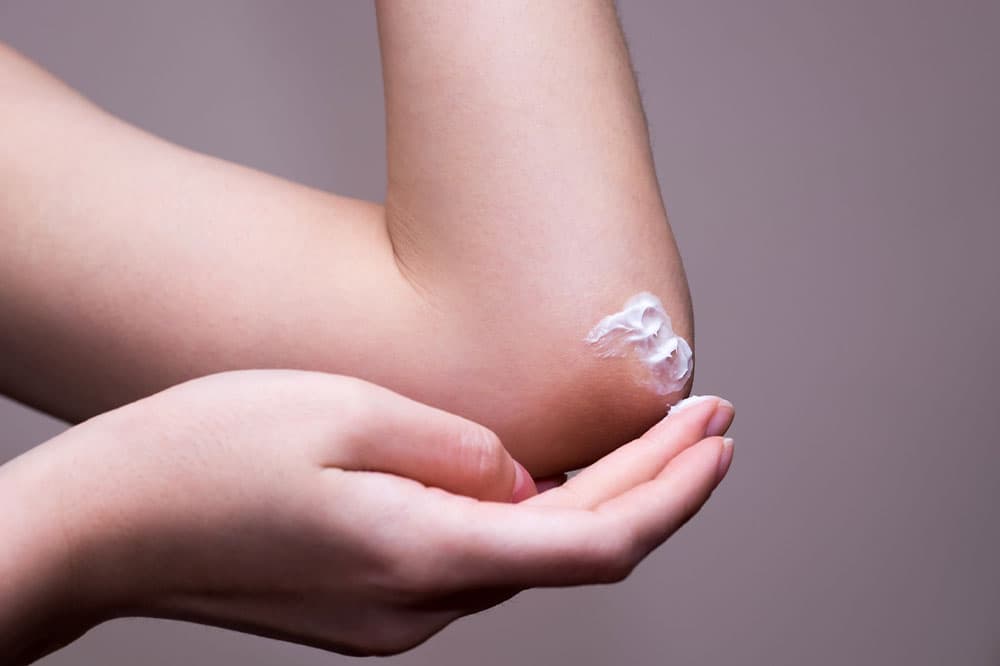
Atopic dermatitis (eczema) is a disorder that results in dry, irritable, and inflammatory skin. Though it can affect anyone, young children are more vulnerable to this disorder. The symptoms include recurring (chronic) and sporadic flare-ups, though it is not contagious. Atopic dermatitis patients risk contracting asthma and seasonal and food allergies. Regular moisturizing and skin disease condition-related treatments help alleviate itching and prevent further outbreaks. Using medicated lotions or ointments during treatment is also helpful. Symptoms Depending on an individual’s age, the severity of the condition, and other circumstances, symptoms of atopic dermatitis may vary. Those who have the condition typically experience phases of worsening symptoms, followed by times of improvement or even complete disappearance. The following sections will cover some likely variances in symptoms in more detail. General eczema symptoms Eczema symptoms are usually not severe. The most common signs and symptoms of atopic dermatitis include dry, itchy skin, skin flushing, or weeping sores. Individuals with severe eczema skin disease may need more intensive care to eliminate their problems. Infections of the skin can also result from persistent touching and scratching. The appearance of the skin area afflicted by atopic dermatitis will vary depending on the frequency of itching and infection. Itching, redness, and irritation can all worsen by rubbing and scratching the skin. What causes eczema skin disease? The underlying etiology of eczema still has to be thoroughly comprehended. The cause, according to scientists, is an overactive immune system. When allergens from the outside come in contact with the skin, the immune system reacts, causing eczema to flare up. A collection of typical flare-up triggers is provided below. Additionally, researchers have shown that the bodies of some people with eczema do not produce enough of the protein filaggrin. This protein is essential for keeping skin healthy and nourished. Certain environmental variables may also aggravate the signs of eczema. These are: Irritants : These comprise fresh fruit juices or meat, soaps, cleansers, conditioners, and disinfectants. Allergens : Pet dander, pollen, mold, dust mites—all of these can cause eczema. This condition is called allergic eczema. Virus : Microbes include pathogens, some fungi, and bacteria such as Staphylococcus aureus. Temperature : Extreme heat, cold, humidity, and sweat from physical activity can aggravate eczema. Foods : Wheat, soy, almonds, seeds, milk products, and eggs can aggravate eczema. Stress : Although stress is not the leading cause of eczema, it can exacerbate the symptoms. Hormones : A woman may experience worsening eczema symptoms when her hormonal changes fluctuate, such as during pregnancy or at particular points throughout her menstrual cycle. How can one avoid getting eczema? Keep the skin hydrated To prevent eczema, the skin has to be hydrated even if a person is not experiencing irritation. But first, let’s look at the distinction between dryness and skin that is dehydrated (lacking in water). The substances we use to tackle dry skin issues differ from those we use to address dehydrated skin. Remember that to distinguish between the two situations, dry skin lacks facial oil, whereas dehydrated skin exhibits desquamation or a tight, uncomfortable feeling. Consider adopting the following habits to avoid eczema skin disease and maintain the moisture of the skin: Drink a lot of water Apply a gentle cleanser After a shower or bath, hydrate the skin with a moisturizing product Determine and prevent potential triggers Pollen, pet dander, mildew, and poor eating habits can cause or worsen an eczema flare-up. Recognizing the eczema triggers will help a person avoid them as much as possible. The pharmacist can also be of great help. Take brief, warm showers Taking a warm bath at the end of a chilly winter day can be incredibly rejuvenating, but it is not a good idea if one is making efforts to avoid or treat eczema. It is clear why this is the case. The lipid layer, or the upper surface of the epidermis that keeps the skin moisturized, can get destroyed by bathing in too-warm water. Experts advise using the following procedures in addition to lowering water temperature: Restrict baths to 10 minutes each Remove any irritants, sediments, or allergens from the skin Choose hypoallergenic, odorless soap Use a humidifier Winter brings dry weather, and the dry season frequently causes eczema flare-ups. Low humidity dehydrates the skin, which can result in eczema. If the apartment that one lives in is too dry, consider installing a humidifier in the room and any other space where one’s family devotes a lot of time. Above all, refrain from scratching We are all aware of this. Eczema or atopic dermatitis builds up a burning desire to scratch. But pay heed—the impulse to itch must be resisted, even if it temporarily improves one’s mood. Scratching is counterproductive and exacerbates any problems one may already have, worsening the situation. In actuality, it will only serve to aggravate the itching. Itching and rashes are all caused by scratching eczema. A person scratches because one is irritated and momentarily feels better, but the rashes worsen. Scratching does the exact opposite of what it is expected to do. Choose apparel made only of cotton If a person frequently experiences eczema flare-ups, cotton is a comfortable material that allows the skin to relax and helps prevent itching. In general, and especially when jogging or participating in sports, always select light, flexible materials that do not rub against or scrape the skin. Remain calm Excessive heating reduces humidity, dehydrating the epidermis and triggering eczema flare-ups. Sweating from overheating can aggravate skin disease even more. As a result, one should refrain from setting the home’s thermostat too high throughout the winter. Instead, choose light bedding, especially cotton, and keep the bedroom chilly at night. Conclusion Atopic dermatitis or eczema is a long lasting condition that can be uncomfortable and range in intensity. Based on a person’s age, it may manifest itself in various ways. The signs could be more challenging for those with darker skin tones. Though there is no cure, eczema flare-ups can be treated and avoided with over-the-counter products, moisturizers, and lifestyle modifications.

Revamping your home entails joy as well as responsibility. Home renovations are a major expense, with kitchen remodels costing an average of $22,000, and smaller projects, such as bathrooms, costing around $10,000. These projects also require a fair amount of your time and attention, as you manage the workforce, look into budgeting, and work around technicalities. Steering clear of these common home renovation mistakes can help you save money and time. Setting an unrealistic budget Even the most strategically planned renovation projects can end up costing you more than your original budget. To avoid any unforeseen circumstances, account for 20% extra when creating a budget. This will help you incorporate any additional expenses you may encounter. Forgetting to consider daily activities When you’re looking to renovate the home you are living in, it is important to consider how your daily life will be affected during the renovation. Be sure to have a plan to work around managing your day-to-day activities before you start. Not complementing the existing style Your renovation plans are meant to modify your living space, so you do not need to plan everything based on the existing structure. However, complementing the current style can help make your home look put together and also improve its resale value in the future. Being too trendy Trends come and go, so don’t be too eager to redesign your home based on one. Your home renovation style could impact your home’s market value in the long run. So, look for sleek, classic designs, or consult an architect for the best results. Buying furniture and home décor pieces in advance Don’t be in a rush to buy appliances, furniture, and other products for your renovated home. Wait until the plans are finalized and you have a clear idea of measurements such as carpet area, counter space, and more. If you’re planning this well in advance, consider scheduling your carpeting or flooring in November and December, since you can snag several product sales and negotiate better prices with contractors. Trying to rush the job If you’re inspired by the timelines on television renovation shows, you may want to alter your expectations. Do not try to rush your renovation plan within a week or less, as this will not give you adequate time to prepare and work according to plan, or address any unforeseen mishaps. It may also compromise the quality of work. Major renovation projects may take anywhere between 3 to 6 months to complete. Not checking references When hiring companies or contractors to carry out your home renovation project, be sure to do a background check. Speaking to their former clients can also help you gauge what to expect from them. Opting for the lowest bid There are several ways of finding a contractor for your project. One common way people hire contractors is by setting up a bidding system. While choosing the cheapest bid may feel enticing, it is important to consider the quality of their craftsmanship before making your final decision. Miscommunicating It is important to keep all lines of communication open with all the parties involved in the project. Establish the best way to communicate with your contractor, whether it is via text, call, or in person. This will help ensure a hassle-free experience. Thinking you know it best Everyone has an inspiration they wish to work towards. While that is perfectly fine, it is also important to be cognizant of the realistic limitations certain designs may pose. To work around these, hire an interior designer or an architect to help you ensure a good-quality design that is made from elements that work well together. Neglecting the plan Before starting your renovation project, you should have a comprehensive written plan that includes every single detail, including the products to be used and your choice of finish. Do not work with any contractor who does not share a plan with you. While you may still encounter unexpected problems that require some adjustments, a large part of your project should proceed based on your originally documented plans. Focusing solely on appearances Esthetics are often the primary focus during a renovation project. But it is also important to address structural and safety issues when revamping your home. This includes ensuring a strong foundation and sub-flooring and upgrading the electrical system. Taking these into account during large renovation projects can reduce the risk of having to damage parts of your home to fix any problems later. Ignoring lighting Lighting is instrumental in determining the overall feel of your home. Speak to a lighting specialist to create a lighting plan. This plan will guide the kind of lights you invest in (such as general, accent lighting, or smart lighting), and where they will be placed for optimally brightening your home. Buying cheap materials Don’t try to economize on building materials because it will only make you spend more money on upkeep. Instead, invest in durable and high-quality materials for your home as these will last long. Making the doorways and halls too small When finalizing your plans, it is also important to check whether the doorways and halls are wide enough to allow the seamless movement of your furniture and appliances. Ignoring window quality Another aspect of your home to invest in are the windows. Good-quality windows with the right thermal protection can make your home perfect for any weather and keep your utility bills low in the future. Forgetting about landscaping The first thing people see when they visit your home is the yard. Whether you are expecting guests or potential buyers, a neat, tidy, and landscaped yard can go a long way in making a positive impression. So, make sure to accord a small portion of your budget to clearing up and beautifying your yard as well. Keep these mistakes in mind before embarking on your next project for a fun, relaxed, and hassle-free home renovation experience.

Eczema is a condition that affects the skin and causes redness, itching, and dryness. It can be very uncomfortable and can affect any body part. It can also cause psychological distress and can be challenging to manage. Thankfully, several guidelines can be followed to help keep skin healthy and avoid the symptoms of eczema. This article will discuss the causes of eczema, the signs and treatments, and a few guidelines for avoiding eczema symptoms and treatment. Introduction to eczema Eczema is a skin issue often characterized by redness, itching, flaking, and dryness. The situation is often accompanied by swelling, crusting, and even blistering of the skin. It can affect any body part, including the face, hands, arms, and legs. Eczema is not a contagious condition, but it can be uncomfortable and affect the quality of life. People with a family history of eczema are more likely to develop the condition. Other d that may increase the risk of eczema include stress, allergies, and certain skin irritants. What are the main causes of eczema? The exact cause of eczema is a combination of genetic and environmental factors. People with a family history of eczema are more likely to develop the condition. Other well-known factors that may increase the risk of eczema include stress, allergies, and certain skin irritants. It is also believed that certain factors may trigger the onset of eczema. These triggers include certain foods, environmental allergens, and even certain fabrics. Identifying and avoiding the triggers is essential, as they can worsen the condition. Symptoms and treatment options The symptoms of eczema may vary from person to person, but the most common symptoms include redness, itching, flaking, and skin dryness. In severe cases, the skin may become inflamed, swollen, and even blistered. The skin may also become thickened, cracked, and scaly. The treatment of eczema varies depending on the severity of the condition. Mild cases may be treated with over-the-counter creams and ointments. More severe cases may require topical prescription medications or oral steroids. In some cases, phototherapy may be recommended. Guidelines for healthy skin and avoiding eczema Symptoms and treatment plans for eczema Eczema can be a complex condition to manage, but several guidelines can be followed to help keep skin healthy and avoid the symptoms of eczema. Here are seven guidelines for healthy skin and avoiding eczema symptoms and treatment. Use a gentle cleanser It is vital to use a gentle cleanser when washing the skin. Many cleaners are too harsh and can strip the skin of natural oils, leading to dryness and irritation. Identify cleansers that are specifically formulated for sensitive skin and use them. Moisturize Get a moisturizer that is specifically formulated for sensitive skin. Moisturizing the skin is essential for keeping it healthy and preventing eczema symptoms. Choosing a moisturizer free of fragrances, dyes, and other irritants is also necessary. People who use make-up might face challenges such as eczema flare-ups when removing their make-up; in such cases, tinted moisturizers are a great option worth trying. Tinted moisturizers can cover up the rashes while healing them in the long run. Wear loose-fitted clothes Clothing that is too tight can cause skin friction and lead to irritation. It is important to wear loose-fitting clothing made of breathable fabrics such as cotton and linen. Avoid wearing synthetic materials such as polyester and nylon. Avoid certain products Certain products can irritate and worsen eczema symptoms. These include fragranced products, dyes, and products that contain alcohol. Avoiding these products and looking for products specifically formulated for sensitive skin is essential. Avoid hot water and long showers Hot water and long showers can dry the skin and worsen eczema symptoms. Limiting hot water use and showers to at most 10 minutes is essential. After showering, it is vital to apply a moisturizer to help lock in moisture. Avoid irritants and allergens Certain irritants and allergens can trigger an eczema flare-up. Common triggers include certain foods, pet dander, dust mites, and specific fabrics. Therefore, it is crucial to know triggers and avoid them. Wear sunscreen The sun’s UV rays can irritate and worsen eczema symptoms. It is essential to wear sunscreen containing an SPF of 30 or higher and repeat application over the skin every two hours outdoors. Choosing a sunscreen free of fragrances and irritating chemicals is also essential. A tinted sunscreen may be beneficial as it protects the skin from UV rays and blue light, unlike un-tinted sunscreen. Blue light emitted from computer and mobile phone screens can also cause eczema and dry the skin on your face. Identifying and choosing tinted sunscreens that contain the correct minerals is crucial. The tinted sunscreens help reduce premature aging and wrinkling and keep your face glowing. Teen eczema treatment options Teenagers who suffer from eczema may find it challenging to manage their condition. Thankfully, several treatment options are available for teens who suffer from eczema. These include topical medications, phototherapy, and even lifestyle changes. Teens need to talk to their doctor about the best treatment options. The doctor can help them develop an individualized treatment plan that can help manage their condition and keep their skin healthy. IUD acne treatment options Women who use Intrauterine devices for birth control may face issues such as IUD acne flare-ups. However, getting a doctor’s opinion is crucial to see if the IUD is responsible for the acne flare-up. There are a few ways to treat the symptoms yourself: a) Cleansing your face regularly, about thrice a day, with non-chemical cleansers is a must. b) Eating a healthy organic meal consisting of vegetables and fruits while avoiding high-sugar foods is necessary c) Preventing and reducing stress is required at all costs. Therefore, it is vital to try meditating and other relaxing methods. Alternatives to traditional eczema treatment plans In addition to traditional medical treatments, several alternative therapies can help manage the symptoms of eczema. These include dietary changes, herbal remedies, and lifestyle changes. For instance, dietary changes can help to reduce inflammation and limit flare-ups. Herbal remedies can help to relieve itching and dryness. And lifestyle changes can help to reduce stress and manage the condition. Moreover, talking to a healthcare professional before trying alternative treatments is essential to ensure the treatments are safe and effective.

Showering may seem like a simple act, but there are some common showering mistakes that one could make that may harm skin health. This easy 10-minute ritual is important for maintaining daily hygiene and ensuring that one does it correctly. This practice is crucial for good skin and hair health. Here are some things one needs to be careful of and other tips that may help avoid the repercussions of these common mistakes. Using excessive soap Yes, it is a cleaning agent, but it can also quickly dry out the skin when used in excess. Many soaps are available in the market, but try looking for a soap with a moisturizing ingredient or something called stearic acid. This is an ingredient that is used to harden the soap, and it helps in creating a thick lather that feels velvety to the skin. Thanks to its occlusive properties, using this ingredient in soap will keep the skin hydrated and prevent moisture loss from the surface. Frequent showers Taking too many unnecessary showers in a day may cause the skin’s natural oils to dry, leaving it dry and flaky. It is important to stay clean and hygienic to avoid any infections. However, bathing more than three times a day is a waste of natural skin oils and can lead to infection too. If your skin gets too dry and cracked, bad bacteria can easily enter the surface and cause skin-related issues. You do not have to constantly stay in a sterile environment as it will only lower your immunity unless you are sick and are advised to stay in a specifically clinically sterile environment. Not washing the towels for many days Yes, towels are used to clean your clean body after a shower, but what often goes unnoticed is that the towels are not left to dry properly enough. They need sunlight and a dry environment to avoid the infestation of bacteria that could develop in the damp environment. A dirty, damp towel can cause skin issues like warts, athlete’s foot, jock itch, and even toenail fungus. It is advised to change your towel once a week at least and dry it properly after every use. If you stay in a humid region, wash the towels more often and keep dry spare towels. Not cleaning the loofah regularly These all seem like self-cleaning products as they get scrubbed with soap every time you shower, so it may seem like they do not need a wash or cleaning. But this is a common myth that needs to be addressed. A loofah should be cleaned every week in a bleach solution to avoid any development of bacteria in the damp loofah. You can use a diluted bleach solution and let the loofah soak in it for five minutes before rinsing it with water. Drying it out under the sun is advised so that the bacteria does not dwell on its moist body. Also, you should ideally replace a loofah every month, whether it is a cloth material or other natural material. A plastic loofah can be replaced every two months to avoid possible infections. Excessive hot water showers They are the most comforting, for sure, especially during winter. But what is most often missed during this hot shower ritual is that this water temperature does more harm than good for the skin. It can remove the natural oil from the skin’s surface and leave it dry and itchy. This is especially true for anyone already dealing with skin conditions like psoriasis or eczema. Therefore, to prevent any other skin-related problems, the temperature of the water needs to be controlled. It is recommended to take a shower with lukewarm water for not more than 10 minutes. This can prevent unnecessary damage to the skin. Washing hair too often If you are washing your hair daily, this is especially for you. Consider skipping this step from your daily shower routine. Unless you have an extremely oily scalp and are advised by the dermatologist to wash daily, you are only stripping the scalp of its natural oils, which can lead to multiple hair issues. If you are going to the gym, it is advised that you keep a proper hair wash routine so that you don’t feel inclined to wash your hair daily. Wash them only on the days that you are doing an intensive workout, which will make you sweat a lot. Also, be mindful of the products you are using. Ensure that the ingredients are safe to use and do not do more harm than good when cleaning the scalp. Not having a grab bar installed This may not seem like an important addition when you are young, but it should be added to all the bathrooms. Shower safety is important, so make sure that you install a grab bar in the shower and also anti-slip mats to avoid any falls. This is especially important for anyone who is staying alone and does not have access to help easily. If you have seniors living with you, this is an essential addition to the bathroom. Not moisturizing the skin right after a shower An important self-care step post-showering is applying moisturizer on your skin to help hydrate it. A lot of people wait till they are completely dry to put on the moisturizer, and this is a mistake you can avoid. Get your moisturizer in the bathroom and put it on damp skin. This helps the product get absorbed better and leaves a hydrating effect for long hours. This is especially advised for those dealing with skin issues like eczema and psoriasis and who need help with keeping skin itch-free. Make sure you consult the dermatologist for effective skin products for the best results.

Stocking household essentials is a routine part of most homeowners’ weekly plans. While these items are indispensable to an optimally functioning household, not understanding their potentially harmful effects can cause several health hazards, including pulmonary issues. While buying household products, it is important to understand each product’s constituents and safe consumption practices to prevent them from causing health problems. This article lists household products that may be potentially harmful to one’s lungs if not used right: Household products potentially harmful to the lungs Hand sanitizer Hand sanitizers are highly effective in ensuring clean hands and destroying bacteria and germs, which may cause infections if ingested. However, sanitizers comprise several chemicals, including benzalkonium and methanol, and inhaling these chemicals can cause a host of health hazards, such as lightheadedness, nausea, vomiting, loss of smell, chemical burns in the nasal cavity, and worsening of existing respiratory issues. Bleach spray Bleach spray serves a wide range of household functions, from eliminating mold and mildew from surfaces and fabrics to disinfecting surfaces and removing stains. However, bleach is a harmful chemical that can cause several health problems if not used properly. It is particularly known for increasing susceptibility to chronic obstructive pulmonary disease (COPD) caused by blockage of airflow to the lungs. Studies have shown that bleach spray can increase one’s risk of COPD by 32%. Misuse of the product can also lead to lung and breathing conditions like asthma and damage one’s respiratory tract. Toilet paper This indispensable household product contains several toxic chemicals, such as furans and dioxin, which can trigger or worsen pulmonary conditions. For example, dioxin is proven to cause pulmonary deficiencies, including lung and breathing problems, and other health issues like skin lesions and headaches. Today, many individuals are swapping toilet paper with adult wet wipes, 100% bamboo paper, bidets, and other safer alternatives. Air fresheners Although highly effective in eliminating unpleasant odors and releasing fragrances in one’s room, air fresheners can cause severe toxicity and harm the body in several ways. Studies have shown that the brief inhalation of air freshener sprays can cause lethal breathing problems like coughing, difficulty breathing and choking. Its constituents, like ethanol and glycol ethers, can irritate the nasal passage when inhaled. Moreover, propellants like hydrocarbons can cause abnormal palpitation rates. Detergents and dishwashing liquids Although dishwashing liquids and soap products are necessary household supplies, they can cause throat swelling and breathing difficulties if the fumes they release are inhaled. On the bright side, several hypoallergenic detergent solutions are available to ensure consumer safety. It is best to read the list of chemicals added to dishwasher liquids and detergents before buying them. Disinfecting wipes Most disinfecting wipes contain bleach and other agents to destroy bacteria and germs. Moreover, they include fragrances to eliminate the smell of chemicals. Research has shown that exposure to these chemicals over time can cause lung diseases and is particularly unsafe for persons with asthma, allergies, and other breathing and lung conditions. Paper towels Paper towels contain chlorine and formaldehyde, giving rise to toxins like furans and dioxins, which can cause several breathing and lung disorders. It is best to replace paper towels with reusable cloth towels to ensure safety while not compromising hygiene. Hand soaps Hand soaps contain a chemical known as sodium laureth sulfate, which is commonly used as an emulsifier in these products. While sodium laureth sulfate facilitates sudsing and foaming in hand soaps, it can cause several health hazards, including irritation of the lungs, eyes, and skin. Moreover, many popular hand soaps contain fragrances, which can trigger or aggravate breathing problems. It is best to avoid hand soaps with fragrances, opting for chemical-free alternatives made of natural ingredients. Plastic trash bags Plastic trash bags, which are essential to ensure a clean and tidy environment, typically release harmful chemicals, such as phthalates and dioxins, triggering and contributing to several respiratory conditions. Further, these products contain lead and cadmium in high concentrations. Lead exposure is linked to lung disorders like COPD. With increasing awareness of the harmful effects of such toxins, safe and non-toxic trash bags have been introduced in the market. Tips for buying safe products Choose products free of harmful chemicals Some common harmful chemicals in household products include lead, cadmium, dioxin, and furans, which can cause serious respiratory conditions. Hence, it is important to check out the constituents of household products and opt for the ones that contain minimal or no chemicals. Avoid products with fragrances Products containing fragrances may smell inviting, but they can lead to respiratory problems and harm the lungs. It helps to purchase pure products without fragrances while buying soaps, detergents, and dishwashing solutions. Look for products free of VOCs Volatile organic compounds, or VOCs, are included in several household products, including paints, paint strippers, hobby supplies, stored fuels, and aerosol sprays. It has been found that VOCs tend to irritate the throat and can cause difficulty breathing. It is important to avoid products containing VOCs, opting for organic options without such compounds. Look for healthier alternatives Sometimes, certain regularly used household products may be safer than others. For example, microfiber cloths and fabric hand towels are safer for the environment than paper towels. Bidets are safer for one’s health and the environment compared to toilet paper. Thus, it is good to look for alternatives to reduce the harmful effects of household products. Check out products by sustainable brands Sustainable products typically contain ingredients that are healthier and safer compared to regular products. It helps to research sustainable products and brands and the constituents of such products. These products can help ensure a better world around us and prevent lung conditions. When cleaning the house, consider using natural and affordable cleaning products like baking soda, vinegar, and lemon juice. Swap out the usual cleaning supplies with these natural alternatives to decrease the amount of toxins in the home.

To support healthy aging, it is important to prioritize nutrition and lifestyle. Eating well-balanced meals can help one stay energized, get all the nutrients required for performing daily activities, and reduce the risk of chronic health conditions such as heart disease and diabetes. On the other hand, malnutrition can weaken the muscles and bones and leave one vulnerable to diseases. To avoid this, here are some healthy foods seniors must eat regularly. Fatty fish Fatty fish such as salmon, tuna, and mackerel are a great source of proteins and omega-3 fatty acids, which can help protect the body from cardiovascular conditions. Seniors must try to add fatty fish to their meals at least two times a week to improve their health. Those who do not enjoy the flavor of fish may also consider omega-3 fish oil supplements. Skinless poultry Skinless poultry, also known as lean meats, is a great source of protein for seniors. Cuts of chicken and turkey can be prepared with herbs and spices as low-sodium meals, especially for seniors with high blood pressure. Eggs Egg whites are also a great source of protein and heart-healthy nutrients for elders. However, the yolks are rich in cholesterol, so, preparing eggs carefully and eating them in moderation can help seniors boost their health. Dairy products Dairy products are a great source of nutrients, especially calcium and vitamin D. Yogurt is an important probiotic that can help protect the gut biome. However, opt for reduced-fat or skimmed milk options to reduce the consumption of unhealthy fats. Also, avoid buying flavored dairy products as these often contain added sugars and preservatives. Walnuts Walnuts are another excellent source of omega-3 fatty acids, especially for vegans and vegetarians. They are a rich source of fiber and help protect heart health. Almonds Rich in unsaturated fats, almonds can help lower bad cholesterol (LDL) levels, making them a healthy snack or additive to meals. However, be sure to avoid almonds that have been covered in heavy salt or sugar as they may raise cholesterol levels. Cashews Having unsalted or low-sodium cashews in moderation can help reduce the risk of heart disease, lower blood pressure, and even improve cholesterol levels for some senior citizens with type-2 diabetes. Papaya Papayas are loaded with vitamin C; a single papaya contains over 200 percent of a person’s daily vitamin C intake. An important immune-boosting nutrient, vitamin C can also help reduce oxidative damage to the cells in the body and it has also been known to reduce wrinkles and prevent skin damage. Apples Apples are a rich source of pectin and antioxidants, which can help reduce cholesterol levels and protect seniors against asthma and chronic obstructive pulmonary disorder (COPD). Grapefruit A great source of vitamin C and nutrients like fiber, potassium, lycopene, and choline, grapefruit can help boost the immune system and promote heart health. It also has a high water content, adding to one’s fluid intake. However, seniors undergoing treatment for insomnia, anxiety, and high blood pressure must refrain from eating grapefruit as its furocoumarin content may exacerbate the effects of therapies. Berries Strawberries, blueberries, raspberries, and cranberries are not only delicious fruits but also rich sources of vitamin C, fiber, and antioxidants, which can help boost immunity and improve health among seniors. Leafy greens Spinach, salad greens, arugula, dandelion greens, lettuce, kale, Brussels sprouts, and other leafy greens are a great source of vitamins, minerals, and fiber that can help boost immunity, aid digestion, control blood pressure, and protect one from cardiovascular disease as well. Seniors should aim to consume around two cups of green leafy vegetables per day. Carrots Delicious and colorful, carrots are a great way to brighten up the food plate in a healthy manner. They are loaded with carotenoids, which play an important role in protecting eyesight. They also help maintain the immune system, support cholesterol balance, and improve heart and gut health. Carrots may even help reduce the risk of cancer. Whole grains Whole grains are rich in fiber, which is important to aid the digestion process and protect the body from several gastrointestinal diseases. Popularly available whole grains include wheat germ, whole meal, quinoa, and brown rice. Green tea It is packed with vitamins and minerals that can help support health and boost immunity. According to certain sources, green tea has been associated with reducing the LDL cholesterol and triglyceride levels in the body, reducing the risk of cognitive decline and diabetes, boosting mood, soothing stress, and even strengthening the bones. Cinnamon Antioxidants and several other beneficial compounds make cinnamon an interesting, flavorful, and healthy addition to meals. It has anti-inflammatory properties that can help boost one’s immune system and repair tissue damage. It may also help reduce LDL and triglyceride levels and according to some studies, cinnamon may also help reduce insulin resistance to lower blood sugar levels. Moreover, it is known to protect seniors against bacterial, fungal, and viral infections, as well as cancer. Prunes Prunes or dried plums have several health benefits, such as: A great source of fiber, and can help aid digestion and prevent constipation High in potassium, an important mineral in many bodily functions such as digestion, heart rhythm, nerve impulses, muscle contractions, and blood pressure A rich source of vitamins such as vitamin K, riboflavin, vitamin B6, and niacin A good source of iron, which can help prevent anemia Rich in boron content, which can help build strong bones in seniors Loaded with antioxidants such as polyphenols, which support digestion, heart health, nervous system, and blood vessels However, prune juice is not advisable for seniors with kidney disease due to its high potassium content. Additionally, the intake of prunes and prune juice must be in limited quantities, as its sugar content may also lead to gas or bloating.
A dry eye is a condition wherein the tear glands in the eyes do not produce enough tears to keep the eyes wet and comfortable. It is one of the most common eye conditions and can be extremely uncomfortable, with symptoms like stinging, burning, and red eyes. This article lists 9 home remedies to help manage dry eyes and keep them moist and wet. However, it is always best to consult a doctor before trying these home remedies. Washing lashes Inflammation is another symptom that needs to be managed for dry eyes, and another trick to know is to wash those crusty eyelashes. Keeping the surrounding skin and hair near the eyes clean ensures the inflammation does not worsen. One can use mild and gentle soap to wash the eyes lids and even the base of the eyelashes. Eye massage Gently massaging the areas around the eyes can provide numerous benefits. This simple act can help relieve tension, increase blood circulation, and promote muscle relaxation. Even though not touching the eye, stimulating the surrounding areas can help improve eye sensation and boost tear production. It’s important to ensure that the eye massage is always gentle and not painful. Unless one has experience with massage or acupuncture, it’s best to seek advice from a professional before trying it out. Using warm compresses The eyes need a mix of three things to stay moist, and these include water, oil, and mucus. These are produced by the oil glands along the edge of the eyelids. However, there are times when these oil glands can get clogged due to flaky eyelids and inflammation in the eye due to dry eyes, so warm compresses are a remedy that helps with this. Here’s what one can do – wet a clean washcloth with some warm water, wring out the excess water, and then place this warm cloth on the eyelids. Gently press on the eyelids while it is placed there for a minute or so. This can help unclog the oil glands. The heat from the warm cloth is enough to loosen up the clogged oils and provide instant relief. But one may need to continue this remedy on a daily basis to help the eyes feel comfortable. Eating fish rich in omega-3 According to research, eating fish high in omega-3 fatty acids can help keep the skin hydrated. Not only that, but it also helps the oil-making glands in the body with healthy fats to keep functioning properly. This is essential for dry eyes as the oil glands often get clogged or do not produce enough moisture. Fish like salmon, tuna, trout, sardines, and mackerel all have good omega-3 fatty acids that help keep the oil glands healthy. Apart from fish, other food sources rich in omega-3s include canola oil, soybean oil, walnuts, and flaxseeds. Drinking enough water Staying hydrated is another tip to help one deal with dry eye symptoms. Drinking enough water throughout the day, not just when thirsty, ensures that one’s whole body is hydrated, including the eyes, and the irritation may be a little less. Also, focus on including hydrating foods in one’s meals, like cucumbers, watermelons, etc. Some days one can also hydrate by incorporating a lot of soups in one’s meals and juices made out of healthy and hydrating vegetables. Using humidifier Keeping a humidifier in the room or all the rooms in the house is an easy trick to ensure the air has some moisture and does not irritate dry eyes. If one does not have a humidifier, keeping a bucket or a pan of water near the radiator or the heater also has the same effect. One can also use an air cleaner as it can help clean the dust particles inside the house, and there will be fewer irritants in the environment to flare up the dry eyes symptoms. Blinking often Blinking is a reflex that comes naturally to most people, but for those who struggle with dry eyes, blinking more often can help. People who use screens regularly for their work should also think about doing daily eye exercises to keep their eyes healthy. To promote good eye health, individuals can follow the 20/20 rule, which suggests taking a break from the screen every 20 minutes and resting their eyes by closing them for 20 seconds. This may seem like a small step, but it adds a lot of value and relaxation when practiced regularly. It ensures that the eyes are not overwhelmed by looking at the screen constantly, and we often don’t take breaks for hours. Also, positioning the screen slightly below eye level can prevent the eyes from opening too wide, which can cause dryness and discomfort due to excessive moisture evaporation. Using wraparound sunglasses When leaving the house, it’s common to wear sunglasses. However, investing in a pair of wraparound sunglasses can be even more beneficial. These sunglasses not only protect one’s eyes from bright light but also shield them from harmful air pollutants that can cause dryness. Additionally, they can be used indoors while using appliances like hair dryers or sitting in front of air conditioners or fans, which can also be irritating to the eyes. Overall, wraparound sunglasses are a worthwhile investment for anyone who wants to protect their eyes and maintain their comfort in any environment. Sleeping well Getting enough sleep is crucial for preventing dry eye symptoms from getting worse. Since dry eye is an immune disorder, sleep plays a vital role in maintaining overall health. It’s important to be well-rested to ensure optimal bodily function. There are also many eye drop prescriptions available that can be bought easily to help with dry eyes. These drops are available for purchase, but it’s important to consult a doctor before using them. They can provide information on the differences between various brands and recommend which one would work best for an individual. Additionally, some ointments can ease dry eye irritation and inflammation, but it’s important to get a health professional’s perspective to choose the right product.

When we sense an impending danger, our body creates a survival mechanism by sending adrenaline to our blood, enabling us to stay and fight or leave the scene. Sometimes, this happens when one perceives some danger to themselves, even though there is none. If such alerts happen frequently, our body becomes hyperalert and sends signals in the form of physical changes. These changes are called anxiety disorders and are a type of mental illness. What is anxiety? An anxious person typically tends to exaggerate or, in some cases, imagine a threat. They could have thoughts like: I am in a dangerous situation right now I cannot cope with it The worst is going to happen to me Along with such thoughts, they may also see some physical changes, including: Tension Perspiration Sudden intense blushing Increase in heart rate Tremble or shakiness in legs Wringing of hands Lump in the throat Dizziness Nausea Irritable bowel syndrome or a sudden urge to pass stools Once the physical symptoms begin, they may feel they cannot survive and want to escape. If they feel anxiety, they are likely to isolate themselves from others by avoiding people and specific places, or they may go there only with a companion. The cycle of thoughts and symptoms continues viciously and causes impediments in the ability to participate in day-to-day domestic, professional, or societal activities. To prevent this, treatment and management of anxiety are necessary. Importance of managing anxiety Anxiety can happen to anyone, irrespective of age and gender. Besides interfering with a person’s ability to lead an everyday life, anxiety can be distressing and debilitating. It can lead to reduced workplace productivity or poor academic performance. It can affect a person’s ability to engage and maintain relationships within a family and society. Structure treatment and self-care coping strategies can help people with anxiety recover and lead healthy life. Ten best management options for anxiety Self-care works well to manage anxiety, provided one reads and learns about these techniques. However, it would be better to consult a therapist once before trying to manage it yourselves. Here are some of the ten best management options for anxiety. Education Knowing what anxiety is and its physical and emotional impact is the first step in managing it. Knowing the typical symptoms of anxiety can help identify it and help one control them. One can also become a support group member that works with people with anxiety disorders. Trigger identification Knowing what causes anxiety and its associated symptoms is another important step in personalizing the treatment. By paying close attention, one can determine if a person, group of persons, a past event, or location causes anxiety. One can also identify if there are any patterns in these triggers and make a journal of such information so that one can work on it or work with a mental health professional. Confrontation of unhelpful thoughts When feeling anxious, one may lose control of their thoughts. Recognizing if their thoughts are unrealistic and if they assume everyone is talking about them is noticed. One may also exaggerate and blow things out of proportion. For example, one could worry about the impact of the perceived bad things and blame themselves for everything. Mindfulness Mindfulness is a technique that helps one stay with their complex thoughts without suppressing or encouraging them. It teaches them to respond to their thoughts instead of reacting impulsively and instinctively. Mindful meditation reduces stress and helps focus on the situation without imagining consequences. Assertion An anxious person may refrain from saying what they think as they fear a conflict. They can stop communicating with friends, family, or caregivers. It is essential to improve their ability to convey their thoughts honestly. It gives them self-confidence and makes them ask for help from their network. Relaxation techniques Along with mindfulness, you can also participate in relaxation techniques that help you release the tension in your muscles and body. It can help in reducing physical symptoms like hyperventilation and dizziness. Some of the relaxation techniques that are effective in controlling your breathing patterns are: Abdominal breathing instead of breathing through the chest Progressive muscle reaction Isometric relaxation exercises You can practice these techniques every day for fifteen minutes and in the instances that cause anxiety. Graded exposure Graded exposure is an approach that helps you fight your fears by staying in a situation that makes you anxious until your fears subside. You expose yourself to such situations incrementally and in measured doses and come out when your anxiety has reduced significantly. You can use the benefits of mindfulness and relaxation techniques to help you overcome anxiety. Over time you can increase the duration of exposure and continue this routine until you can face your anxieties without any physical symptoms. Physical activity Physical activity does not cure anxiety but is very helpful in managing symptoms like increased heart rate, stiff muscles, and shallow breathing. Engage in activities like jogging, walking, biking, aerobics, or Zumba for thirty minutes at least five days a week. Start with ten minutes a day; you can increase the duration as you get more comfortable. It can help you destress, stabilize your heart rate and regularize your breathing. Lifestyle changes Lifestyle changes are a crucial self-care management option for anxiety. Increase the consumption of magnesium, Vitamin B, and calcium, as these deficiencies can lead to stress and anxiety. Increase the consumption of rainbow-colored vegetables and fruits, whole grains, and low-fat dairy. Avoid stimulants like caffeine and liquor, as they can interfere with your sleep patterns and make you tired the next day. Professional care Apart from the self-care techniques, a person who shows signs of anxiety must get professional care from a certified mental health professional. They typically combine prescription therapies, counseling, and cognitive and behavioral therapies to treat anxiety. The goal of treatment is to improve their patient’s physical symptoms, help them cope with unpleasant thoughts, and gradually build self-confidence.
