Anxiety is an uncomfortable feeling people experience when they are nervous about meeting someone or doing something, and at times, without apparent reason. However, anxiety disorder is a condition that affects one physically and mentally. The disorder’s visible symptoms are increased heart rate, sweating, shortness of breath, trembling, and muscle tension. Excessive worrying, isolation, below-par performance, and inability to relax are other consequences. However, the condition can be managed through natural remedies and lifestyle changes. Dealing with anxiety One can follow many simple strategies to reduce anxiety and its impact. First, one must understand the triggers and the symptoms or changes when dealing with the disorder. One should also learn to identify unwanted thoughts of failure and danger. One should communicate openly with their doctor or a mental health professional, who may recommend prescription options and behavioral and cognitive therapies to deal with the disorder. They continue the treatment until they see improvement in physical symptoms and one’s ability to overcome intrusive thoughts and associated behavior. Doctors may also recommend a few natural methods to help manage anxiety and its consequences, minimizing the need for prescription options. Prescriptions have long-term side effects like dizziness, fatigue, dry mouth, headaches, nausea, erectile dysfunction, and other problems. Natural methods of management Natural approaches require significant commitment and dedication from the patient. One can start by practicing these methods for a few minutes and incrementally increase the duration and intensity of these remedies. Some of the natural methods to manage anxiety are: Relaxation Learning to relax is a key step in managing the disorder. As one relaxes, their mind and body can become calmer, their muscles relax, and they stop shaking and trembling. People with the disorder can try various relaxation activities and techniques and choose the ones they enjoy the most. This could include the following options: Resuming a hobby that one used to enjoy, like reading, gardening, or painting Listening to music Meeting friends Joining a club or group that likes planning activities one enjoys Volunteering Walking Hiking Such activities help reduce stress, keep one active, and distract them from imaginary worries and, most importantly, unhelpful thoughts. Breathing exercises Mental health professionals place a lot of importance on breathing techniques to manage the disorder. Controlled breathing can help one overcome stress and dizziness, a symptom of anxiety. One should learn the 5-5-5 breathing method, a technique for controlled breathing. Here are the steps: One should sit in a comfortable position on a mat or a chair The next step is closing the eyes while relaxing the shoulders and the body Breathing in for 5 seconds Holding one’s breath for 5 seconds Breathing out for 5 seconds Continuing the exercise for 10 to 15 minutes Paying attention to one’s breath and observing thoughts slowing down This technique can help one keep unwanted thoughts at bay. One can also start with slightly faster deep breathing and work their way up to the 5-5-5 technique. Many other meditation and relaxation methods, like visualization, mindfulness, and transcendental meditation, can help one control their thoughts. One should learn these techniques from a certified trainer and opt for the one they find most suitable. Lifestyle changes Managing this mental health disorder requires continuous effort and discipline. Being physically active can offer multiple benefits for managing anxiety and overall health. Some of the key lifestyle changes one must introduce to manage the disorder are: Getting adequate rest can help one avoid fatigue and exhaustion, which can trigger and worsen the symptoms. Certain substances can interfere with sleep, so they should be avoided. So, developing healthy routines and sticking to a strict sleep schedule is a great first step in managing mental health issues like anxiety. One should reduce their dependence on stimulants like caffeine, as too much of it can change how the brain cells work and worsen the symptoms of the disorder. Distraction When unwanted thoughts begin to trigger fear and anxiety, one can learn some tricks that can help them divert their attention. For instance, when one recognizes a thought like “something bad is going to happen”, they can start counting in multiples of 5 or 10 and focus on just the numbers. Instead of indulging in unhelpful thoughts, one can find distractions by looking at their surroundings. If one is preparing to meet someone and are experiencing anxious thoughts in anticipation, they should focus on thoughts unrelated to the meeting. They can think about other tasks or conversations that don’t make them anxious. The more one finds ways to distract their unhelpful and worry-inducing thoughts, the more they can reduce stress. Reducing avoidance The triggers of anxiety can be certain events, people, and personal or professional situations. So, a person with the disorder might want to avoid these triggers. If they have been part of a train accident, the sounds of a train or the prospect of traveling on a train can make them anxious. If they are not comfortable speaking in front of a gathering, they may not participate in presentations or meetings even if they are skilled and have a lot to share. They may avoid presenting their ideas for fear of negative remarks or reviews about their work. Here, one should list things and activities that trigger their anxiety and rank them according to difficulty. Instead of avoidance, one should consider experiencing each activity, starting with the one that seems the least challenging. Once one overcomes the anxiety for the least difficult task, they should move to the next activity. This should continue until they reach the top of the list and engage in the activity that gives them the most stress. If delivering presentations is the least worry-inducing activity on the list, one can start by presenting to a group of two or three. They should keep repeating the activity until they are no longer as nervous. Then, they can gradually increase the duration of the presentations and audience members until they are comfortable speaking for 30 minutes in front of a large group.
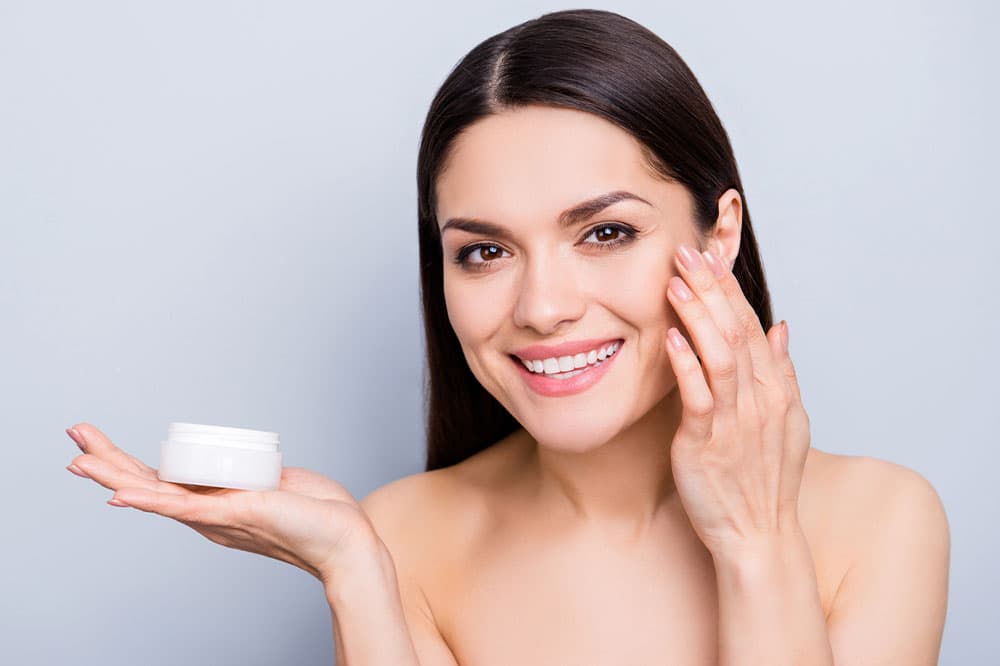
Are you struggling with eczema flare-ups? Do the dry, itchy patches on your skin keep you from living an active lifestyle? Skin diseases and conditions like eczema can be uncomfortable and often embarrassing, but there are ways to manage the symptoms. This article will share some simple strategies for minimizing discomfort and living life to its fullest despite having eczema. Read on to learn more about managing your daily skincare routine and other helpful tips. Common symptoms of eczema Tiny bumps on the skin Dry and scaly skin Itchy rashes Dark under eyes Redness and swollen skin Lifestyle changes that can alleviate eczema symptoms While nothing can eliminate the symptoms of skin diseases like atopic dermatitis (AD) or eczema, they can be alleviated to a certain extent. Dermatologists propose the following simple changes to improve the situation: Take lukewarm showers with mild soaps Short, rapid showers with unscented soaps and moisturizing twice daily immediately after the shower might be enough for mild cases of eczema. Gentle soaps are recommended while taking a bath or washing hands in the kitchen. Use products without alcohol, retinoids, or alpha-hydroxy acids (AHA), as they prevent skin dehydration. Additionally, avoid artificial fragrances because they include chemicals that can irritate the skin. Consider taking a disinfecting bath Due to their susceptibility to infections, people with skin diseases like eczema may benefit from bleach baths that mimic those in a chlorinated pool. Add a half cap of bleach to the water once or twice a week and soak for 10 minutes. A cup of vinegar added to a full tub of water may help the bactericidal effect (of killing bacteria) on the skin without causing harm. However, according to the National Eczema Association, anybody with bleach sensitivity or allergic asthma should consult their doctor before doing this. Moisturize the skin properly Moisturize the skin after showering and whenever it feels dry. Well-hydrated skin is less vulnerable to irritants and bacteria that can get through the lipid barrier when dehydrated. Instead of a lotion, try a fragrance-free cream or ointment to avoid skin irritation. Opt for fragrance-free skincare If one suffers from eczema or related skin diseases, it’s important to watch out for artificial fragrances in skin care products. Don’t be fooled by claims of “unscented” – this often indicates that the aroma has been masked and could still cause an allergic reaction. Opt instead for completely fragrance-free items. Consider patch tests of skincare products All skincare products should be tested before use. Besides fragrances, some skincare chemicals like ethanol and lanolin might aggravate skin diseases like eczema. Applying a new skincare product to the inside of the arm for 7–10 days will help a person test it out. However, one can continue using the product when one’s skin shows no adverse reactions. Find out what causes eczema Knowing the causes of eczema flares and how to stay clear of these triggers is essential. From regular fabrics to certain temperatures – anything can be a potential source that may lead to an outbreak. Awareness of what brings on symptoms will support a person in keeping flare-ups under control. Dress comfortably in 100% cotton Loosen up the wardrobe to keep the irritation from eczema at bay. Opt for loosely fitted garments made with cotton, which helps air circulate better, keeping skin feeling healthy. When it comes to work attire, loosening a top button or two can provide much-needed relief without compromising style. Remember to opt for more comfortable shorts and underwear. Put on gloves and go to bed Suffering from dry, itchy hands due to a skin disease like eczema? Take proactive steps to soothe the skin before bed by soaking hands in warm water and applying a fragrance-free hydrating cream or ointment. Slip on some cotton gloves after application to help lock in moisture while sleeping. Choosing the appropriate bedding Choose bedding made from cotton, silk, or bamboo to help regulate body temperature and keep the skin feeling soft. Thread count plays an important role – the higher it is, the softer it’ll remain over time. However, lower thread counts can become rough if not washed correctly. Whether one opts for cotton sheets or indulgent silks, follow washing instructions properly. Apply natural oils Eczema-related blisters or exposed skin can lead to infection. Natural oils, such as coconut oil and sunflower oil, are known for their antibacterial and anti-inflammatory characteristics, which can help a person avoid infections. Furthermore, they are natural moisturizers that help soothe the skin. Observe the eczema treatment regimen Consulting a dermatologist to develop a treatment plan is crucial whether one experiences occasional flare-ups or persistent eczema. One can also consult an allergist to identify the causes of the skin disease. Discuss alternative treatment options with the dermatologist in case of any side effects. Ensure sufficient Vitamin D levels According to research, children and adolescents with eczema or related skin diseases are more prone to having low levels of Vitamin D. Besides increasing sun exposure, one should consume vitamin D-rich foods like sardines, eggs, and salmon. Discover ways to relax Stress often manifests in poor personal hygiene, lack of a nutritious meal plan, and lack of sound sleep. These may directly impact the skin and aggravate eczema. Make time every day to unwind, even if only for a few minutes. Invest time in meditation, take a walk, or listen to calming music or a funny podcast to distract yourself from stress. Wrapping Up Skin diseases and conditions like eczema may be irritating, but there are various ways to protect the skin and manage flare-ups. Use an eczema-friendly moisturizer, avoid recognized irritants, protect the skin from wind, cold, and pool water, and adhere to the treatment plan. If one is still dealing with eczema or related skin diseases after trying some of these remedies, it is best to consult a dermatologist about different ways to treat outbreaks.

Hair loss or alopecia is a dreaded condition most commonly associated with middle-aged men, but unfortunately, it may even occur in young children. When you lose 50 to 100 hair each day, you would think it is not that big a deal. However, sometimes you may lose more, or perhaps new hair does not replace lost hair quickly. So let’s learn about hair loss and the medical conditions that trigger it. Signs to look out for Sometimes it can be tricky to differentiate regular hair loss from severe since even routine combing is bound to produce a handful of strands. For example, alopecia has the following symptoms – widening patches of scaling, receding hairline, loose hair, bald patches, and pain or itching on the scalp. Thinning of hair can take any form and sometimes may not appear on your head. Or, your drains may get clogged more, and perhaps your brush is full of hair if you suffer from alopecia. Medical conditions that trigger severe hair loss Most people do not talk about hair when they talk about their health. It is unfortunate since hair fall coincides with several health conditions. The following are some ailments known to trigger severe or noticeable hair loss. Alopecia areata The first condition that triggers severe alopecia is an autoimmune condition. Some researchers believe this illness which triggers unpredictable hair loss, runs in families. It is, unfortunately, quite common. However, the silver lining is that in most cases, only a tiny patch of hair, about the size of a quarter, falls out. If there is severe hair loss all over the scalp, it is called alopecia totalis. And if hair loss is all over the body, it is called alopecia universalis. Androgenic alopecia If you know a little Greek, you know that andros means man, but androgenic alopecia is hereditary hair loss that occurs in men and women. It may occur as early as puberty in some people but is typically noticed only in middle age, after age 65. In men, it is likely to occur progressively above the temples, and thinning starts at the crown, creating an M shape. Androgenic alopecia is the most common medical cause of hair loss, affecting about 50% of the world’s population. Tinea capitis Another medical condition that can cause severe hair loss is ringworm of the scalp or Tinea capitis. The regions affected on the scalp and hair shaft tend to become scaly and itchy. Unless treated early on, the size of the patch increases and tends to fill with pus. These patches are known as kerion and may cause relatively permanent scarring. There may be coloring on the scalp, and tender to the touch. However, the good news is it is treatable with simple antifungal cream. Syphilis A bacterial infection that is sexually transmitted and can cause severe and noticeable hair loss is syphilis. Though the first symptoms are bodily sores, secondary syphilis, occurring a few weeks after the infection, can be accompanied by hair loss. This shedding occurs in a “moth-eaten” pattern – that is, in small patches across the scalp. It does not leave scars on the head and can be reversed with treatment. Instead, the hair returns to normal within three months of antibiotic treatment. Cancer Cancer treatments are a boon and can save many lives, but they have several side effects. There is, of course, nausea, dizziness, and hair loss. Typically, radiation therapy to the upper body or chemotherapy causes hair loss on parts or the entire scalp within a few weeks after the treatments start. Wearing cooling caps during the sessions can prevent hair loss. But also, it is essential to remember that hair regrowth tends to begin within a few months of completing the chemotherapy or radiation. Dermatologists typically work with your oncologists to prescribe to speed up hair growth. Telogen effluvium Telogen effluvium refers to sudden hair loss that results from emotional or physical shock or a traumatic event. Extreme stress or serious illness is a common cause of severe hair loss. It may result from hormonal changes with pregnancy, postpartum, menopause, and PCOS. Additionally, malnutrition, endocrine disorders, acute infections, surgery, and particularly anesthesia can result in severe hair loss. Drugs like anticoagulants, anticonvulsants, oral retinoids, and beta-blockers are peculiar reasons for losing hair. The good news is that hair tends to grow back when the underlying problem is treated. Iron Deficiency Anemia A lack of sufficient iron in the body reduces the number of healthy red blood cells. It means that oxygen transport in the body is impaired, and most organs suffer. Iron is absorbed from non-essential organs like the hair follicles when it is less in the body. And it leads to dry and brittle hair that breaks easily. Thus, this medical condition can seriously impair your health and cause severe hair loss. So, for example, if your thinning hair co-occurs with tiredness and heart palpitations, you might want to ask your doctor for iron tablets. Thyroid conditions The thyroid gland is responsible for metabolism, but when it is overactive or underactive, it can cause hair loss. This type of hair loss can be accompanied by changes in hair texture and even thinning of body hair. Often, thyroid problems result from autoimmune reactions and may accompany alopecia areata. Some causes of thyroid abnormalities include Graves’ disease or Hashimoto’s disease. You can rectify this health imbalance, but most thyroid treatments take a few months to show positive changes. Conclusion Severe hair loss can be gradual or abrupt and temporary or permanent, depending on the cause. Whatever the reason, do not pull your hair out worrying, but give yourself and your scalp some time. Be kind to hair that is new in texture or slow to grow because it could take quite a while to return to normal.
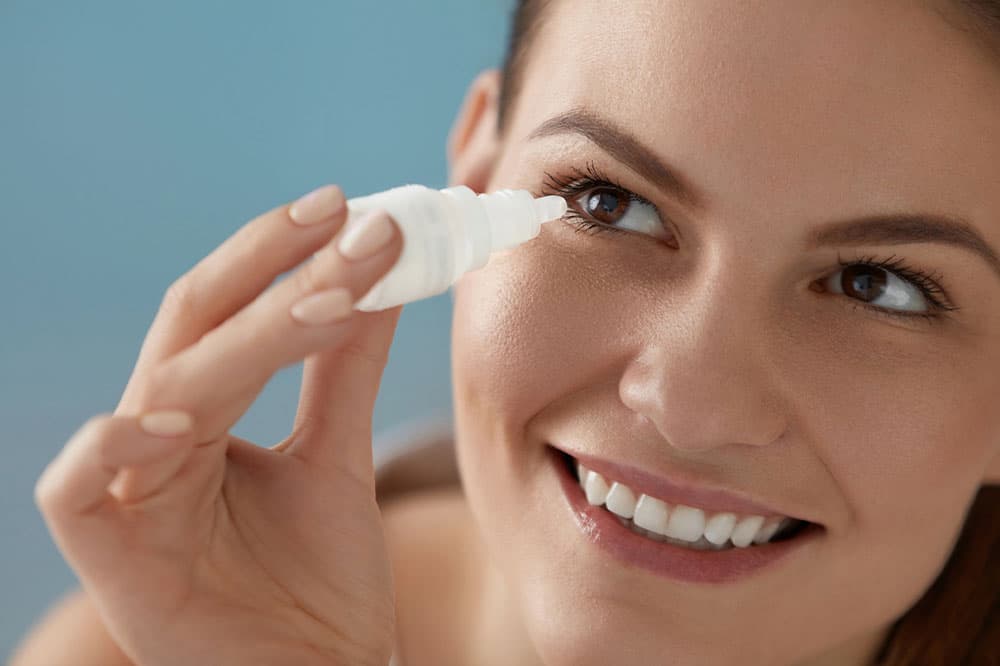
A dry eye is a condition wherein the tear glands in the eyes do not produce enough tears to keep the eyes wet and comfortable. It is one of the most common eye conditions and can be extremely uncomfortable, with symptoms like stinging, burning, and red eyes. This article lists 9 home remedies to help manage dry eyes and keep them moist and wet. However, it is always best to consult a doctor before trying these home remedies. Washing lashes Inflammation is another symptom that needs to be managed for dry eyes, and another trick to know is to wash those crusty eyelashes. Keeping the surrounding skin and hair near the eyes clean ensures the inflammation does not worsen. One can use mild and gentle soap to wash the eyes lids and even the base of the eyelashes. Eye massage Gently massaging the areas around the eyes can provide numerous benefits. This simple act can help relieve tension, increase blood circulation, and promote muscle relaxation. Even though not touching the eye, stimulating the surrounding areas can help improve eye sensation and boost tear production. It’s important to ensure that the eye massage is always gentle and not painful. Unless one has experience with massage or acupuncture, it’s best to seek advice from a professional before trying it out. Using warm compresses The eyes need a mix of three things to stay moist, and these include water, oil, and mucus. These are produced by the oil glands along the edge of the eyelids. However, there are times when these oil glands can get clogged due to flaky eyelids and inflammation in the eye due to dry eyes, so warm compresses are a remedy that helps with this. Here’s what one can do – wet a clean washcloth with some warm water, wring out the excess water, and then place this warm cloth on the eyelids. Gently press on the eyelids while it is placed there for a minute or so. This can help unclog the oil glands. The heat from the warm cloth is enough to loosen up the clogged oils and provide instant relief. But one may need to continue this remedy on a daily basis to help the eyes feel comfortable. Eating fish rich in omega-3 According to research, eating fish high in omega-3 fatty acids can help keep the skin hydrated. Not only that, but it also helps the oil-making glands in the body with healthy fats to keep functioning properly. This is essential for dry eyes as the oil glands often get clogged or do not produce enough moisture. Fish like salmon, tuna, trout, sardines, and mackerel all have good omega-3 fatty acids that help keep the oil glands healthy. Apart from fish, other food sources rich in omega-3s include canola oil, soybean oil, walnuts, and flaxseeds. Drinking enough water Staying hydrated is another tip to help one deal with dry eye symptoms. Drinking enough water throughout the day, not just when thirsty, ensures that one’s whole body is hydrated, including the eyes, and the irritation may be a little less. Also, focus on including hydrating foods in one’s meals, like cucumbers, watermelons, etc. Some days one can also hydrate by incorporating a lot of soups in one’s meals and juices made out of healthy and hydrating vegetables. Using humidifier Keeping a humidifier in the room or all the rooms in the house is an easy trick to ensure the air has some moisture and does not irritate dry eyes. If one does not have a humidifier, keeping a bucket or a pan of water near the radiator or the heater also has the same effect. One can also use an air cleaner as it can help clean the dust particles inside the house, and there will be fewer irritants in the environment to flare up the dry eyes symptoms. Blinking often Blinking is a reflex that comes naturally to most people, but for those who struggle with dry eyes, blinking more often can help. People who use screens regularly for their work should also think about doing daily eye exercises to keep their eyes healthy. To promote good eye health, individuals can follow the 20/20 rule, which suggests taking a break from the screen every 20 minutes and resting their eyes by closing them for 20 seconds. This may seem like a small step, but it adds a lot of value and relaxation when practiced regularly. It ensures that the eyes are not overwhelmed by looking at the screen constantly, and we often don’t take breaks for hours. Also, positioning the screen slightly below eye level can prevent the eyes from opening too wide, which can cause dryness and discomfort due to excessive moisture evaporation. Using wraparound sunglasses When leaving the house, it’s common to wear sunglasses. However, investing in a pair of wraparound sunglasses can be even more beneficial. These sunglasses not only protect one’s eyes from bright light but also shield them from harmful air pollutants that can cause dryness. Additionally, they can be used indoors while using appliances like hair dryers or sitting in front of air conditioners or fans, which can also be irritating to the eyes. Overall, wraparound sunglasses are a worthwhile investment for anyone who wants to protect their eyes and maintain their comfort in any environment. Sleeping well Getting enough sleep is crucial for preventing dry eye symptoms from getting worse. Since dry eye is an immune disorder, sleep plays a vital role in maintaining overall health. It’s important to be well-rested to ensure optimal bodily function. There are also many eye drop prescriptions available that can be bought easily to help with dry eyes. These drops are available for purchase, but it’s important to consult a doctor before using them. They can provide information on the differences between various brands and recommend which one would work best for an individual. Additionally, some ointments can ease dry eye irritation and inflammation, but it’s important to get a health professional’s perspective to choose the right product.

Psoriasis is a chronic, painful, and inflammatory disease that affects the skin and nails, leading to disfigurement and disability. It can happen to anyone, but people aged 50 and above are at higher risk than others. Genes and a weak immune system are considered to be the significant causes of psoriasis. Other triggers include sunburn, infections, trauma, underlying diseases, treatment side effects, and stress. This article will discuss ways to manage psoriasis effectively. Psoriasis and its impact on the body Psoriasis is caused by a dysfunction in the immune system resulting in inflammation. The inflammation causes lesions, bumps, raised plaques, and scales on the skin. When our immune system works well, our skin cells grow and shed once in fifteen days. When affected by psoriasis, the skin cells pile up instead of shedding, and the accumulated plaque build-up can burn, sting, or cause an itch. Psoriasis may affect both the internal and external organs. Externally it usually affects the elbows, knees, and scalp. Internally it can affect any tissues and our organs. In some, it may affect the joints causing psoriatic arthritis. People with psoriasis are also at risk for cardiovascular diseases, hyperpigmentation, Chron’s disease, psychological disorders, and uveitis. Since there is no cure, treatment aims to control the symptoms and prevent remission. Six ways to medically manage psoriasis Physical examination Once you consult a doctor, they will start with a thorough physical examination to understand the plaque’s appearance, location, and severity. They will also talk to you about recent infections, family history, and any other underlying health conditions that may be causing it. For example, if you are consulting your primary physician, they may refer you to a dermatologist at this stage. Topical emollients and creams Doctors may prescribe emollients and creams that can reduce inflammation, reduce the production of skin cells, and improve the symptoms of itch and pain. Prescription treatments Along with creams, doctors may also prescribe a combination of oral systemic treatments that target the molecules inside our immune cells and correct the overactive immune response. Doctors also prescribe Disease-Modifying Antirheumatic Drugs (DMARDS) for those with severe symptoms. Injections Doctors may prescribe creams and oral treatments if the symptoms are very severe or if other treatment methods are ineffective in controlling the symptoms. Phototherapy Phototherapy has been used for more than a century to treat psoriasis. Doctors expose the affected area to Ultraviolet rays to reduce inflammation and slow skin cell production. You may require multiple sessions of phototherapy to see visible changes. Six steps to prevent psoriasis flare-ups Having one or two parents with psoriasis and using tobacco are two major risk factors for psoriasis. Following a good skincare routine and regular screening can help you prevent frequent psoriasis flare-ups. One can follow these six steps to prevent psoriasis flare-ups: Stay hydrated Psoriasis symptoms can become severe if you have dry skin. Drink about 6-8 glasses of water and fluids to prevent dehydration. Use thick creams that can keep the skin moisturized for some time. Follow a healthy skincare routine Good skincare is the foundation of preventing or arresting psoriasis flare-ups. Use organic and hypoallergenic skin care products. While a few minutes in the sun can benefit you, do not spend long hours outside. If you must be outdoors, ensure your arms and legs are covered. Always carry a hat, umbrella, scarf, and sunscreen in your purse. Avoid the following in your meals Food is one of the primary triggers for a psoriasis flare-up. Maintaining a food journal can help you identify what triggers it for you. Avoid the following: Dairy products Eggplant Gluten Highly processed food with chemical additives and flavor enhancers Pork Red meat Rich, sugary desserts Shellfish Snacks and bread made with refined flour Tomatoes White potatoes Avoid exposure to psoriasis triggers Besides food, many other natural, chemical, and environmental triggers can cause a flare-up. Following are some of the common psoriasis triggers: Bruises Specific prescription treatments used for treating hypertension, malaria, and hepatitis C Dry weather Humid weather Insect and bug bite Low estrogen Skin injury Stress Too much exposure to the sun Upper respiratory infections Learn to manage stress Stress is one of the significant triggers of psoriasis. A flare-up and the consequent rashes and itch can add to the stress. Light exercise, yoga, Tai Chi, and meditation can help you calm yourself. You can also spend time on your hobbies and with family and friends. You can also ask your doctor to refer a psychotherapist if you cannot manage stress yourself. Avoid self-prescription Certain oral prescription treatments have been proven as psoriasis triggers. Talk to a doctor before getting any treatment and talk to them about your symptoms so that they can avoid prescribing anything that could be a potential trigger. Do not take any oral treatment without a doctor’s advice. Six home remedies for psoriasis Since psoriasis is a chronic condition without a cure, you may have to take treatment for a long time. Self-care and home remedies can help the dependence on prescription treatments. (Do not discontinue any treatment without the doctor’s advice). Here are some of the home remedies for psoriasis that one can follow: Cold compress Apply a cold compress to the affected areas. It can help in reducing itches and prevent rashes from spreading. Warm bath Soak in a lukewarm bath for 15 minutes to loosen the scales. Add sea salt, oatmeal, and light coal tar bath gel to the warm water to help cool your skin and prevent the itch from spreading. Essential oils Essential oils have always been effective in treating skin conditions. Apply them directly or mix them with carrier oil as per instructions. Essential oils that are beneficial for psoriasis include: Castor oil Coconut oil Geranium oil Lavender oil Tea tree oil Aloe vera Aloe vera gel is a highly recommended herb for dry skin conditions. Buy organic and certified pure aloe vera gel and apply it twice a day. Bitter melon Bitter melon is a bitter and edible fruit, and its enzymes inhibit psoriasis flare-ups. Talk to a doctor or nutritionist about the proper dosage for you. You should avoid it if you have low blood sugar. Use a humidifier A humidifier keeps the air moist at night and can keep the skin moist while you sleep. A 24-hour moisturizing care can help prevent a flare-up.

Remote work has allowed employers, employees, and freelancers to work from anywhere with the help of a laptop. However, to carry out work without hassles, one should invest in a compact device with decent specifications. You must buy a laptop that suits your budget, is durable, and runs an OS you are comfortable with. To help you with a purchasing decision, here are seven laptop models that are suitable for various types of working professionals. Best for MacOS users – Macbook Air M2 If you have the budget, want a lightweight laptop with a compact form factor, and prefer MacOS, consider the Macbook Air M2. The laptop is available at a starting price of $1100, which includes 8GB of memory and 256GB of storage. The laptop also comes with the Apple M2 chip, which includes an 8-core CPU and 8-core GPU. If you need a variant with more storage, go for the 512GB option, which is available at $1400. Either of these setups will give you enough power to complete daily tasks efficiently. Speaking of design, the Macbook Air M2 is an absolute head-turner wherever you use it. The 13.6-inch IPS display could enable you to enjoy content wherever you go. Furthermore, the laptop can give you up to 18 hours of Apple TV app movie playback on a single charge and up to 15 hours of wireless web usage. You also get a 1080p FaceTime HD camera that is suitable for work-related video conferences. If you use the device outdoors in sunlight, the display can go up to 500 nits, which should help improve visibility by a decent margin. Shop for this lightweight yet powerful machine on Apple’s official website. Top overall for Windows OS users – Lenovo ThinkPad X1 Carbon Gen 10 14-inch Lenovo is famous for creating laptops for various industries, including for those who wish to carry out work-oriented tasks. The laptop features a 14-inch screen, making it ultraportable for users who are always on the move. Furthermore, the device is powered by the standard 12th Generation Intel® Core™ i5 processor. You could even pay an additional amount for a more powerful processor. The device includes a Windows 11 Home operating system, with 8 GB or 16GB of available RAM. As for the display, the base variant comes with a 14-inch IPS Anti-Glare display that makes it ideal for creating documents, spreadsheets, and reading PDF files. However, the electronic device packs enough juice to run slightly heavier applications or several tabs with minimal latency. The base model is available at a sale price of $1,320, instead of its original retail price of about $2,4000, and is available on Lenovo’s website. Top pick for creators – 16-inch MacBook Pro Another laptop from Apple that you should consider, especially if you create content, is the 16-inch MacBook Pro. The big screen will ensure you view videos and pictures with better colors and clarity. The base variant also comes with 16GB of RAM and is configurable up to 32GB, while the M2 MAX version can handle up to 96GB of RAM. You also get up to 512GB of SSD storage on the standard 16-inch Macbook Pro. The storage is also configurable, up to 8TB for those looking to store bigger files without rummaging for space, especially when they are on the move. Other bells and whistles included with the MacBook Pro are a six-speaker sound system with force-canceling woofers and HDMI digital video output support for one display with up to 8K resolution at 60Hz (4K resolution at 240Hz). There is also a 1080p FaceTime HD camera. You could pick the base model for about $2500, which comes with the Apple M2 Pro chip, or choose the Apple M2 Max chip starting at $3,100 for maximum performance. You can find the laptop on Apple’s official website. Popular budget device – Acer Aspire 5 Notebook (A514-54-395V) If you are interested in a budget-oriented laptop for work, the Aspire 5 Notebook is an ideal choice. The device has a Windows 11 Home OS installed, Intel® Core™ i3 11th-Gen processor, and 8GB of onboard RAM. The setup may allow you to take up and complete daily tasks such as typing documents, conducting research, and running a few tabs with ease. Apart from using the 14-inch screen for work purposes, you could also use it to enjoy streaming content. The device also features a battery that can last up to 10 hours (based on your usage) which is suitable for those who are on the move and do not always have access to a charging dock. The price of the Acer Aspire 5 Notebook is about $490 on the brand’s website. For the price, it also includes 256GB of SSD storage and a webcam. Top 2-in-1 Chromebook – HP Elite Dragonfly 13.5 inch Chromebook (6K058UT#ABA) ChromeOS enthusiasts who want a decent, 2-in-1 laptop for work should consider this option from HP. The Elite Dragonfly Chromebook is available for a sale price of $1,370 on the brand’s website, which is $150 lower than its retail price. The device also features good specifications, which include 8GB of memory, 128GB of SSD storage, and Intel®️ Core™️ i5 chipset. Furthermore, the device features a 13.5-inch display that is also touch-enabled, making navigating websites and opening pages much quicker. The touch display also means that you can fold the device and use it as a tablet when you are on the move. The screen can also render 2K content, which means you could use it to watch high-quality streaming content when you take some time off from work. You also get a 5MP camera to help take work-related video calls when you are at home or on the move.

Hyperkalemia is characterized by increased potassium levels in a person’s bloodstream. For optimal health, maintaining adequate potassium levels is essential. Managing hyperkalemia by following a nutritious meal plan can help with this. As hyperkalemia can be deadly, it must be treated immediately after being diagnosed to prevent its symptoms. Below is a list of some of the nutritious foods that have helped lower potassium levels and some potassium-rich foods to avoid for managing hyperkalemia. Hyperkalemia Potassium is an essential nutrient, but excess potassium in the body can lead to conditions like hyperkalemia. It can cause serious heart problems, so it is crucial to be familiar with all the details of the conditions. Hyperkalemia symptoms are typically mild and non-specific and thus easy to miss. Muscle weakness, tingling, nausea, and numbness are the usual symptoms of the condition. When the potassium levels are high, one may experience shortness of breath, chest pain, and heart palpitations. Since sudden hyperkalemia can be life-threatening, it is better to seek immediate medical care if the symptoms arise. Causes of hyperkalemia One of the most prevalent reasons for hyperkalemia is kidney disease. The kidneys are tasked with the job of balancing electrolytes, including potassium. The kidney can compensate for high amounts of kalium when its functioning is only moderately impaired. But in the late stages of kidney disease, the kidney may lose this ability. Some drugs may interact with kidney functioning in such a way that it leads to inadequate removal of potassium. Another common cause is eating too many potassium-rich foods like cantaloupe, orange juice, bananas, honeydew melon, or other supplements. Less common causes of hyperkalemia include uncontrolled diabetes, Addison’s disease, and severe injuries or burn that cause the body to release extra potassium. The nutritional regime for hyperkalemia Since one of the most common reasons for hyperkalemia is the excess consumption of potassium, the best way to control it is by following a balanced meal plan. Even when triggered by other reasons like kidney disease or diabetes, modifying the meal plan is the best way to manage this health condition. Bear in mind that it is not possible to have a meal plan free of potassium, and neither is it healthy. A lot of nutritious foods contain potassium. Hence completely eliminating potassium from one’s regular meal plan may cause constipation and deficiency of several other essential nutrients. However, temporarily adopting a low-potassium meal plan is ideal. The following tips can help a person follow this: Avoid foods with the high potassium content It is best to avoid canned vegetables since they contain more salts than necessary and hence may increase potassium content in the blood. Fresh fruits like bananas, grapes, kiwis, mangoes, apricots, and dry fruits like plums, papaya, and raisins have high potassium content. Also, avoid spinach, butternut squash, potato, sweet potatoes, avocado, beetroot, eggplant, cereals with bran, and nuts like pistachios. It is important to control the intake of milk, yogurt, nuts, fish, and chicken. Fruit juices tend to contain artificial salt that is rich in potassium. So try not to drink more than 150 ml of fruit juice a day. Reducing potassium from food If one regularly consumes the foods mentioned above, eliminating these entirely may not be possible. So, one must try to reduce the amount of potassium intake. First and foremost, learning about foods and their nutritional values is important. It is helpful to be aware of the potassium content in foods. A person suffering from hyperkalemia should consume only 2,000 milligrams of potassium a day (as opposed to 2,600 to 3,400 milligrams recommended for a healthy adult). Potassium content from canned foods can be reduced by draining the water. In fresh vegetables, leaching is ideal. This process involves soaking vegetables in water and cooking them in 10x more water than vegetables. Wash the leached vegetables in cold water. Avoid large servings of tomato in all its forms (soup, sauce, puree, juice, etc.). Also, avoid foods like licorice, strong coffee, and chocolate. Foods to manage hyperkalemia Apart from steering clear of some foods, including foods low in potassium in one’s meal plan is important. Consider lean meats, shrimp, or eggs for proteins. Cauliflower, alfalfa sprouts, asparagus, green beans, broccoli, cabbage, cucumber, white mushroom, zucchini, and carrots are ideal vegetables for people with hyperkalemia. Turn to high-fiber grains instead of those with bran. Blackberry, blueberry, cranberry, peach, grapefruit, apple and apple sauce, cherry, strawberry, tangerine, and pears are fruits that are low in kalium. Treatment for hyperkalemia More often than not, a low-potassium meal plan is an ideal solution for hyperkalemia. But there are other alternative treatments. One’s healthcare provider will also likely modify the prescriptions apart from giving a person a meal plan with low-potassium foods. They might also ask a person to take specific pharmaceutical preparations to help the body eliminate extra potassium efficiently. These could be diuretics that make the kidney produce more urine, through which potassium is typically expelled from the body. Doctors may recommend certain prescription treatments for hyperkalemia. However, the same is not used for children and is usually more commonly prescribed when the potassium build-up is severe. Consult with the healthcare provider One must always make modifications to the meal plan with the help of a nutritionist or a general practitioner. Firstly, if hyperkalemia is comorbid with other conditions, it is important to understand which foods will impact one’s health adversely. It is also possible that food is not a cause of this condition. If the reason is an underlying condition like diabetes, the meal plan must be low in potassium and carbohydrates. But if the cause is kidney disease, one must limit sodium, calcium, and phosphorus. Doctors are better equipped to create a meal plan that will suit a person. But remember, it is important to consult with a doctor before making any changes to the meal plan or if the symptoms aggravate further.

Are you constantly driven to scratch your skin due to an annoying itch? Do you feel helpless against the urge no matter how much lotion or cream you apply? Itchy skin can be incredibly irritating, but fortunately, it’s also a widespread problem, often associated with skin diseases. In this blog post, we look at some of the most common triggers that cause itchy skin and the steps to minimize them to alleviate the symptoms. Eight common triggers of itchy skin Excessive sun exposure Excessive sun exposure can cause the skin to become itchy and inflamed due to the higher amounts of UV radiation. Those with susceptible skin may find that small doses of sunshine are uncomfortable and lead to breakouts, itching, and a prickly sensation. Not only is this bothersome, but it can also be potentially dangerous since people may be more likely to scratch or rub at the affected area and further damage their skin. Many studies have found cancer patients complaining of itchy skin after radiation therapy using UVR. Hence, the studies conclude that UV rays from sunlight cause itchy skin. Therefore, it is advised to use antihistamines, sunscreens, and emollient creams. To reduce itchy skin from sun exposure, one should use sunscreen with high SPF protection and limit their time outside when possible. Additionally, topical ointments or wipes may temporarily relieve sun-exposed skin irritations or diseases. Age Itchy skin and certain skin diseases like eczema can be annoying and uncomfortable, but it is even more common with age. As you age, your skin undergoes multiple changes, like becoming dry or being impacted by skin diseases like eczema or psoriasis. As we grow older, our bodies produce fewer lipids to retain moisture in our skin, leading to lower hydration levels and causing barrier disruption. In addition, it triggers inflammatory responses like itching or flaking and intense sensitivity. By ensuring adequate hydration, the right products can help protect your skin and keep it minimally reactive to external irritants. Dry skin Lack of moisture is one of the reasons for dry skin, which aggravates skin diseases and conditions like eczema. The common causes of dry skin include frequent hot-water baths, dry and hot climates, harsh chemical-heavy soaps, and exposure to intense sunlight. Chronic itch (that lasts longer than six weeks) due to dryness may indicate skin diseases such as atopic dermatitis and psoriasis. To combat dry skin and itchiness, moisturize while reducing shower time, avoid extreme temperatures (hot or cold), limit using alkaline soaps, and wear loose clothing. Chemical agents Itchiness (a common symptom of skin diseases) is often caused by irritating particles in the air, such as chemicals, dust, or pollen. Chemical agents are notorious for inflaming the skin and triggering an unpleasant itch. Some of the common agents include: Nickel (commonly found in stainless steel and other jewels) Artificial fragrances in deodorants, body sprays, and lotions Household products, including floor cleaners and detergents Beauty products such as hair dye, cosmetics, sunscreens, and moisturizers The latex used in gloves, condoms, balloons, and baby bottles Renal diseases Renal diseases (or kidney diseases), like uremia, can be a troubling and debilitating group of ailments. One challenging symptom of this burdensome condition is itchy skin, ranging from mild to severe. Uremia is a widespread illness caused by highly damaged kidneys that cannot filter poisons from the body. The back, limbs, and belly are the most typically affected areas. When someone is suffering from renal dysfunction, their ability to regulate nitrogen-rich substances and other minerals is interrupted, leading to dryness in the outer layers of the skin. Seeking medical advice and attempting topical solutions are two popular choices for patients struggling with itchy skin due to renal diseases. Hormones Hormonal fluctuations are more predominant in women than men. Itchy skin can be an incredibly frustrating and uncomfortable experience that often occurs during hormonal changes like puberty and pregnancy. Our bodies are complex systems of hormones, so these imbalances can lead to inflammation, which manifests as itchy skin. While certain moisturizers and lifestyle changes can help with the itchiness, addressing the root cause of your hormone imbalance is critical to genuinely finding relief from this symptom. Therefore, you must talk to a dermatologist if the symptoms persist. Daily lifestyle Factors such as food choices, stress, exercise, environmental allergens, and emotional states can play a role in causing itchy skin. Some lifestyle factors that can trigger itchy skin conditions are as follows. Inadequate consumption of dietary fibers leads to the poor gut microbiota, which fails to regulate skin inflammation. Frequent consumption of junk or processed foods promote inflammatory reactions. Inadequate sleep or erratic sleeping habits decrease the melatonin production required for healthy skin. High consumption of chocolates, crisps, and nuts causes itchy skin as they contain high levels of nickel. Changing your meal plans or avoiding certain foods may help relieve the discomfort. Unfortunately, some stress-related itching cannot be avoided, so focusing on relaxation techniques and reducing stress levels is essential. However, exercise should be done in moderation to ensure that the body’s temperature doesn’t become too hot, which could cause excessive sweating and further irritation. Systemic conditions Several conditions in your internal organs may cause changes in body blood content, reflected in dry skin. Systemic diseases that cause itchy skin (and, possibly, a skin disease) include: Chronic renal failure Hepatitis Cholestasis of pregnancy Extrahepatic biliary obstruction Iron deficiency Hyperthyroidism Diabetes mellitus Hypothyroidism Blood cancer Wrapping up Various factors can cause itchy skin, including contact dermatitis, dry skin, allergies, or skin diseases. Thankfully, there are many ways to treat itchy skin and prevent it from happening in the first place. Look for signs of early onset of a severe medical condition like diabetes or cancer, and check with a dermatologist if you’re experiencing recurring symptoms. With knowledge comes power, so keep these tips in mind when dealing with itchy skin or any skin disease!