The body rest and rejuvenates during the night sleep, but some individuals constantly battle the tides of drowsiness and sleep attacks during waking hours. Such individuals may be suffering from a neurological condition called narcolepsy. This sleep disorder presents unique challenges for those affected. The unexpected sleep attacks can disrupt one’s daily life, including productivity, relationships, and overall well-being. Here are the most common signs, causes, and strategies to support those navigating this condition. What is narcolepsy? Narcolepsy is a chronic neurological disorder that disrupts the normal sleep-wake cycle. People with narcolepsy often feel excessively sleepy during the day, struggling to stay awake and alert. These unexpected bouts of sleep can interfere with their normal routine and productivity, making it difficult to concentrate, perform tasks, and engage in social activities. Narcolepsy is a lifelong condition, typically emerging during adolescence or early adulthood. Narcolepsy Signs Unexpected sleep episodes Narcolepsy can trigger sudden and uncontrollable sleep episodes, commonly known as sleep attacks. People with narcolepsy may find themselves falling asleep during conversations, while at work or school, while driving, or even during social gatherings. These sudden sleep attacks can be disruptive and potentially hazardous. Fragmented sleep Apart from this, individuals with narcolepsy may often have difficulty staying asleep at night due to fragmented sleep and insomnia. They may also experience automatic behaviors, where they briefly fall asleep during activities like eating or talking, continuing them without realizing it, or even driving, which can pose a serious risk to one’s life. Sleep paralysis Sleep paralysis is a condition that brings a temporary loss of muscle control. The condition occurs when one’s brain doesn’t transition smoothly between sleep stages, and one may find it impossible to move. This state may last a few seconds to some minutes and usually passes quickly. Muscle weakness (Cataplexy) A distinct symptom of narcolepsy is cataplexy, characterized by sudden muscle weakness or loss of muscle control. Strong emotions like laughter, surprise, or anger can trigger these episodes. During a cataplectic episode, individuals may experience temporary paralysis or a weakening of specific muscle groups, sometimes causing them to collapse or struggle to move. Cataplexy can range in severity and significantly impact a person’s quality of life. Hallucinations People may find these hallucinations confusing and alarming, further contributing to disrupted sleep patterns and overall distress. Hallucinations may be characterized by strong and convincing feelings about something that is not present in reality. These episodes may occur just before falling asleep or waking up. One who experiences sleep paralysis and hallucinations is more likely to be diagnosed with narcolepsy. These symptoms, however, may not always mean that one is suffering from narcolepsy. Sometimes, they may be caused by other health concerns or lifestyle changes. It’s best to consult a healthcare professional who specializes in sleep disorders. A thorough assessment of one’s signs, healthcare examinations, and family history can help the doctor confirm the diagnosis and give proper and personalized treatment. Possible causes of narcolepsy Brain chemistry Recent studies have shown an association of narcolepsy with an imbalance in certain neurotransmitters and chemicals in the brain. A brain chemical called hypocretin governs sleep, and certain brain neurons work together to stabilize one’s sleep-wake cycles. It is believed that a lack of hypocretin throws off the neurotransmitter balance that regulates alertness and sleep. Autoimmune disorders Autoimmune disorders occur when the immune system mistakenly identifies healthy cells in the body as foreign or harmful and launches an attack against them. This misguided immune response leads to the destruction or dysfunction of healthy tissues and organs. In narcolepsy, one’s immune system is known to attack the hypocretin-containing brain cells. Family history One’s family history plays a significant role in one’s risk of developing narcolepsy. While it may also affect anyone, about 10 percent of people with the condition had a close relative or family member suffering from the condition. Brain injuries Any brain injury resulting from accidents or head trauma, or the presence of a tumor, can also significantly increase an individual’s risk of developing narcolepsy. The traumatic impact can disrupt the delicate balance of brain chemistry and interfere with the normal functioning of sleep-wake regulatory systems. Apart from these, any chronic physiological stress or major hormonal changes like menopause, a sudden switch in one’s lifestyle and sleep patterns, as well as infections, can also trigger one’s condition. Natural ways to manage narcolepsy Consider taking power naps Setting aside 20 minutes to an hour during the day to rest can help one to manage sleepiness and also help one’s body to rejuvenate and restore its energy levels. Going to bed and waking up at the same time each day can help regulate sleep patterns and reduce excessive daytime sleepiness. Acupuncture While the precise mechanisms behind acupuncture’s effects are still being explored, this ancient practice offers a potential avenue for managing narcolepsy symptoms naturally. Lifestyle adjustments Making certain lifestyle modifications can have a positive impact on managing narcolepsy. Establishing a consistent sleep schedule and creating a sleep-friendly environment with a cool, dark, and quiet bedroom can enhance sleep quality. Regular physical activity like swimming, walking, dancing, cycling, and yoga can also contribute to better overall sleep, better balance and fitness, and increased wakefulness during the day. It can keep one’s muscles engaged and strengthen them, which usually tend to go limp in those with narcolepsy. Avoid caffeine Avoid caffeine after 2 PM. Caffeine is a stimulant that heightens one’s awareness, so one’s body may find it difficult to wind down if one has coffee or drinks with caffeine in the evening or at night. It can also negatively affect one’s quality of sleep. Mind-body techniques, herbal remedies, aromatherapy, acupuncture, and lifestyle alterations offer promising avenues for symptom relief and overall well-being. It is essential to approach natural treatments with caution. Consultation with a healthcare professional or a physical therapist can provide guidance on appropriate exercise routines.

Hyperkalemia is characterized by increased potassium levels in a person’s bloodstream. For optimal health, maintaining adequate potassium levels is essential. Managing hyperkalemia by following a nutritious meal plan can help with this. As hyperkalemia can be deadly, it must be treated immediately after being diagnosed to prevent its symptoms. Below is a list of some of the nutritious foods that have helped lower potassium levels and some potassium-rich foods to avoid for managing hyperkalemia. Hyperkalemia Potassium is an essential nutrient, but excess potassium in the body can lead to conditions like hyperkalemia. It can cause serious heart problems, so it is crucial to be familiar with all the details of the conditions. Hyperkalemia symptoms are typically mild and non-specific and thus easy to miss. Muscle weakness, tingling, nausea, and numbness are the usual symptoms of the condition. When the potassium levels are high, one may experience shortness of breath, chest pain, and heart palpitations. Since sudden hyperkalemia can be life-threatening, it is better to seek immediate medical care if the symptoms arise. Causes of hyperkalemia One of the most prevalent reasons for hyperkalemia is kidney disease. The kidneys are tasked with the job of balancing electrolytes, including potassium. The kidney can compensate for high amounts of kalium when its functioning is only moderately impaired. But in the late stages of kidney disease, the kidney may lose this ability. Some drugs may interact with kidney functioning in such a way that it leads to inadequate removal of potassium. Another common cause is eating too many potassium-rich foods like cantaloupe, orange juice, bananas, honeydew melon, or other supplements. Less common causes of hyperkalemia include uncontrolled diabetes, Addison’s disease, and severe injuries or burn that cause the body to release extra potassium. The nutritional regime for hyperkalemia Since one of the most common reasons for hyperkalemia is the excess consumption of potassium, the best way to control it is by following a balanced meal plan. Even when triggered by other reasons like kidney disease or diabetes, modifying the meal plan is the best way to manage this health condition. Bear in mind that it is not possible to have a meal plan free of potassium, and neither is it healthy. A lot of nutritious foods contain potassium. Hence completely eliminating potassium from one’s regular meal plan may cause constipation and deficiency of several other essential nutrients. However, temporarily adopting a low-potassium meal plan is ideal. The following tips can help a person follow this: Avoid foods with the high potassium content It is best to avoid canned vegetables since they contain more salts than necessary and hence may increase potassium content in the blood. Fresh fruits like bananas, grapes, kiwis, mangoes, apricots, and dry fruits like plums, papaya, and raisins have high potassium content. Also, avoid spinach, butternut squash, potato, sweet potatoes, avocado, beetroot, eggplant, cereals with bran, and nuts like pistachios. It is important to control the intake of milk, yogurt, nuts, fish, and chicken. Fruit juices tend to contain artificial salt that is rich in potassium. So try not to drink more than 150 ml of fruit juice a day. Reducing potassium from food If one regularly consumes the foods mentioned above, eliminating these entirely may not be possible. So, one must try to reduce the amount of potassium intake. First and foremost, learning about foods and their nutritional values is important. It is helpful to be aware of the potassium content in foods. A person suffering from hyperkalemia should consume only 2,000 milligrams of potassium a day (as opposed to 2,600 to 3,400 milligrams recommended for a healthy adult). Potassium content from canned foods can be reduced by draining the water. In fresh vegetables, leaching is ideal. This process involves soaking vegetables in water and cooking them in 10x more water than vegetables. Wash the leached vegetables in cold water. Avoid large servings of tomato in all its forms (soup, sauce, puree, juice, etc.). Also, avoid foods like licorice, strong coffee, and chocolate. Foods to manage hyperkalemia Apart from steering clear of some foods, including foods low in potassium in one’s meal plan is important. Consider lean meats, shrimp, or eggs for proteins. Cauliflower, alfalfa sprouts, asparagus, green beans, broccoli, cabbage, cucumber, white mushroom, zucchini, and carrots are ideal vegetables for people with hyperkalemia. Turn to high-fiber grains instead of those with bran. Blackberry, blueberry, cranberry, peach, grapefruit, apple and apple sauce, cherry, strawberry, tangerine, and pears are fruits that are low in kalium. Treatment for hyperkalemia More often than not, a low-potassium meal plan is an ideal solution for hyperkalemia. But there are other alternative treatments. One’s healthcare provider will also likely modify the prescriptions apart from giving a person a meal plan with low-potassium foods. They might also ask a person to take specific pharmaceutical preparations to help the body eliminate extra potassium efficiently. These could be diuretics that make the kidney produce more urine, through which potassium is typically expelled from the body. Doctors may recommend certain prescription treatments for hyperkalemia. However, the same is not used for children and is usually more commonly prescribed when the potassium build-up is severe. Consult with the healthcare provider One must always make modifications to the meal plan with the help of a nutritionist or a general practitioner. Firstly, if hyperkalemia is comorbid with other conditions, it is important to understand which foods will impact one’s health adversely. It is also possible that food is not a cause of this condition. If the reason is an underlying condition like diabetes, the meal plan must be low in potassium and carbohydrates. But if the cause is kidney disease, one must limit sodium, calcium, and phosphorus. Doctors are better equipped to create a meal plan that will suit a person. But remember, it is important to consult with a doctor before making any changes to the meal plan or if the symptoms aggravate further.

Chronic obstructive pulmonary disease (COPD) is a lung condition characterized by obstruction in airflow from the lungs. It is typically caused by chronic bronchitis, emphysema, or exposure to irritants or particulate matter. The symptoms of this condition include wheezing, difficulty breathing, cough, and mucus production. It is a progressive condition and, as the name suggests, chronic. However, you can manage it through lifestyle and dietary changes, and a good quality of life is within reach. COPD and the immunity COPD is a complex condition affecting multiple organ systems. Though the illness can cause various complications like heart problems, high blood pressure, and lung cancer, the relationship between COPD and immunity is perhaps the most complex. Chronic inflammation is a complication of this condition and is a strong indicator of the immune system’s involvement in COPD. Chronic inflammation compromises immune functioning, allowing pathogens to make your lungs their new home. Since exposure to irritants is implicated, there is a natural response from both structural and immune cells in the lungs. Individuals with COPD are much more likely at risk of respiratory infections like colds, pneumonia, and flu, making breathing more difficult and damaging the lungs further. Managing COPD Though a diagnosis of COPD is not immediately life-threatening nor as scary as a cancer diagnosis, it will not be easy. However, it is possible to handle them better if you are well-informed. First, safeguard your lungs by preventing flare-ups. It could mean taking prescription treatments to prevent infection, avoiding allergens, and avoiding unhealthy lifestyle habits. Though exercising becomes more difficult due to difficulty breathing, moderate physical activity in the right proportions can do wonders while coping with this chronic condition. Be sure to discuss with a health expert the kind of physical activity that will benefit your condition. Of course, like with any chronic illness, there is the problem of coping with negative emotions. Fear and anxiety are not far away; thus, identifying and handling them is necessary. Do not hesitate to talk to your loved ones or occasionally seek a professional mental health expert to regain confidence or mental peace. You can also seek out support groups for patients with COPD to discuss your experience with others and share tips on managing the chronic condition. It is also essential to consult with your caregivers about what you may need if the situation worsens. Finally, the food you eat daily also influences your breathing patterns; therefore, it is important to get the proper nutrients to help you manage COPD. With these management tips in mind, enhancing your quality of life is possible even with COPD. Immunity-boosting foods for COPD A healthcare professional or a nutritional expert will likely advise you about COPD-safe foods apart from giving you an exercise regimen and other support to maintain your well-being. You can help accelerate the process to better health by including immunity-boosting foods in your diet. As mentioned before, COPD and immunity are interrelated, so it is crucial to attack the problem from both sides. You can use the following five foods to boost immunity and fight COPD. Ginger Ginger is the best ingredient to boost immune functioning and reduce the inflammation associated with COPD. This spice is excellent for managing the cold and flu symptoms that become common due to increased infections and helps recover after an infection. Ginger is an ingredient that suits various healthy dishes, so one can easily incorporate it into the daily meal plan. Blueberries This little berry is loaded with antioxidants like anthocyanins. They protect lung tissue from oxidative damage and are also known to improve immunity. Add some to your smoothie, or enjoy them as an afternoon snack to protect and preserve your lung functioning. Oysters This mollusk is packed with nutrients essential to maintaining and improving lung health. Zinc, copper, and selenium, which are needed for the lungs and immunity, are available in micro amounts. Further, these nutrients also tackle comorbid conditions like high blood pressure and vitamin B12 deficiency. Coffee Apart from waking you up in the morning, coffee also has the power to protect your lungs. This caffeine-rich drink is full of antioxidants that are essential for lung and immune functioning. Many studies indicate that coffee can protect the lungs from respiratory disease. It acts as a vasodilator, reducing high blood pressure as well as symptoms of asthma on a short-term basis. Barley A nutritious, high-fiber grain that can protect your lungs is barley. Those with COPD have an increased risk of mortality due to lung-related complications, which this whole grain can guard against. The flavonoids and vitamin E in barley reduce cellular damage associated with COPD and actively promote lung health, making it an ideal ingredient to add to your plate. Other healthy food items Apart from these five foods to boost immunity, there are also items like bell peppers, sunflower seeds, olive oil, papaya, and citrus fruits that can help cope with COPD. One can easily manage COPD by being mindful of what foods one eats and how one’s body reacts. Along with genetics, nutritional habits are a trigger that sets off COPD. So be sure to eat carefully. Furthermore, before making significant changes to your daily meal plan, consult a nutritional expert to determine if a particular food item suits you. Remember that healing is a collaborative process. One cannot effectively cope with COPD without the help of others. It could be the doctor who helps you identify what food is good for you, a nutritional expert who enables you to plan your meals or a loved one. Be sure to ask for and get help when you need it. Do not hesitate to ask questions to your healthcare professional and see that your treatment plan suits your needs.
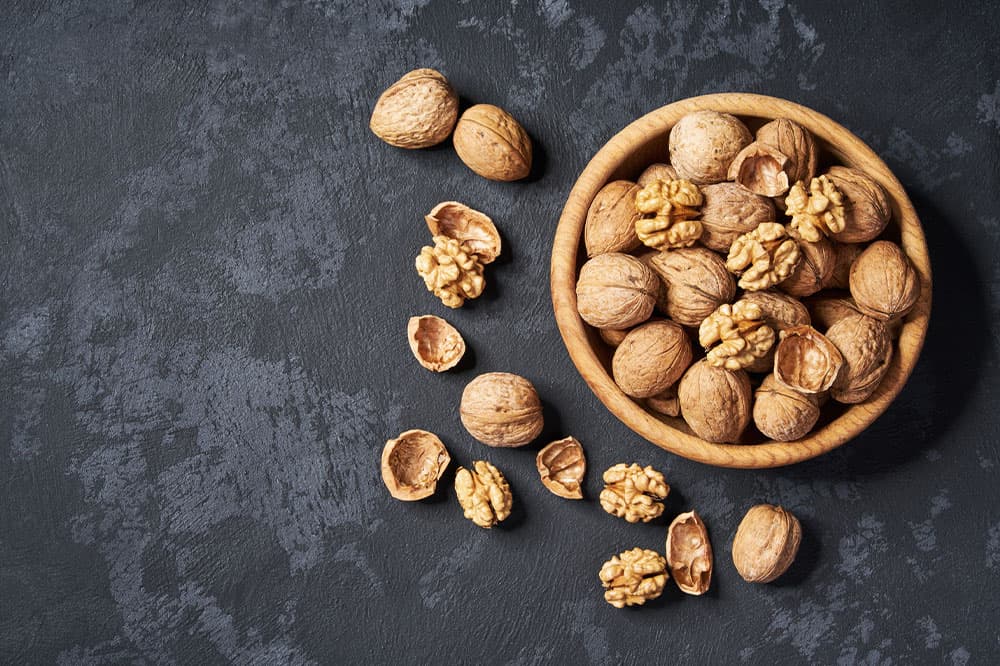
With depression affecting millions worldwide, understanding the potential of food as a complementary approach to managing the condition has become increasingly important. While no magic food can instantly cure the condition, scientific studies suggest that including specific nutrients and certain foods in one’s daily intake can help manage and alleviate its symptoms. One should remember that these are merely complementary and must not replace treatment for Major Depressive Disorder (MDD). Foods that help manage depression Here are some foods identified by various studies as natural allies to manage depression: Dark leafy greens Dark leafy greens prevent inflammation, which has been linked to severe depression and brain inflammation. Due to their abundance of minerals, phytochemicals, and vitamins A, C, E, and K, leafy greens are particularly crucial. This nutrient-dense food group, which includes spinach, kale, Swiss chard, and broccoli, helps strengthen the immune system and stop the growth of malignant cells in the body. Because they are so versatile, dark leafy greens can be included in all sorts of meals, such as salads, smoothies, soups, or doughs. One can eat them raw in salads, sauté them in olive oil and garlic, mix them with other veggies like corn and bell peppers, or even add them to smoothies with bananas or other fruits for a drink filled with nutrients. Walnuts Studies have shown that omega-3 fatty acids support brain function and lower the risk of depression symptoms. Most nuts, particularly walnuts, are rich in polyunsaturated fats, including the crucial omega-3 fatty acids. The presence of omega-3 fatty acids, antioxidants, and other nutrients in walnuts is believed to boost energy levels and concentration, fight oxidative stress in the body, and contribute positively to one’s mental health. One can eat a handful of walnuts in a day as a snack. While nuts are generally considered a healthy addition to most diets, there are a few groups of people who should exercise moderation in their nut consumption. Those allergic to them, older people, or young children with weaker digestive systems can exercise caution since nuts are more difficult to digest than fruits and vegetables. One can consult a doctor on the ideal quantity for one’s health needs. Avocados Avocados are a superfood for the brain. This versatile food contains healthy fats, especially oleic acid. Protein, vitamin K, vitamin B9, vitamin B6, vitamin B5, vitamin C, and vitamin E12 are all present in avocados, which should be had daily. Due to their high fiber and low sugar content, avocados can support healthy brain function. They are a delicious and nutritious addition to salads. Berries Berries are one of the richest sources of antioxidants and vitamin C, which is associated with a reduced risk of depression. Apart from helping to fight depression, these nutrient-dense foods can also significantly help improve cell health, protect against age-related cognitive decline, and contribute positively to one’s skin health. Common berries include blueberries, strawberries, and raspberries. Mushrooms Studies have also shown that intestinal health can affect mood since the nerve cells in the gut are responsible for producing the crucial neurotransmitter serotonin. Mushrooms are superfoods that maintain the balance of one’s gut bacteria by acting like probiotics. Alternatively, these superfoods have chemical components that balance mood and work to control blood sugar levels, which can be beneficial for individuals with diabetes. Mushrooms are easy to cook and can be eaten in salads, omelets, or a number of other home-cooked meals. Yogurt Besides mushrooms, one can also go for kefir or yogurt as rich probiotic alternatives that promote gut health. One should eat unsweetened natural yogurt to get maximum benefits and avoid unnecessary sugar intake that may further complicate one’s condition. Beans Beans provide a number of advantages, including a high fiber content that helps maintain mood. Beans are a good option for people looking to stabilize their mood since they are digested slowly, reduce cravings for processed grains like bread and help to control blood sugar levels. Beans may be included in meals as a delicious carbohydrate alternative. Fish, tofu, and milk Vitamin D is an extremely important nutrient that fulfills and supports various body functions, including bone health, immune function, and mental well-being. While sunlight is a natural source of vitamin D, foods like tofu, fish, and milk can also provide this essential vitamin. Tofu, a soy-based product, is suitable for vegan eaters, while milk should only be consumed by those who are not lactose intolerant. Sometimes, vitamin D from food alone may not meet one’s body’s demands. In this case, one should consult a healthcare professional to determine specific requirements and oral treatments to boost one’s vitamin D levels. Cacao A minimum of 85% cacao in dark chocolate offers multiple health benefits to individuals, especially women battling depression. It contains flavanols that naturally stabilize one’s mood and boost memory and immunity. Apart from being a delicious snack, it is also anti-inflammatory and has been shown to reduce depression symptoms. One should avoid store-bought chocolates since they mainly contain sugar and little cacao. To ensure one eats the right chocolate, one can check a product’s labels and do research before buying the best dark chocolate. Diagnosis of depression Testing to determine whether or not one is exhibiting depressive symptoms is the first stage in diagnosing depression. One can find numerous science-backed and healthcare professional-recommended self-assessment tests online, with questionnaires that try to understand an individual’s body and mind. If one shows signs of depression, one can also visit a doctor directly, who will take a series of tests, from questionnaires and conversational sessions to blood tests that may detect any existing deficiencies. Often, depression is a side effect of certain nutrient deficiencies or underlying health conditions. Hence, these tests also help a professional rule out other illnesses and begin therapies to treat chronic depression if it is diagnosed. Treatment options Vraylar is an effective treatment option for Major Depressive Disorder (MDD) and other mental conditions, including schizophrenia and bipolar disorder. The cost of the treatment may vary depending on an individual’s needs and the doctor’s recommendations. Apart from that, it may also be recommended to take other oral treatments, physical exercises, and complementary therapies, including acupuncture, yoga, and meditation. One is advised to detail one’s symptoms honestly to one’s healthcare professional to ensure that the treatment received is accurate and effective.

Migraine is a neurological health condition that causes intense headaches. They occur in episodes when exposed to specific stimuli. Common triggers include loud sounds, fatigue, weather changes, and bright lights. Though the precise cause is unknown, it is clear that the propensity to get migraines and even the particular triggers can be transferred through heredity from parents. The following is a comprehensive account of foods and smells that trigger migraine and cities that are particularly problematic migraine hotspots. Foods that trigger migraines Food and beverages can provoke migraines on their own, as well as in combination with other triggers. Combinations and triggers are highly individualized; thus, there are no universal triggers. However, some foods are more common detonators than others and are listed below, so you can watch out for them. Always consult a doctor about food modifications to ascertain what affects you and what does not. Foods with MSG Monosodium glutamate, or MSG, exists naturally in the body but is also present in certain foods. Though safe to eat in minute proportions and widely used as a food additive, these might activate migraine attacks. Other food preservatives may also cause migraines. Aged cheeses Aged cheeses like feta, blue cheese, and Parmesan all contain a compound called tyramine. It causes the breakdown of proteins as the cheese ages; hence, the older the cheese, higher is the tyramine content. This compound is known to trigger migraines and headaches in some people. Spicy foods Though spicy food can be good for your health when consumed now and then and does wonders for a sinus headache, it can be problematic if you suffer from migraines. Chilli peppers are particularly detrimental when compared to other spicy ingredients. Spicy food activates TRP pain receptors, and individuals with a high risk of migraines have sensitive receptors. So it is best to avoid spicy foods because they can trigger migraines. Cured meats Deli meats, ham, sausages, and hot dogs are cured meats that tend to trigger migraines. These food items contain preservative nitrates, which preserve the color and flavor of the meat. However, they release nitric oxide into the blood, dilating blood vessels. This process is known to contribute to migraines. Caffeinated beverages Though caffeine can help relieve a regular headache, it can be problematic when you suffer from migraines. If you have a daily habit of drinking coffee, you are likely to become dependent on it, and intake of less than 80 mg could bring on a headache. Caffeine is also present in other drinks as well as foods like chocolate. Artificial sweeteners Artificial sweeteners like aspartame and sucralose tend to worsen migraines. They not only trigger headaches, but their regular use could also increase the frequency and duration of the migraines. Smells and migraines If you suffer from chronic migraines, you will likely experience headaches when exposed to strong smells. More than half of the individuals who suffer from chronic migraines tend to be intolerant of intense scents. It is called osmophobia and is unique to those with migraines. Headaches triggered by smells are more likely to be accompanied by nausea and are typically more severe. Osmophobia There could also be psychological causes related to smell that triggers migraine headaches. The aversive reaction to smells during a migraine attack is quite unpleasant. Osmophobia can result from being disgusted by particular food odors or cooking smells, or you may feel like the food is rotten. The disgust can also manifest along with anxiety which worsens the migraine. It is a common psychological feature associated with migraine attacks, just like phonophobia and photophobia. Smells that trigger migraines Though several smells can cause migraines and the feelings of disgust vary from individual to individual, there are some familiar strong odors that trigger migraines. Cigarette smoke, perfume, smells of pungent food, pesticides, car exhaust, nail polish, solvents, and detergents are some triggers. Cities that are migraine hotspots Since migraines have several triggers, food, weather, light, sound, smell, and the environment plays a vital role in maintaining the health of those with chronic migraines. Some lifestyle factors that contribute to migraines are the frequency of sunburns, frequency of exercise, plane travel, overtime work hours, and the incidence of sleeping trouble. Factors related to the environment, like extreme temperatures, and rapidly changing weather, and other factors, such as reduced access to emergency health care, can worsen the condition of a patient. Keeping these in mind, the following are five cities with a high prevalence of migraines – Cincinnati, Ohio; Knoxville, Texas; Madison, Wisconsin; Nashville, Texas and St. Louis, Missouri. Home remedies for migraine Though migraine is best handled with the help of a general practitioner and their prescriptions, it is also possible to reduce the intensity and frequency of migraines with some home remedies. Exercise Physical activity produces endorphins, natural opioids, that help ease stress and pain in your body. Regular work out keeps the body healthy and can reduce the frequency of migraines. Remember not to exercise when you have a headache, but do it when you are healthy. Take help from a professional trainer if necessary. Essential oils Peppermint oil contains menthol, a compound that has the ability to manage migraine symptoms. In addition, lavender oil can be added to your diffuser, inhaled directly, or even diluted with a carrier oil like almond or coconut and applied to the temples. When used regularly, these have the potential to minimize the frequency and severity of migraine attacks. Stress management More than 80% of people with migraines report stress as one of their triggers. Managing stress could decrease the frequency of migraines. Some stress management techniques are deep breathing, yoga, meditation, Tai Chi, counseling or psychotherapy, progressive muscle relaxation, music therapy, and mental imagery.

Eczema is a condition that affects the skin and causes redness, itching, and dryness. It can be very uncomfortable and can affect any body part. It can also cause psychological distress and can be challenging to manage. Thankfully, several guidelines can be followed to help keep skin healthy and avoid the symptoms of eczema. This article will discuss the causes of eczema, the signs and treatments, and a few guidelines for avoiding eczema symptoms and treatment. Introduction to eczema Eczema is a skin issue often characterized by redness, itching, flaking, and dryness. The situation is often accompanied by swelling, crusting, and even blistering of the skin. It can affect any body part, including the face, hands, arms, and legs. Eczema is not a contagious condition, but it can be uncomfortable and affect the quality of life. People with a family history of eczema are more likely to develop the condition. Other d that may increase the risk of eczema include stress, allergies, and certain skin irritants. What are the main causes of eczema? The exact cause of eczema is a combination of genetic and environmental factors. People with a family history of eczema are more likely to develop the condition. Other well-known factors that may increase the risk of eczema include stress, allergies, and certain skin irritants. It is also believed that certain factors may trigger the onset of eczema. These triggers include certain foods, environmental allergens, and even certain fabrics. Identifying and avoiding the triggers is essential, as they can worsen the condition. Symptoms and treatment options The symptoms of eczema may vary from person to person, but the most common symptoms include redness, itching, flaking, and skin dryness. In severe cases, the skin may become inflamed, swollen, and even blistered. The skin may also become thickened, cracked, and scaly. The treatment of eczema varies depending on the severity of the condition. Mild cases may be treated with over-the-counter creams and ointments. More severe cases may require topical prescription medications or oral steroids. In some cases, phototherapy may be recommended. Guidelines for healthy skin and avoiding eczema Symptoms and treatment plans for eczema Eczema can be a complex condition to manage, but several guidelines can be followed to help keep skin healthy and avoid the symptoms of eczema. Here are seven guidelines for healthy skin and avoiding eczema symptoms and treatment. Use a gentle cleanser It is vital to use a gentle cleanser when washing the skin. Many cleaners are too harsh and can strip the skin of natural oils, leading to dryness and irritation. Identify cleansers that are specifically formulated for sensitive skin and use them. Moisturize Get a moisturizer that is specifically formulated for sensitive skin. Moisturizing the skin is essential for keeping it healthy and preventing eczema symptoms. Choosing a moisturizer free of fragrances, dyes, and other irritants is also necessary. People who use make-up might face challenges such as eczema flare-ups when removing their make-up; in such cases, tinted moisturizers are a great option worth trying. Tinted moisturizers can cover up the rashes while healing them in the long run. Wear loose-fitted clothes Clothing that is too tight can cause skin friction and lead to irritation. It is important to wear loose-fitting clothing made of breathable fabrics such as cotton and linen. Avoid wearing synthetic materials such as polyester and nylon. Avoid certain products Certain products can irritate and worsen eczema symptoms. These include fragranced products, dyes, and products that contain alcohol. Avoiding these products and looking for products specifically formulated for sensitive skin is essential. Avoid hot water and long showers Hot water and long showers can dry the skin and worsen eczema symptoms. Limiting hot water use and showers to at most 10 minutes is essential. After showering, it is vital to apply a moisturizer to help lock in moisture. Avoid irritants and allergens Certain irritants and allergens can trigger an eczema flare-up. Common triggers include certain foods, pet dander, dust mites, and specific fabrics. Therefore, it is crucial to know triggers and avoid them. Wear sunscreen The sun’s UV rays can irritate and worsen eczema symptoms. It is essential to wear sunscreen containing an SPF of 30 or higher and repeat application over the skin every two hours outdoors. Choosing a sunscreen free of fragrances and irritating chemicals is also essential. A tinted sunscreen may be beneficial as it protects the skin from UV rays and blue light, unlike un-tinted sunscreen. Blue light emitted from computer and mobile phone screens can also cause eczema and dry the skin on your face. Identifying and choosing tinted sunscreens that contain the correct minerals is crucial. The tinted sunscreens help reduce premature aging and wrinkling and keep your face glowing. Teen eczema treatment options Teenagers who suffer from eczema may find it challenging to manage their condition. Thankfully, several treatment options are available for teens who suffer from eczema. These include topical medications, phototherapy, and even lifestyle changes. Teens need to talk to their doctor about the best treatment options. The doctor can help them develop an individualized treatment plan that can help manage their condition and keep their skin healthy. IUD acne treatment options Women who use Intrauterine devices for birth control may face issues such as IUD acne flare-ups. However, getting a doctor’s opinion is crucial to see if the IUD is responsible for the acne flare-up. There are a few ways to treat the symptoms yourself: a) Cleansing your face regularly, about thrice a day, with non-chemical cleansers is a must. b) Eating a healthy organic meal consisting of vegetables and fruits while avoiding high-sugar foods is necessary c) Preventing and reducing stress is required at all costs. Therefore, it is vital to try meditating and other relaxing methods. Alternatives to traditional eczema treatment plans In addition to traditional medical treatments, several alternative therapies can help manage the symptoms of eczema. These include dietary changes, herbal remedies, and lifestyle changes. For instance, dietary changes can help to reduce inflammation and limit flare-ups. Herbal remedies can help to relieve itching and dryness. And lifestyle changes can help to reduce stress and manage the condition. Moreover, talking to a healthcare professional before trying alternative treatments is essential to ensure the treatments are safe and effective.

Internet connectivity is the need of the hour for working professionals who operate from home, students, and generally anyone who wants to be online. So, getting a family plan is better if you install a new Internet connection at home. These plans cater to every individual’s needs and support multi-device streaming and seamless connections to work or study. This article discusses the best plans to choose, mistakes to avoid, and ways to boost your Internet connection. Common mistakes to avoid while choosing Internet providers Choosing an Internet service provider can be confusing at first, so here are a few basic mistakes you can avoid: Choosing the wrong connection Avoid choosing a low-cost Internet provider simply because you get some free basic plans. You will end up with a low-speed connection that might not be sufficient for all household members. Compare plans to find affordable Internet services that work for everyone. Getting confused with Internet types Fiber optic connections are the fastest and offer decent speeds for multiple users to connect and enjoy Internet services. However, some affordable plans may only be available with limited bandwidth. So, you must check and compare types of Internet connections, including DSL, cable, and fixed wireless. Not reading the terms of the agreement If you are applying for special Internet discounts, consider the terms and conditions mentioned in the qualifying criteria. You don’t want to commit to anything long-term when many alternatives are available on the market. Not getting the proper hardware You must invest in a decent modem and essential hardware for your home Internet to work seamlessly. Some government-sponsored Internet access benefits include the cost of these installations. Not comparing all available offers You’ll have to do some research to check out the best home Internet options available and compare services, irrespective of the ACP benefit. Don’t miss out on promotions simply because you haven’t checked out the available alternatives. Top 3 affordable home Internet services Verizon, Cox Communications, and AT&T are among the top services providing affordable Internet offers with benefits sponsored by the government as well. Verizon’s low-cost Internet for low-income families Verizon has partnered with the government to provide low-cost, affordable Internet services under its Lifeline Assistance Program. Suppose your income is less than or equal to 135% of the federal poverty guidelines. In that case, any household member receiving benefits under a qualifying federal assistance program can avail themselves of the discount. These primarily include Medicaid, the Supplemental Nutrition Assistance Program, Supplemental Security Income, Federal Public Housing Assistance, Veterans Pension and Survivors Benefits, and other special tribal programs.The 300 Mbps plan is free, while the 500 Mbps plan costs only $24.99 per month after a discount. Users are also eligible for the gigabit connection under the low-cost scheme for a discounted price of $49.99 per month with speeds up to 940 Mbps. Average savings under the scheme start at $20 per month and vary depending on the plan chosen. AT&T Home Internet Services AT&T is another Internet provider that partners with the government to provide low-cost Internet, sponsored under the Affordable Connectivity Program (ACP). Given the low tariff rates for the service’s basic Internet plans, you can get free Internet access upon qualifying and applying the discount. Eligible households can get a minimum $35/month discount, up to even $75 for unique qualifying tribal lands. The basic 100 Mbps plan starts at $30/month, and no additional charge is levied for annual contract maintenance, installation, or Wi-Fi modules. With the ACP $30/month credit, you’ll virtually enjoy free Internet access upon qualification. The discounts are applicable even for high-speed Internet plans over 100 Mbps. Cox Communications low-cost Internet Cox Communications offers a variety of low-cost Internet plans under the ACP program. Individual users can enjoy the ConnectAssist plan with speeds up to 100 Mbps, ideal for connecting up to five devices, including a free modem rental and no term agreement. While the plan starts at $30 per month, qualifying individuals under the ACP benefit can use the Internet connection for free upon receiving the monthly credit.Families can alternatively check out the Connect2Compete Internet plan, which also offers 100 Mbps speeds with all the perks and benefits of the individual plans. The plan is priced at $9.95/month, with ACP credit available for specific qualifying criteria. In addition, at least one K–12 students must receive schooling benefits under government-sponsored education programs. 6 easy steps to boost Wi-Fi connection When you use affordable Internet plans with limited bandwidth and speed, the following tips and hacks will help boost your Internet speed significantly. Restart the devices Sometimes, overheating of the devices can cause severe lag and latency issues. Restart the device or turn off the router for a few minutes to allow the device to cool down. The power-down and power-up cycles also boost Internet speed. Shift the router or modem Wi-Fi speed can also be affected if there is a barrier behind or in front of the antennas. This disturbance causes the signal to bounce back and affect latency, causing the Internet to disconnect. Wireless routers need to be placed in a location where there is no interference. Revise the frequency If multiple users are logged in, increasing the frequency band is better. Wi-fi routers operate on two radio frequency bands, mainly 2.4 GHz and 5 GHz. Switching the frequency will shift your device to better bandwidth and ensure seamless connectivity. Use a Wi-Fi extender or booster Range extenders and signal boosters can easily enhance your existing low-bandwidth Wi-Fi connection for a bare minimum cost. To enable a direct connection, you can even switch to a dedicated Ethernet port connection for desktops. Disconnect unnecessary devices Sometimes you’ll forget about that iPad or spare phone that’s still connected to the Wi-Fi network but not being used actively. Disconnect unused devices so the network is only used for active connections. This will help improve speed even on limited bandwidth. Update the interface Device updates can also affect the Wi-Fi connection because manufacturers keep releasing new software updates. You must download the latest firmware for the routers and modem to ensure the connection is stable.

Pet parents leave no stone unturned to ensure their pet’s good health. Purchasing premium pet foods, pet-proofing the home, and taking their pets for vet visits are just some of the measures pet parents take to keep their pets healthy. Nutrition is one of the most essential aspects determining a dog’s general well-being. In addition to specific dog foods available on the market, certain human foods can also provide dogs with the required nourishment: Chicken Most dogs will surely enjoy a simple yet satisfying meal of boiled chicken and rice. Boiled chicken can serve as an excellent low-fat meal for dogs, providing them with their daily dose of protein and helping with muscle and bone health. However, eating chicken in its raw form is not advisable, as it can increase the risk of salmonella and other bacterial infections. It is also best to avoid adding spices and salt to the chicken meal, as these can result in digestive issues like diarrhea and vomiting. Plain boiled chicken, preferably with some boiled rice, is the best bet for a sumptuous meal for one’s pooch. Eggs Eggs are rich sources of protein, fatty acids, and vitamins A, B2, and B12, making them a healthy breakfast option for dogs. Free-range eggs are healthier than regular ones, as they have fewer saturated fats and cholesterol and more omega-3 fatty acids and vitamin A. Moreover, it is advisable to avoid feeding raw eggs to dogs and opt for boiled eggs without salt and spices. Fatty fish Fatty fish like salmon, tuna, mackerel, and herring are packed with omega-3 fatty acids, which are essential for a dog’s skin and coat. Fatty fish are particularly healthy for dogs with dry skin or who live in cold and dry climates. Boiled fish without salt and spices is the best way to serve fish to dogs. Turkey Several pet owners are often confused about whether turkey is healthy for their pets. Cooked turkey is a wholesome meal for dogs. However, Thanksgiving turkey, which includes generous quantities of butter, oil, herbs, salt, and spices, is unhealthy and should not be served to dogs. Moreover, turkey skin harms dogs’ stomachs and pancreas; thus, dogs should only have de-skinned turkeys. De-skinned, boiled turkey without the bones, salt, and spices makes for a healthy dog meal. Carrots Carrots are loaded with beta-carotene and are excellent low-fat snack items for dogs. Diced, peeled carrots are better than whole carrots, as the latter may cause choking. Moreover, limiting dogs’ carrot intake to one a day is advisable. Unsalted popcorn Dogs need not feel left out during their favorite humans’ movie-watching sessions. Plain, unsalted popcorn is a rich source of phosphorus, zinc, and magnesium and can be enjoyed in limited quantities by dogs. However, in addition to not being salted, the popcorn served to dogs should not contain any spices or butter. Bananas Bananas are packed with vitamins, fiber, potassium, and magnesium and are great energy sources for dogs. But they also contain high levels of sugar; hence, it is best to limit dogs’ intake of peeled bananas to once or twice a week. Cucumbers Cucumbers are rich in essential nutrients like magnesium, copper, vitamins, and phosphorus. Peeled and diced cucumbers can be served as crunchy snacks alongside diced carrots or in isolation. Cashews Limited quantities of cashews are safe human foods for dogs and can provide them with essential nutrients like magnesium, copper, and calcium. Dogs can be served up to five cashews at a time. Sweet potatoes Sweet potatoes contain less fat and are rich in vitamins A, B6, and C. Boiled sweet potatoes are also good sources of fiber and can act as complete meals for dogs, but they should be served without any spices or salt. Apples Apples can provide dogs with vitamins A and C and fiber; moreover, they contain fewer quantities of fat and protein and are, therefore, highly suitable for older dogs. Therefore, de-seeded, peeled apples can make appetizing snacks for dogs. Cantaloupes Cantaloupes contain a wide range of nutrients, including vitamin C, beta-carotene, folate, and potassium, besides being fiber-rich fruits with high water content. Thus, peeled and diced cantaloupes are healthy snack options for dogs, but they are also high in sugar content and should be served in moderation. Peaches Small quantities of fresh or frozen peaches are rich in vitamin A and fiber and may be enjoyed by dogs. However, the peach pit contains cyanide, which is poisonous to dogs; thus, the pit should be discarded while serving them this fruit. Pumpkins Pumpkins promote good digestion and skin and coat health. They also help remedy digestion issues like constipation and diarrhea. Moreover, this vegetable contains vitamins A, C, B1, and B6, copper, folate, fiber, and magnesium, among other nutrients. Dogs should be fed boiled pumpkin that is not salted or spiced. Watermelons About 92% of a watermelon’s constituents are water, which ensures optimal hydration during hot summer days, even for dogs. Moreover, this fruit contains essential vitamins such as vitamins A, B6, and C, and potassium. However, pet owners should ensure their dogs do not consume watermelon rind and seeds. Pet care and nutrition are vital to a dog’s health and longevity. However, life is unpredictable, despite several measures taken to prevent untoward incidents. Hence, purchasing a dog insurance policy is essential for dog owners to obtain financial compensation in the event of injuries or accidents to their dogs. Today, many dog insurance policies cover various services, from diagnostics and screenings to treatment options and rehabilitation. The premium amount for such policies is typically based on the cost of veterinary interventions in a particular area. The premium also differs based on the pet’s gender, age, breed, and species. Thus, a healthy and active lifestyle can prevent health conditions, whereas a best-value pet insurance plan for dogs ensures financial recovery in such situations.