
Every household has a list of cleaning essentials that they swear by. We tend to stick to one brand, especially in cases of laundry detergent, if they satisfy our need for them. The laundry detergent market is rapidly growing, and all of them market their products as capable of removing every stain and restoring the cloth’s texture. You can also consider your product from good quality laundry detergents suitable for different fabrics and skin types. Tips to consider while buying laundry detergent: Look for laundry detergents marked High-Efficiency if you want to conserve water. If you are conscious of the detergent’s environmental impact, choose detergents marked as eco-friendly or green. Choose detergents that contain safe bleach alternatives. If you or a family member have sensitive skin, look for a hypoallergenic formula that does not contain perfumes or dyes. Read the machine manual before choosing the detergent, as they will suggest the type of detergent to use If you are purchasing a detergent to remove hard stains primarily, then look for detergents that contain enzymes. Avoid harsh chemicals, especially if you are using natural fabric. Invest in good-quality detergents, and do not let lower prices be the sole criteria for making your decision. Detergents are available in conventional and liquid forms, pods, and tablets. Most detergent manufactures offer their product in each of the forms. While organic and plant-based detergents may not be 100% chemical free, they may contain safe and non-toxic chemicals. Six best laundry detergents to consider: Keeping the tips in mind, here is a list of laundry detergents that you should make your top choice: Persil’s ProClean Liquid Odor-Fighter Laundry Detergent Persil’s ProClean Liquid Odor-Fighter Laundry Detergent has an efficient odor-eliminating technology and offers a premium cleaning experience with lasting freshness. The detergent removes tough stains and can be used for delicates and all types of fabrics. It is also compatible with all types of machines, including High-Efficiency machines. One bottle of detergent will last you for around 80 loads. The product was also ranked as the Noted Product of the Year in a Consumer Survey of Production Innovation in 2022. However, if you are looking for a hypoallergenic formula, you can consider using the Persil Sensitive Skin 2x, which is perfume and dye free. Earth Breeze Laundry Detergent Eco Sheets One of the top choices of laundry detergent, especially if you want to buy an eco-friendly detergent, is the Earth Breeze Laundry Eco Sheets. The detergent is in the form of sheets and will quickly dissolve in warm and cold water, and it is also compatible with HE efficiencies. While eco-friendly detergents have a bad rep for their incapacity to remove rough stains, experts have tested the Earth Breeze detergent and have confirmed that it removes tough stains. You can use two sheets instead of one to wash heavily soiled or large loads. Tide Hygienic Clean Heavy 10x Duty Power PODS Laundry Detergent Soap Pods The Tide Hygienic Clean Heavy 10x Duty Power PODS Laundry Detergent Soap Pods is one of the most popular and cost-effective detergents in the market today. The product contains ten active cleaning ingredients, proven to remove visible and invisible dirt. It is effective in soft, hard, cold, and hot water settings and machine types and is the best seller in household products in various online sites and physical stores. The detergent effectively deals with grease, oil, and food stains and is gentle with the fabric while simultaneously providing your clothes a hygienic clean. If you want a detergent that cleans your clothes at a microscopic level and fights odor, you do not have to look beyond the Tide Hygienic Clean Heavy 10x Duty Power PODS Laundry Detergent Soap Pods. Kirkland Signature Ultra Clean HE Liquid Laundry Detergent Kirkland Signature Ultra Clean HE Liquid Laundry Detergent is one of the top budget picks for high-quality detergent. It is one of the best in removing strong odors and can remove heavy makeup stains. It is priced at $17, which is a fair price for the quality of the product, and costs almost half of the other top players in the market. The detergent also contains a patented catch-and-release technology which is tough on grease and dirt. The detergent has a fresh ‘clean’ scent which loyal customers list as a deciding factor when choosing to repurchase the detergent. Seventh Generation Concentrated Laundry Detergent The Seventh-Generation detergent line is known for its liquid detergents and single-dose pods. The Seventh Generation Concentrated Laundry Detergent is plant-based and does not contain synthetic chemicals or optical brighteners. It is a versatile detergent used in all types of machines, including high-efficiency ones. It is unscented and is phosphate and gluten-free. It is a hypoallergenic laundry detergent made for sensitive skin. The product has effectively removed stains, even those in heavy military gear, and is also EPA Safer Choice Certified. Molly’s Suds Unscented Laundry Detergent Powder The Molly’s Suds Unscented, Laundry Detergent Powder, is an unscented powder that is safe for all types of washers and is made of a vegan formula. Since the detergent is sufficiently concentrated, you can use them for approximately 110-120 loads. The product is tested safe for everyone, especially people with sensitive skin. It is safe for children’s clothing and should be used in warm or hot water for the best results. The detergent can tackle grass stains and food stains equally well. While the unscented product is their seller, it is also available in peppermint and citrus scents. In addition, the detergent is also septic-safe and grey-water-safe. Conclusion There is a range of good quality detergents that cater to specific needs. Once you are clear about the results you want and whether you will use the detergent for daily or professional use, it makes your choice easy. Compare prices and expert opinions to choose the detergent which will become a staple in your household.

When it comes to sports, the thrill of competition goes beyond the boundaries of stadiums and arenas. It surpasses time, captivating fans and collectors alike with its rich history and iconic moments. Sports memorabilia is a tangible connection to those exhilarating experiences, allowing fans to own a piece of sporting excellence. While some may view these items as mere souvenirs, there is a remarkable subcategory of sports memorabilia that goes beyond sentimental value. Sports memorabilia Sports memorabilia holds a special place in the hearts of fans and collectors alike. It encapsulates the essence of sporting moments, immortalizing legendary athletes, iconic teams, and historical events. Owning a piece of sports history brings a sense of pride and connection, allowing fans to feel a part of the action. Whether it’s a game-used jersey, a signed baseball, or a vintage program, sports memorabilia captures the magic of the past and keeps the spirit of sports alive. Here are a few categories of sports memorabilia- Historic game-worn jerseys Game-worn jerseys of iconic athletes are highly sought after by collectors. These jerseys carry the weight of history and often become rare finds as they age. Jerseys worn during milestone moments, championship games, or record-breaking performances hold significant value. Their direct connection to specific events or players and their scarcity contributes to these jerseys’ rising demand and value. Championship rings Championship rings represent the height of success in sports and are considered prized possessions by both players and collectors. Decorated with diamonds and other precious gems, these rings represent team achievements and individual excellence. Due to their limited availability and innate prestige, championship rings often command high prices in the market, making them valuable investments. Hall of Fame inductee memorabilia When athletes are inducted into prestigious sports Hall of Fame, their memorabilia gains an exceptional value. Items such as autographed baseballs, basketballs, or footballs from Hall of Famers are always in high demand. As their legacy and impact on the sport are recognized worldwide, the value of their memorabilia tends to rise. Collecting items associated with Hall of Fame inductees allows fans to celebrate and preserve the accomplishments of these legendary figures. Rookie cards Rookie cards are trading cards that first features athletes, generally at the beginning of their professional careers. These cards hold significant value, mainly if they depict players who later became superstars or achieved remarkable career milestones. The rarity and condition of the card play a crucial role in determining its value. As the athlete’s career progresses and their reputation grows, the demand for their rookie cards increases, driving up their market price. Vintage sports equipment Vintage sports equipment, such as baseball gloves, wooden bats, or leather football helmets, carries a nostalgic appeal and can rise in value. Collectors often seek well-preserved, authentic equipment from the past. The lack of availability of vintage sports gear and its connection to specific eras or players make them valuable additions to any sports memorabilia collection. Sports art and original photographs In addition to traditional memorabilia items, sports art, and original photographs have gained popularity as collectibles. Paintings, sculptures, and limited edition prints depicting sports moments or iconic athletes have become sought-after works. Similarly, original photographs capturing iconic moments in sports history hold significant value. These artistic representations offer a unique way to celebrate sports and add a touch of aesthetic appeal to any collection. The investment potential While most collectibles hold sentimental value, certain sports memorabilia also has the potential to appreciate in price. These items serve as cherished possessions and can yield significant returns on investment over time. However, it is important to note that while most sports memorabilia have shown a track record of appreciation, the value of collectibles can change depending on market trends, the popularity of athletes, and the physical condition of the items. Therefore, conducting thorough research, seeking expert advice, and investing wisely will help maximize the potential return on your sports memorabilia investments. The importance of authentication When it comes to investing in sports memorabilia, authenticity is paramount. With the increasing popularity of sports collectibles, the market has also seen its fair share of counterfeit items. To ensure your investment’s value and integrity, obtaining items from reputable sources and seeking proper authentication is important. Certificates of authenticity, holograms, and detailed documentation are crucial in verifying the genuineness of sports memorabilia. Preserving and displaying your collection Proper preservation and display are essential to maintain the value and condition of your sports memorabilia. Consider these tips to protect your prized possessions- Conservation materials Use archival-quality storage materials, such as acid-free sleeves, cases, and display frames, to prevent damage from light, moisture, and dust. Controlled environment Store your collectibles in a controlled environment with stable temperature and humidity levels to prevent damage. Framing and displaying If you choose to display your memorabilia, opt for UV-protected display cases or frames to shield them from harmful sunlight. Avoid using adhesive or mounting materials that may damage the items. Impact of sports gear and jerseys While sports memorabilia often encompasses various items, sports gear and jerseys hold a special place in the hearts of collectors. Game-worn jerseys, equipment, and accessories are highly coveted for their direct connection to the athletes and the intensity of competition. Whether a basketball signed by a legendary player or a jersey worn during a championship game, these items carry an undeniable aura that resonates with sports enthusiasts and collectors alike. Sports memorabilia offers a captivating blend of nostalgia, passion, and investment potential. From autographed jerseys to vintage equipment, these cherished items connect fans to the exciting world of sports. As fans and collectors continue to celebrate the spirit of various sports, the value of certain sports memorabilia continues to rise. So, whether you’re a sports enthusiast or an astute investor, exploring the world of sports collectibles can be an exciting journey that unites past and present, passion and profit.

Eczema is a common skin condition in the country. You may find the symptoms challenging to manage and alleviate without proper knowledge. The common symptoms include thick, scaly patches of raised bumps in the affected area. Understanding eczema triggers may help you handle it better. Therefore, consulting a dermatologist regarding your queries may prove beneficial. So, let’s read further about what exactly eczema is and how it can be managed by resorting to natural home remedies. What is Eczema? Eczema is a skin condition causing red, itchy, and long-lasting skin rash. Red patches can appear anywhere on the body during an eczema flare-up, including the feet, hands, ankles, thighs, cheeks, forehead, and neck. As anyone with a skin disease like eczema will attest, the condition is irritating, painful, and itchy. However, if you follow a healthy lifestyle, unpleasant symptoms may typically improve with time. What eczema looks like on different skin tones Eczema symptoms may appear different on different skin tones. For example, lighter skin tones may typically experience inflamed, red, and spotted dark pink patches, termed hyperpigmentation. On the other hand, darker skin tones may experience violet, dark brown, or ashy grey patches. As the skin heals from eczema, it may become lighter, a condition known as hypopigmentation. Which body parts does eczema affect? Did you know that the eczema-affected areas of the body may be different at different ages? Typical locations of eczema in infants and young children include: The face The exterior portion of the elbows Knees Symptoms in older children and adults are visible in the following locations: Fingers and toes Arms The back of the knees Elbow folds Even though you notice eczema symptoms as an adult, you may have had it since you were an infant or young child. This is because most symptoms emerge during the initial years of childhood. However, it rarely happens that eczema symptoms appear for the first time in adults. Six easy tips for easing eczema: Improve your meal plans Gut health affects your immune system and can deteriorate after consistently consuming excessive carbohydrates, sugar, and processed foods. However, a clear relationship exists between skin diseases like eczema and gut health. You must note the times you encounter eczema flare-ups and examine the meals you consumed before the outbreak. This will help determine if specific foods trigger skin diseases and conditions like eczema. Therefore, increase your consumption of anti-inflammatory foods to improve gut health and prevent eczema flare-ups. These foods can include turmeric, cinnamon, leafy green vegetables, seafood, beans, and lentils. Make simple lifestyle adjustments Taking a quick cool or warm bath rather than a hot one can significantly reduce eczema flare-ups. For example, a hot bath leads to dry, itchy skin and aggravates skin diseases like eczema. While washing garments, opt for natural and fragrance-free detergents. These are gentle on the skin and have a soothing effect. This is true for not just clothes but also napkins, sheets, and other accessories like gloves and scarves. Opt for natural cotton clothes instead of synthetic fibers. Lastly, check your shampoo and soap for harsh substances, like sulfates and parabens, that may worsen the burning, itching, and redness. Avoid activities leading to heavy perspiration Do your workouts cause you to itch? People with skin diseases like eczema often feel an itch when they sweat, whether exercising or sleeping under heavy sheets, due to overheating. The body uses sweat as a natural cooling mechanism, but when it evaporates, the remaining dryness and salty residue can make eczema worse. So, if you are experiencing an eczema flare-up, substitute heavy workouts with low-impact exercises or yoga. Use natural ointments Herbal ointments can naturally moisturize your skin and alleviate symptoms of skin diseases like eczema. Ointments like comfrey, plantain, and calendula salves benefit people with eczema and related skin diseases since they act as natural moisturizers. These ointments can be applied once or twice daily on dry skin, during the onset of an outbreak, and to treat active outbreaks. Also, consider applying 2% licorice gel as an eczema remedy. Lastly, sunflower seed oil has highly beneficial effects on itchy skin, reducing rashes, removing blisters, and enhancing the immune system and skin barrier function. Control the urge to scratch Scratching is an instinctual response to an itchy rash for most people. However, people with eczema and related skin conditions should avoid scratching. A technique known as habit reversal may help here. In this technique, you determine when you are most prone to indulge in a habit (in this case, scratching) and distract yourself at those times. If, when watching TV, you find yourself scratching, try engaging your hands with a stress ball, a fidget spinner, or a coloring book. You may also apply a cold compress or ice, as it will soothe the skin and prevent the itch. Maintaining a moisturizing regimen after washing and before bed is essential to keep the skin hydrated and supple. Use an apple cider vinegar Apple cider vinegar is an effective home cure for many skin diseases, including eczema. However, vinegar can injure soft tissue; therefore, it should be applied to the skin with caution. It is essential to know that vinegar is highly acidic, and so is the skin. Skin with skin diseases and conditions like eczema is less acidic when compared to normal skin. This weakens the skin’s defenses. Hence, you can dilute apple cider vinegar to neutralize the skin’s acidity. Wrapping up Skin conditions like eczema may affect both kids and adults. However, these simple tips may help manage it effectively. Modifying your daily routine and introducing healthy lifestyle changes help alleviate eczema and related skin diseases. Ultimately, maintaining healthy and hydrated skin may easily control eczema symptoms.
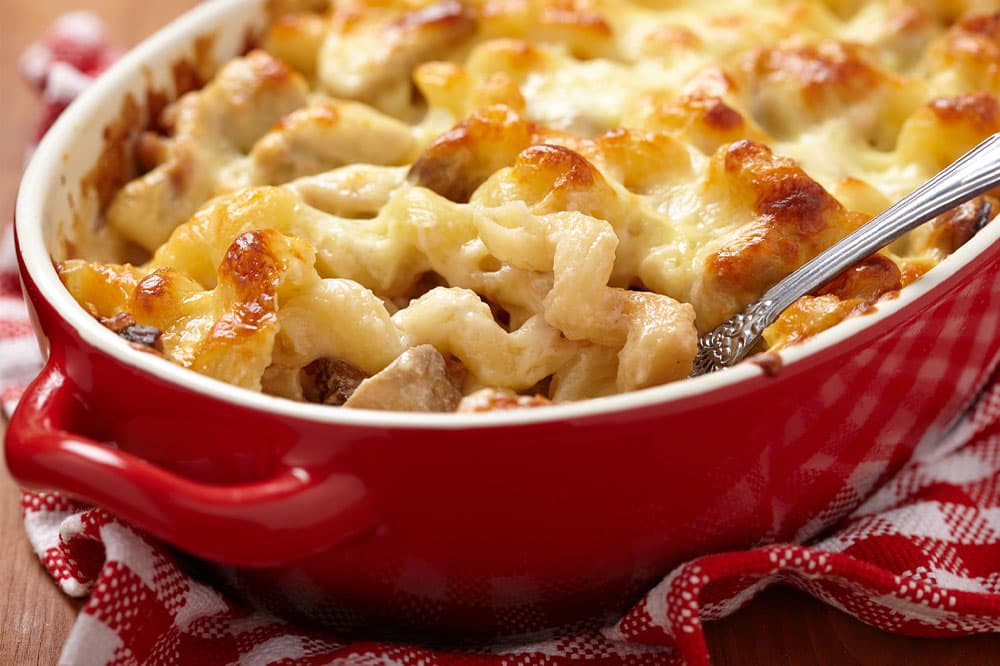
Dental implants are the best way to replace missing teeth, but there are certain things that one should avoid after getting the procedure. The gums are delicate after the surgery. Many patients return to the dentist because of a post-surgery injury caused by a particular food item. Apart from following proper oral hygiene, it is also essential to watch out for certain foods to protect the implants. What are dental implants? Dental implants are artificial tooth roots that replace missing teeth. They are made of titanium and surgically placed in the jawbone, replacing your natural tooth with an implant that looks, feels, and functions like a real one. The implants can replace single or multiple teeth in both the upper and lower jaws. The procedure involves placing an implant into your jawbone behind (or below) the remaining healthy natural teeth so they can support new ones when needed later. List of foods eat after dental implants Macaroni and cheese This food is both tasty and filled with carbohydrates and fats, which can curb your cravings. It can also satiate your hunger pangs. Eggs Eggs, soft-boiled or scrambled, or plain omelets are suitable for your teeth and serve as a daily dose of protein. Pancakes Pancakes, soft and topped with maple syrup or honey, are one of the best foods you can have soon after your dental implants. Soups Soups are a great way to get all the nutrients your body needs, including vitamins and minerals. Vegetable or chicken soup is an excellent choice because it has many different flavors that come together in one bowl. Mashed potatoes The mashed potatoes can give much-needed moisture throughout the day because they contain salt, which helps balance out what goes into our bodies. Mashed Bananas Bananas are rich in potassium and many mother minerals. Soft mashed bananas are easy to swallow and also taste good. Moreover, they provide enough energy to keep you going for a while. Oatmeal Oatmeal is a wholesome food that is a staple breakfast option. Soft, milk-soaked oatmeal can be relished after surgeries as they nourish the body and prevent straining the gums. List of foods to avoid after dental implants Hard and sticky foods After surgery, the gums are sensitive and susceptible to damage or infection. Make sure you avoid hard and sticky food items like caramel and peanut butter, candies, and cookies to prevent irritating the area that can cause pain or irritation. Try softening some food with water before eating it. This will make it easier for your mouth to digest without adding extra pressure to your new tooth structure. Taffy and chewing gums are chewy and sticky on the teeth, which can cause injury and strain to the gums. Crunchy and dry food items This includes nuts, seeds, dried fruits, vegetables like celery stalks, carrots, and cucumbers, and hard candy, such as licorice and chocolates. Acidic foods Avoid acidic foods such as tomatoes or citrus fruit, especially acidic fruits such as oranges, lemons, limes, and lemonade (the juice). Citrus juice contains citric acid, which may erode dental implants over time if ingested regularly! Sodium-rich foods Avoid salty foods like processed meats and fatty foods like bacon bits or fried chicken nuggets – they will leave an unpleasant taste in your mouth. Salty foods can cause swelling in your mouth, making it difficult for you to chew. It’s also essential to avoid sweetened drinks like soda or juice because they can cause tooth decay over time if they are not consumed in moderation. Spicy foods Spicy dishes, such as curry, and fried foods, should be avoided because they may cause swelling of the gums around your teeth. Coffee Coffee is a diuretic, which can cause your body to lose water. This can lead to swelling, pain, and discoloration of your gums due to dehydration. Milk tea This drink contains caffeine, which can irritate your mouth if you have dentures in place. It also contains lactic acid bacteria that could cause infection in the implant site if left untreated. Switch to alternatives if necessary. Crunchy nuts These are high in sugar content and should be avoided immediately after dental implants because they may get stuck between teeth, and the debris buildup from chewing them may lead to damage at the surface of implants causing the tooth condition to worsen over time. Jerky meat It is best not to eat jerky because it is loaded with high amounts of salt & preservatives, which can make you thirsty and dehydrate your body even more than usual. If you are craving meat, look at different cooking options, like chicken soup or mashed nuggets. Steak Steaks and other red meat varieties can be chewy and potentially damage or injure the new implants. Therefore, it is advisable to steer clear till the implants are healed. Ice creams This is not necessarily a food you should avoid after dental implants but more so something to consider before getting them placed. Ice creams are high in fat and sugar, which can cause plaque buildup on your teeth and lead to tooth decay. So make sure you brush your teeth after eating ice cream to prevent the aftermath conditions. After dental implants, it is essential to follow a healthy meal plan. It may take a while before you can eat your favorite foods again, but with proper care and attention to your oral health, this should not be an issue. There are many reasons one should eat well after getting dental implants. It helps prevent disease, maintain good oral health, and help repair gum tissue if necessary. If you still experience pain after the dental implant procedure, make an appointment with your dentist at the earliest. This may mean that you may need to have the implant replaced or adjusted. Ignorance can worsen the dental condition, leading to further complications,

When you travel, it is important that you take all the necessary precautions to ensure your safety and well-being on the trip. One of the best ways to do this is by avoiding mistakes when booking your accommodation. Whether traveling with or without pets or visiting crowded tourist-centric places like Las Vegas and Miami or remote areas, it is always wise to stay ahead and avoid common mistakes to ensure a memorable and enjoyable trip. Not considering the location Another common mistake is to consider the location of the hotel you are booking. If you are visiting an unfamiliar city, consider booking a hotel close to the attractions you want to visit. This will make it much easier to get around and will help you save money on transportation. Booking hotel rooms near attractions also saves time and enables you to enjoy the place until late hours. Booking accommodation at faraway places may not allow you to enjoy the late-night experience or capture its beauty in the early morning hours. Also, remote locations may not be extremely safe as they might be scarcely populated. So, you should also ensure that the hotel is located in a safe area. Check online reviews and talk to people who have stayed at the hotel to get an idea of the neighborhood. You may even want to walk around the area during the day to get a better feel for the site. Not looking for pet-friendly hotels When traveling with pets, one of the most common hotel booking mistakes is not checking the hotel policy and looking up pet-friendly discount hotels. Some hotels may charge an additional fee if you bring a pet with you without checking with the management. Some may have additional pet policies, so it is essential to do your research first. You should also ensure that the hotel is clean and safe for your pet. Check reviews and ask other travelers about their experience with top pet-friendly hotels. You may even want to call ahead to ensure that the staff can provide the necessary accommodation. Overlooking the fine print Another common hotel booking mistake is not reading the fine print. Before you book a room, read all the policies and fees associated with your stay. Some hotels may have hidden fees that could cost you more at the end of your stay. It is also essential to ensure you fully understand the cancellation policy. Some hotels may charge a fee if you cancel your reservation, or the booking could be non-refundable. So read through and confirm all the details before you book a stay. It is also essential to check the refund policy of the hotel to ensure you will get a full or adequate refund on canceling your stay. For example, most Vegas hotels offer a full refund only when the booking is canceled 72 hours before the date of stay. Not comparing prices When booking a hotel, it is crucial to compare prices to get the best deal. Hotels may offer different rates depending on the quality, site, dates, and room you book, so ensure you get the best deal. You can use online tools or third-party applications/websites to compare hotel prices and find good deals. Many hotels offer discounts for booking online or for members of specific loyalty programs. Take advantage of these discounts to save as much money as possible. You should also look for promotional codes or discounts on different sites. Some of the best accommodations in tourist-friendly cities offer many deals throughout the year. Vegas hotels are known for their comparative rates. It is also a good idea to check the prices of top hotels during the off-season, such as the Encore Resort and the Wynn Resorts. Encore hotel may offer luxurious stays in the non-tourist season. Booking at the last minute Another common mistake is booking a hotel right before you leave. If you book a hotel at the last minute, you are likely to pay more than you should. Additionally, you may have fewer options when it comes to room types, amenities, or locations. To avoid paying more for your hotel, book in advance. This will give you time to compare prices and find the best deal. Plus, you will have more time to research the hotel and ensure it meets your needs. Booking at the last minute may also deprive you of a full refund, as many hotels have a 72-hour refund policy when canceling the booking. Booking late cannot be avoided when you make a sudden travel plan. So, in those situations, it is best to consult a friend or colleague who has traveled to the location recently or if you can find discounts. Not using reward points If you are a frequent traveler, consider signing up for a loyalty program to get offers, discounts, and other perks, such as free upgrades or early check-in. Hotels may also offer complimentary breakfast or other amenities if you are a member of their loyalty program. Loyalty programs can help you save money in the long run. If you book a stay with the same hotel chain multiple times, such as the Encore Hotels, Wynn reward points can be redeemed at both Wynn Resorts and the Encore Suites. You can earn points to get discounts or complimentary stays in the future. So it is worth signing up for loyalty programs if you travel frequently. Traveling can be an exciting and rewarding experience, but it is crucial to ensure that you plan well and take all the necessary precautions to ensure your safety and well-being. You can provide your trip is successful by avoiding common hotel booking mistakes. Whether traveling for business or pleasure, avoiding these mistakes will help you make the most of the trip. So, start planning your next trip and travel smarter.

Home remodeling projects, when done right, can offer high returns in terms of increased home value and improved functionality. Whether you want to sell the house or just improve the look and function of their living space, these projects are worth considering. Finding the right contractor for the remodeling project is crucial for making the right moves. Here are some of the top budget-friendly home remodeling projects that can offer high returns: Kitchen remodeling The kitchen is often considered the heart of a home, and a well-executed remodeling project here can yield a high return on investment (ROI). You can upgrade countertops, cabinets, appliances, and flooring or even consider adding energy-efficient features, which can modernize the layout and maximize functionality. Opt for high-quality materials and fixtures to ensure durability and longevity. Bathroom renovation You can invest in upgrading fixtures, such as faucets, showers, and toilets, to more efficient and aesthetically pleasing options. Extra storage, better lighting fixtures, enhanced ventilation, as well as energy-saving additions like LED lighting can increase the appeal of the bathroom while reducing utility costs. You can also install water-saving features, such as low-flow toilets and showerheads, to reduce water consumption and appeal to eco-conscious buyers. Addressing any existing plumbing issues, such as leaks or outdated pipes, can also improve the overall functionality and value of the home. Deck or patio addition Outdoor living spaces have become increasingly popular, especially in areas with favorable climate. Adding a deck or patio can provide a significant ROI while expanding your living space. So, consider choosing durable materials that require minimal maintenance and adding features like built-in seating, fire pits, or outdoor kitchen to enhance the appeal of the outdoor area. Basement remodeling Basements are often an untapped potential that can cater to a variety of needs. By converting the basement into a usable space, such as a home theater, game room, or guest suite, you can increase the home’s value and appeal. First, ensure proper insulation and adequate lighting for safety and comfort. There should also be egresses, such as windows or exterior doors, for safety and compliance with building codes. Incorporating storage solutions can maximize space utilization and help keep the area organized. Energy-efficient upgrades By harnessing natural abundant sources of energy like sunlight, you can make the house more eco-friendly and save money in the long run. So, consider installing energy-efficient windows, upgrading insulation, and replacing outdated appliances with energy-saving models. These upgrades not only lower the energy requirements of your home but can also contribute to a higher resale value. Garage conversion Consider converting the garage into a living space, such as a home office, gym, or additional bedroom. This can add more utility space to the house. Ensure proper insulation, heating, and cooling to create a comfortable environment. Consider installing windows or skylights to bring in natural light and make the space feel more inviting. Further, adequate plumbing may be necessary if you plan to add a bathroom to the converted garage. Before opting for this, you should consult professionals to ensure compliance and proper conversion techniques. Curb appeal enhancements How the house looks to outsiders plays a role in making the first impression during a sale. To add to the aesthetic appeal, you can invest in landscaping solutions like adding plants, flowers, and shrubs. Repainting or updating the front door can also create a focal point and add a fresh look to the entrance. It is best to tend to any repairs or replacements of damaged or worn-out siding, roofing, or windows first to improve the overall condition of the house before moving on to visual enhancements. Smart home upgrades Incorporate smart home technology into remodeling projects to enhance functionality and the look of interiors. The upgrades may include programmable thermostats, smart lighting systems, and security features that can be controlled remotely. Also, consider upgrading to voice-controlled devices or a home automation system for additional modernization. Backyard or garden transformation Install pathways or walkways to improve accessibility and create a sense of flow within the garden. You should also ensure proper irrigation and drainage systems to maintain the health and vitality of the plants and lawn. You can opt for native plants that require less water, low maintenance, and attract local wildlife. Incorporating drip irrigation or rainwater harvesting can help conserve water and reduce utility costs. Additionally, create a composting area to recycle organic waste and enrich the soil naturally. You can use environmentally friendly materials for the project, such as recycled pavers or reclaimed wood, for pathways, seating areas, or raised beds. Tips for finding a contractor Choosing the right general house contractors can help you realize your vision and avoid expensive mistakes when remodeling a home. Here are some tips to get you started: Seek recommendations: Before looking up “general house contractors near me” on a search engine, you can seek recommendations from friends, family, or neighbors who have recently undertaken similar projects. This way, you learn about the contractor’s services and quality of work and if any issues arose in the process. This helps set realistic expectations and a level of trust and confidence. Additionally, ensure they have adequate liability insurance and workers’ compensation coverage to protect you and the professionals during the project. Check their portfolio: The next step to finding a trustworthy house contractor is to review their portfolio or gallery of past projects. This will help in assessing the quality of their workmanship and their ability to deliver on expectations. In case the contractor doesn’t have a consistent online presence, you can even request references from previous clients. Ask questions: It is important to discuss project requirements and expectations in detail with general house contractors, along with understanding their project management approach, communication style, and how they handle potential challenges. Get multiple quotes: Before hiring a contractor, seek estimates from multiple contractors. This will help you compare pricing, project timelines, and proposed materials. Be wary of significantly low bids, as they may indicate subpar quality or hidden costs.

Menopause is a natural physiological transition that signals the permanent end of menstrual cycles. It is preceded and followed by several hormonal changes, leading to symptoms like heat flashes, sleep cycle disruption, and vaginal dryness. Unless they are severe, these symptoms do not usually require any medication. However, one’s lifestyle, such as what one eats or avoids, can alleviate or aggravate these symptoms. So it is essential to make certain food changes during menopause. Foods to eat during menopause Here are a few foods to eat when one is going through menopause: Yogurt It is a nutrient-dense food with a lot of health benefits. It is enriched with calcium, phosphorus, potassium, magnesium, and vitamins D and K and helps balance estrogen levels, which decline during menopause. Adding yogurt to breakfast smoothies or having it as a snack can also help improve bone density since low estrogen increases susceptibility to bone breakage. Fatty fish like salmon Fatty fish include anchovies, herring, mackerel, salmon, black cod, sardines, bluefin tuna, whitefish, striped bass, and cobia. These are rich in omega-3 fatty acids. Moreover, these have antioxidant properties. Regularly eating these can help alleviate a few menopausal symptoms by lowering the severity of night sweats and the frequency of hot flashes. Cheese Cheese is one of those foods that is often deemed unhealthy. However, it can be eaten guilt-free since it has several health benefits for those undergoing menopause. Including cheese in salads, sandwiches, and pasta can help manage perimenopausal (the phase before menopause begins) and menopausal symptoms. It can also be a standalone snack, such as cheese sticks, to get all the essential nutrients, such as protein, calcium, potassium, phosphorus, magnesium, and vitamins K and D. Whole grains like barley Whole grains are packed with many minerals and nutrients, which are great for combating the effects of menopause. Brown rice, barley, quinoa, rye, buckwheat, oats, wild rice, bulgur, corn, and sorghum are tons of options for adding whole grains to meals. If looking for packaged foods made from whole grains, always read the label to check whether whale grin is listed as the first ingredient. This ensures that the product is genuinely whole-grain-based. Dark berries Raspberries, strawberries, blueberries, and blackberries add vibrancy and color to meals and snacks and add a lot of nutrients. Rich in antioxidants, these berries help alleviate symptoms such as hot flashes. A great way to add these dark and colorful berries to meals is by topping them on cereals or salads and mixing them in juices and smoothies. Eating a handful of berries as snacks whenever hunger pangs strike can also help manage menopause and perimenopause. Cruciferous vegetables like cabbage Cruciferous vegetables contain calcium, proteins, and plant estrogens (phytoestrogen). They are a perfect addition to meals for managing menopausal symptoms. These veggies help in balancing estrogen levels that go on a decline during this phase. Some common cruciferous veggies that can be added to meals such as pasta, stir-fries, salads, soups, broth, and stews include arugula, bok choy, broccoli, brussels sprouts, cabbage, cauliflower, and collard greens. Grapes Dark-colored grapes are particularly good for those looking for food changes during menopause. This fruit contains natural estrogen and vitamin C—these help deal with vaginal dryness, mood swings, hot flashes, and sleeping problems. Eating a handful of grapes a couple of times a week can help reap this fruit’s nutritional benefits. Eggs Whether poached, fried, or boiled, eggs have several benefits that help improve overall health. For those undergoing menopause, eggs’ rich protein and iron content are needed to manage the various symptoms. Protein and iron keep the blood sugar level stable and improve bone density, preventing mood swings and susceptibility to fractures. Legumes like chickpeas Legumes are another significant source of calcium, protein, and phytoestrogen. So it is useful to add them to meals as part of the essential food changes during menopause. Moreover, these are rich in fiber, carbohydrates, B vitamins, iron, copper, magnesium, manganese, zinc, and phosphorus. All of these help improve overall health and keep infections at bay. Chickpeas, black beans, green peas, lima beans, kidney beans, black-eyed peas, and navy beans must be added to regular meals to manage menopausal symptoms effectively. Flax and chia seeds Flax, chia, and hemp seeds add that necessary crunch to homemade granola bars, cookies, bread, salads, and trail mixes. Furthermore, they are loaded with many essential nutrients, and these seeds are a must-have for the kitchen. Rich in proteins and omega-3 fatty acids, these seeds help relieve several perimenopausal and menopausal symptoms. Foods to avoid during menopause Certain foods can aggravate the symptoms of menopause. Therefore, it is sometimes recommended to avoid these as part of the food changes during menopause. Processed foods like chips Processed foods, such as packaged snacks, including potato chips and cookies, have high sodium and sugar levels. Moreover, they contain significant levels of trans fats. All of these cause the boy to retain water. This causes bloating, which can worsen menopausal symptoms. Spicy foods like jalapenos Extremely spicy foods high on the heat scale can cause flushing and sweating. This can trigger extreme episodes of hot flashes. So instead of adding spicy ingredients such as jalapenos, it is recommended to use mild spices and flavors such as cumin, basil, and turmeric. Fast foods like burgers These foods may be convenient at the drive-thru, but they can aggravate menopause symptoms. This is because burgers, pizzas, french fries, and other fast food are usually made with high levels of sodium, sugar, and unhealthy fats and carbs. These are bad for overall health as well as during menopause. Fatty meats bacon Fatty meats such as bacon and brisket are high in saturated fats. These can trigger heat flashes and cause a lot of discomfort. In addition, these meats can lower serotonin levels in the body. The drop in this hormone affects mood, leading to irritability and grumpiness.

Migraine is a neurological health condition that causes intense headaches. They occur in episodes when exposed to specific stimuli. Common triggers include loud sounds, fatigue, weather changes, and bright lights. Though the precise cause is unknown, it is clear that the propensity to get migraines and even the particular triggers can be transferred through heredity from parents. The following is a comprehensive account of foods and smells that trigger migraine and cities that are particularly problematic migraine hotspots. Foods that trigger migraines Food and beverages can provoke migraines on their own, as well as in combination with other triggers. Combinations and triggers are highly individualized; thus, there are no universal triggers. However, some foods are more common detonators than others and are listed below, so you can watch out for them. Always consult a doctor about food modifications to ascertain what affects you and what does not. Foods with MSG Monosodium glutamate, or MSG, exists naturally in the body but is also present in certain foods. Though safe to eat in minute proportions and widely used as a food additive, these might activate migraine attacks. Other food preservatives may also cause migraines. Aged cheeses Aged cheeses like feta, blue cheese, and Parmesan all contain a compound called tyramine. It causes the breakdown of proteins as the cheese ages; hence, the older the cheese, higher is the tyramine content. This compound is known to trigger migraines and headaches in some people. Spicy foods Though spicy food can be good for your health when consumed now and then and does wonders for a sinus headache, it can be problematic if you suffer from migraines. Chilli peppers are particularly detrimental when compared to other spicy ingredients. Spicy food activates TRP pain receptors, and individuals with a high risk of migraines have sensitive receptors. So it is best to avoid spicy foods because they can trigger migraines. Cured meats Deli meats, ham, sausages, and hot dogs are cured meats that tend to trigger migraines. These food items contain preservative nitrates, which preserve the color and flavor of the meat. However, they release nitric oxide into the blood, dilating blood vessels. This process is known to contribute to migraines. Caffeinated beverages Though caffeine can help relieve a regular headache, it can be problematic when you suffer from migraines. If you have a daily habit of drinking coffee, you are likely to become dependent on it, and intake of less than 80 mg could bring on a headache. Caffeine is also present in other drinks as well as foods like chocolate. Artificial sweeteners Artificial sweeteners like aspartame and sucralose tend to worsen migraines. They not only trigger headaches, but their regular use could also increase the frequency and duration of the migraines. Smells and migraines If you suffer from chronic migraines, you will likely experience headaches when exposed to strong smells. More than half of the individuals who suffer from chronic migraines tend to be intolerant of intense scents. It is called osmophobia and is unique to those with migraines. Headaches triggered by smells are more likely to be accompanied by nausea and are typically more severe. Osmophobia There could also be psychological causes related to smell that triggers migraine headaches. The aversive reaction to smells during a migraine attack is quite unpleasant. Osmophobia can result from being disgusted by particular food odors or cooking smells, or you may feel like the food is rotten. The disgust can also manifest along with anxiety which worsens the migraine. It is a common psychological feature associated with migraine attacks, just like phonophobia and photophobia. Smells that trigger migraines Though several smells can cause migraines and the feelings of disgust vary from individual to individual, there are some familiar strong odors that trigger migraines. Cigarette smoke, perfume, smells of pungent food, pesticides, car exhaust, nail polish, solvents, and detergents are some triggers. Cities that are migraine hotspots Since migraines have several triggers, food, weather, light, sound, smell, and the environment plays a vital role in maintaining the health of those with chronic migraines. Some lifestyle factors that contribute to migraines are the frequency of sunburns, frequency of exercise, plane travel, overtime work hours, and the incidence of sleeping trouble. Factors related to the environment, like extreme temperatures, and rapidly changing weather, and other factors, such as reduced access to emergency health care, can worsen the condition of a patient. Keeping these in mind, the following are five cities with a high prevalence of migraines – Cincinnati, Ohio; Knoxville, Texas; Madison, Wisconsin; Nashville, Texas and St. Louis, Missouri. Home remedies for migraine Though migraine is best handled with the help of a general practitioner and their prescriptions, it is also possible to reduce the intensity and frequency of migraines with some home remedies. Exercise Physical activity produces endorphins, natural opioids, that help ease stress and pain in your body. Regular work out keeps the body healthy and can reduce the frequency of migraines. Remember not to exercise when you have a headache, but do it when you are healthy. Take help from a professional trainer if necessary. Essential oils Peppermint oil contains menthol, a compound that has the ability to manage migraine symptoms. In addition, lavender oil can be added to your diffuser, inhaled directly, or even diluted with a carrier oil like almond or coconut and applied to the temples. When used regularly, these have the potential to minimize the frequency and severity of migraine attacks. Stress management More than 80% of people with migraines report stress as one of their triggers. Managing stress could decrease the frequency of migraines. Some stress management techniques are deep breathing, yoga, meditation, Tai Chi, counseling or psychotherapy, progressive muscle relaxation, music therapy, and mental imagery.