
Chronic bronchitis is a common condition that affects the lungs and causes inflammation, breathlessness, and coughing. It affects more than 11 million people in the country. This long-term condition can be managed with effective treatment and lifestyle changes. In addition, eating a healthy and balanced meal plan is one of the easiest and most effective ways to manage the symptoms of chronic bronchitis and reduce the risk of flare-ups. Many foods can help reduce inflammation and support healthy lungs. Foods high in antioxidants, such as berries, citrus fruits, and leafy greens, can help reduce inflammation and boost the immune system. Eating plenty of fruits and vegetables can also help improve overall lung health. Vegetables The vegetables that are best to maintain a healthy pair of lungs are pumpkins, cabbage, red cabbage, Brussels sprouts, savoy cabbage, broccoli, broccolini, cauliflower, bok choy or Chinese cabbage, turnips, bell peppers, cayenne peppers, turmeric, beets, beet greens, tomato, onion, garlic, ginger, carrots, horseradish, radish, and daikon. Doctors suggest eating a range of colorful vegetables is essential as the color pigments contain compounds suitable for the lungs and the whole body. The cruciferous vegetables such as cauliflower, broccoli, cabbage, and bok choy contain sulforaphane, essential in lung maintenance and function. The red bell peppers and cayenne flavonoids are among crucial minerals such as magnesium, potassium, and vitamin C. Tomatoes contain lycopene, carotenoid antioxidants that improve lung health and processes. In contrast, turmeric, ginger, and garlic are antioxidants and can help reduce inflammation. Leafy greens Including dark leafy greens in your daily meal plan can keep your lungs healthy. Some include kale, Siberian kale, tatsoi, wild arugula, watercress, mint, garden cress, collard greens, spinach, Japanese mustard spinach, and swiss chard. These leafy greens contain iron, potassium, calcium, vitamin A, vitamin D, and carotenoids, crucial to reducing inflammation of the lungs as they have anti-inflammatory and antioxidant effects. Notably, the chlorophyll in the leafy greens improves blood flow throughout the body, especially to the respiratory system, enhancing lung health and increasing oxygen levels in the blood. Fish and meats Oily fish, such as salmon, trout, sardines, herring, anchovies, mackerel, and tuna, are excellent sources of vitamin A, vitamin D, and omega-3 fatty acids, which help reduce inflammation and support healthy lung function. In addition, lean meats, including chicken, pork loin, chicken liver, lean ground beef, and turkey, can also help improve lung health and increase immunity and strength. Grains Whole grains, such as oats, quinoa, barley, and brown rice, also benefit people with chronic bronchitis. These foods are fiber-rich, which can help reduce inflammation and improve overall health. Whole grains contain healthy fatty oils, vitamin E, and antioxidant flavonoids like selenium. Many studies suggest that whole grains also reduce the risk of lung cancer. In addition, nutritionists recommend switching from processed grains to whole grains to improve overall health, as whole grains have a higher glycemic index and antioxidant properties. Fruits The fruits that are good for the lungs are apples, oranges, berries such as blueberries, raspberries, cranberries, strawberries, oranges, tangerines, mandarins, grapes, grapefruit, pineapple, lemons, mangoes, apricots, prunes, and pomegranates. The berries contain anthocyanins, a type of antioxidant and one of the essential components that keeps the lungs healthy. The grapes and grapefruit contain flavonoids such as naringin, crucial in suppressing cancerous growths. Citrus fruits such as oranges, tangerines, mandarins, and lemons are rich in vitamin C essential for overall lung health. Apart from vitamin C and naringin, these fruits are rich sources of vitamins A, B, K, folate, choline, magnesium, beta-carotene, potassium, phosphorus, calcium, iron, and zinc, all of which are essential for the smooth function of the lungs, and the overall respiratory system. Seeds and nuts Healthy seeds are mustard seeds, wasabi, canola, rapeseed, Ethiopian mustard, flax seeds, pumpkin seed, sunflower seeds, and all kinds of lentils. These seeds are rich in phytochemicals, including vitamins C, E, magnesium, and potassium, which boost the immune system and strengthen the lungs. Brazil nuts, hazelnuts, walnuts, pistachios, and cashews can also be included in one’s daily meal plan. While walnuts contain abundant omega-3 fats, Brazil nuts contain selenium, which is excellent for improving respiratory functions and enhancing the immune system. All lentils contain polyphenols which have antioxidant and anti-inflammatory properties. However, recent studies suggest that lentils have lung-repairing and cleansing properties. Understanding chronic bronchitis flare-ups The exact cause of a flare-up is not always known, but there are specific triggers that can increase the risk of a flare-up. Common triggers include exposure to cold air, irritants like smoke or dust, and particular treatments. Stress, fatigue, and weather changes can also increase the flare-up risk. Identifying and avoiding triggers is essential to reduce the risk of a flare-up. Keeping a diary to note your symptoms and possible triggers can help you identify what may be causing the flare-ups. Foods to avoid with bronchitis flare-ups Certain foods may worsen the symptoms of chronic bronchitis and increase the risk of a flare-up. Therefore, avoiding excessive intake of saturated fat foods, such as red meat, processed meats, and fried foods, is essential. These foods can increase inflammation and make it harder for the lungs to function properly. Avoiding foods high in sugar, such as sweets and sugary drinks, is also essential. These foods can dangerously cause an increase in blood sugar levels, worsening inflammation and causing breathing difficulties. Tips for managing bronchitis flare-ups In addition to following a healthy, balanced meal plan, certain lifestyle changes can help manage chronic bronchitis and reduce the risk of a flare-up. In addition, regular exercise can help improve lung health and reduce inflammation. Also, knowing your triggers and avoiding them can significantly improve your condition. These tips can help manage your chronic bronchitis and reduce the flare-up risk. In case of any questions or concerns about your condition, it is best to consult a doctor at the earliest.
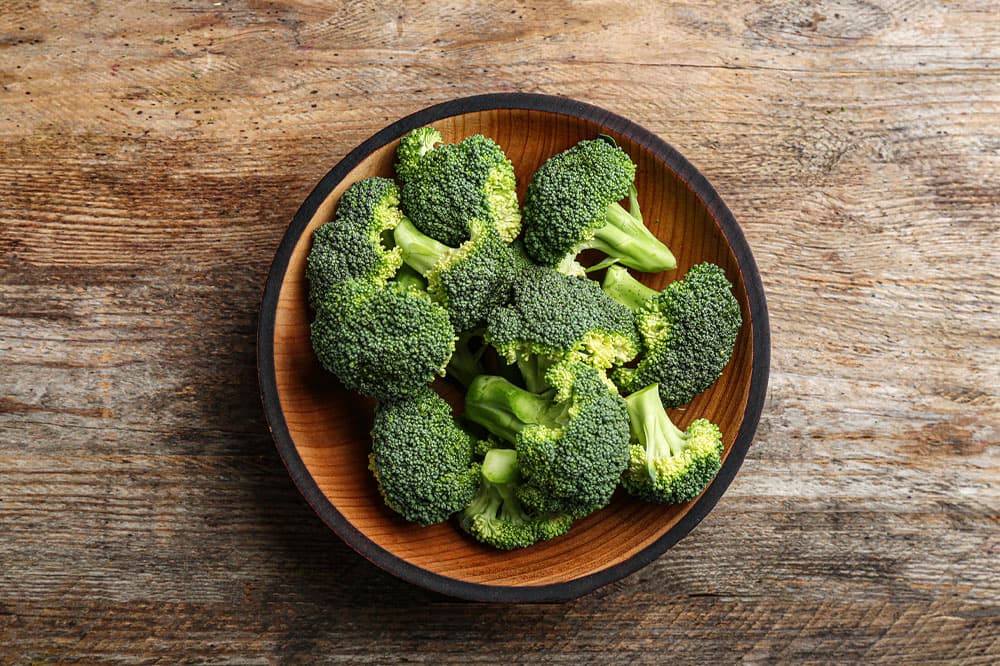
Ulcerative colitis is a condition that can cause inflammation and sores in the digestive tract. Further, it significantly affects the colon – the innermost lining of the large intestine. While this health condition can be painful, in rare cases, it can also become life-threatening. So, healthcare professionals suggest patients stay away from potential triggers, especially certain foods. This article will elaborate on the 11 foods that can trigger ulcerative colitis. Broccoli While cruciferous vegetables such as broccoli are considered beneficial for the body, they can be harmful for patients with ulcerative colitis. Generally, such vegetables contain high amounts of insoluble fiber. Moreover, when consumed either raw or cooked, these cruciferous veggies can trigger gas and bloating. So, in addition to broccoli, it is suggested that people with digestive issues avoid adding cabbage, cauliflower, and sprouts to their meals. Beans Quite similar to cruciferous vegetables, beans are rich in fiber, which can lead to problems like bloating and gas, thus triggering a flare-up. Therefore, healthcare professionals recommend eliminating beans from one’s meal plan to manage ulcerative colitis. But, in cases where patients cannot steer clear of it, they must try different preparations and limit the intake. For instance, one can remove the outer layer of chickpeas to ease the digestion process. Corn Corn or corn kernels are known for their health benefits such as managing blood sugar and regulating bowel movements. However, these kernels contain insoluble fiber that cannot be digested by the human body and can cause issues like diarrhea. So, as an alternative, it is suggested that patients with ulcerative colitis or ones experiencing an active flare-up opt for easily digestible foods such as bananas, potatoes, and white rice. Chocolate The prominent ingredients of chocolate are caffeine and sugar, both of which can trigger an ulcerative colitis flare-up. In most cases, patients have noticed that these ingredients cause cramping and increase bowel movements. Therefore, those experiencing an active flare-up or living with the condition must stay away from chocolate. Cake Food items such as cakes and pastries often contain high amounts of added sugar, which can trigger flare-ups. When one eats such foods, the added sugar can change the balance of gut-based bacteria and cause inflammatory bowel disease-like symptoms. In addition to this, the processed or refined sugar found in such food items can spike blood sugar levels and cause an increase in inflammation. As a result, people with ulcerative colitis are advised to opt for alternative foods such as cantaloupes and other cooked fruits. Peanuts Just like high-fiber foods, peanuts and other nuts in their raw form cannot be broken down well by the digestive system. This can cause patients to feel a sense of discomfort during both digestion and bowel movements. Besides, nuts are allergens that can trigger a response in some people, so, it is best to steer clear of this food item. Nevertheless, if one wishes to eat peanuts, they can ground them into smooth butter that can be added to smoothies. Raw onions Raw onions are one of the common foods that can trigger ulcerative colitis as they contain fiber that cannot be digested easily. Additionally, these veggies can cause gas, which can lead to stomach pain in some people. As an alternative, one can opt for other herbs such as basil, thyme, and parsley to add flavor to their meals. If needed, one can even cut onions into small pieces and cook them thoroughly to reap the maximum benefits of the food. Tomatoes Even freshly picked tomatoes are acidic in nature, which can irritate the intestinal lining. Moreover, tomato seeds can prove to be incredibly difficult to digest for ulcerative colitis patients. So, one can either limit the intake of tomatoes to half a cup or opt for other alternatives, such as squash, which can be consumed in the form of soup. Coffee The main ingredient of coffee – caffeine, is a stimulant that can make way for problems such as abdominal pain and diarrhea. Furthermore, coffee has chlorogenic acid, which can lead to an increase in the production of stomach acids and cause heartburn. In addition, if one is used to having large amounts of coffee throughout the day, it can leave one dehydrated, worsening the symptoms of the condition. Therefore, it is best to avoid such triggers that can cause an ulcerative colitis flare-up. Alternatively, one may peel off the outer layer of cucumbers and squash and prepare a healthy snack option. Soda Most carbonated beverages such as soda contain high amounts of artificial sweeteners – a definite ulcerative colitis trigger. Additionally, they contain caffeine, which can increase bowel movements and gas and the bubbles in these beverages can also cause one to feel bloated and have cramps. So, people with ulcerative colitis are advised to keep away from such beverages that can irritate the gut lining and increase the risk of inflammation and flare-ups. Instead, they are suggested to opt for fresh fruit juices like grapefruit, oranges, and other citrus fruits to keep themselves hydrated. Milk People who are lactose intolerant can experience inflammatory bowel disease-like symptoms when they consume milk and other dairy products. This is because milk contains certain proteins called casein, which can lead to intestinal inflammation and other gastrointestinal issues, such as bloating, abdominal pain, and diarrhea. Thus, ulcerative colitis patients are suggested to either completely avoid milk and dairy products or limit their intake to keep flare-ups at bay. The above foods can trigger ulcerative colitis as well as Crohn’s disease, both of which are inflammatory conditions. However, one must keep in mind that ulcerative colitis and Crohn’s disease are different health conditions related to the digestive tract. While both of them have similar symptoms such as rectal bleeding and diarrhea, the former affects the lining of the colon, the latter causes chronic inflammation of the complete gastrointestinal tract.

A DIY auto repair project sounds like a lot of work, and while that’s true, it is also a fun activity for car enthusiasts. Besides, it is usually good to have some basic knowledge about the vehicle you own, and what better way to learn than work on DIY projects? However, there are some tips and tricks you must know when getting into some auto repair project, so read on further to learn these. Find the right spot A car project is no quick job; it needs time and patience. So, simply parking the car in your driveway and working on it will not cut it. Find the right spot for your car – a garage or the basement. If you don’t have the space, maybe a friend or kin can help you with the appropriate space. Weigh your options before committing to the job. While trying to answer these questions, also think of whether you have the time and resources to work on the car. This could take days, weeks, or months to repair. You do not need many specialized tools to do your DIY repair work, but just in case you believe otherwise, you can also speak to a nearby auto shop and ask to borrow some of the tools. They may ask for a deposit, but once you are done using them and return them in good condition, you can get your deposit back. Put your research together Now whether you are restoring your old car or working on a small problem with the new car, it is possible that someone has found a DIY solution to it. Thanks to the vast number of videos and tutorials online, you can easily find some answers on popular sites instead of going in completely clueless about the project. Also, there are some companies which offer repair manuals, so that may be a good place for you to start looking for information. If that is not enough, there are several mechanic forums available online which are likely to have advice on auto repair. Some may even ask for an access fee, but that’s nothing compared to the amount you will save by doing the repair job on your own. See what works well for you and go ahead with that option. Also social media today is also a great resource finder. Finding relevant groups on these social networking sites might help you a great deal. Shop efficiently One of the reasons why you chose to do a DIY project, apart from it being fun, is to save some cash. So shopping from the right place is absolutely crucial. Some things which may cost close to $500 at your local auto repair shop may be available for almost half the price online. When you are putting your research together, one of the things to put a database on also includes finding the right seller for the parts that you may need. Once you’ve got your pre-action resource kit, that’s when you actually dive into the process. Put labels and sticky notes By this time, you have probably studied your car several times and already know where all the parts go, how they are positioned, and so on. But here’s the catch, this repair work will probably take weeks, and retaining all that information will be difficult. It is advised that you document your process with the help of videos or photos. This is crucial because when you do start to put things back together, you will need all the help you can get. These photos and videos with references and any commentary will help make sure everything is in order and no new issue crops up. You can even label the removed parts to know what is what. This may seem like a tedious task, but you’ll thank yourself later for this process. Stay patient A small mistake can potentially dismantle the whole project. There are many parts to making a car, and all these nuts and bolts need to be dismantled and put together carefully. Some excess pressure here and there can put them in a lock, which only a professional mechanic may be able to take out. Also, these small setbacks can easily set in fear in some people. That said, don’t let the machine overwhelm you. If you believe you can fix the problem and have done your due diligence, don’t give up on minor complications. Go back to your research, repair guide, videos, and even check with a trusted, experienced friend who can help you. Diagnosing and repairing some issues Here are some examples of how you may want to check for some issues: Check for the engine light; you can buy the right tool, like an OBD-II scanner, which reads error codes, and can help you identify the underlying issue that is triggering the check engine light. Pay specific attention to any unusual noises that you encounter. For example, if any part is rattling, grinding, or squealing, it needs immediate attention. These noises indicate a problem with the engine, the brakes, or even the suspension. Keep your eyes and ears open. Common leaks to check would include an oil leak, brake fluid, or a coolant leak. Another important hack to know is how to keep your headlight or taillight repaired. These are important for visibility and often can fuse out, so knowing how to fix them can be one of the first small wins for you. Same for other items like windshield replacement or fuse replacement. Some crucial tools to keep on hand may include things like a socket set, torque wrench, multimeter, and a jack and jack stand. Most of all, always be extra careful when working with tools, and if possible, have some company with you in case you are working on anything which may need two sets of hands; don’t be shy to ask for help!

Hyperkalemia is characterized by increased potassium levels in a person’s bloodstream. For optimal health, maintaining adequate potassium levels is essential. Managing hyperkalemia by following a nutritious meal plan can help with this. As hyperkalemia can be deadly, it must be treated immediately after being diagnosed to prevent its symptoms. Below is a list of some of the nutritious foods that have helped lower potassium levels and some potassium-rich foods to avoid for managing hyperkalemia. Hyperkalemia Potassium is an essential nutrient, but excess potassium in the body can lead to conditions like hyperkalemia. It can cause serious heart problems, so it is crucial to be familiar with all the details of the conditions. Hyperkalemia symptoms are typically mild and non-specific and thus easy to miss. Muscle weakness, tingling, nausea, and numbness are the usual symptoms of the condition. When the potassium levels are high, one may experience shortness of breath, chest pain, and heart palpitations. Since sudden hyperkalemia can be life-threatening, it is better to seek immediate medical care if the symptoms arise. Causes of hyperkalemia One of the most prevalent reasons for hyperkalemia is kidney disease. The kidneys are tasked with the job of balancing electrolytes, including potassium. The kidney can compensate for high amounts of kalium when its functioning is only moderately impaired. But in the late stages of kidney disease, the kidney may lose this ability. Some drugs may interact with kidney functioning in such a way that it leads to inadequate removal of potassium. Another common cause is eating too many potassium-rich foods like cantaloupe, orange juice, bananas, honeydew melon, or other supplements. Less common causes of hyperkalemia include uncontrolled diabetes, Addison’s disease, and severe injuries or burn that cause the body to release extra potassium. The nutritional regime for hyperkalemia Since one of the most common reasons for hyperkalemia is the excess consumption of potassium, the best way to control it is by following a balanced meal plan. Even when triggered by other reasons like kidney disease or diabetes, modifying the meal plan is the best way to manage this health condition. Bear in mind that it is not possible to have a meal plan free of potassium, and neither is it healthy. A lot of nutritious foods contain potassium. Hence completely eliminating potassium from one’s regular meal plan may cause constipation and deficiency of several other essential nutrients. However, temporarily adopting a low-potassium meal plan is ideal. The following tips can help a person follow this: Avoid foods with the high potassium content It is best to avoid canned vegetables since they contain more salts than necessary and hence may increase potassium content in the blood. Fresh fruits like bananas, grapes, kiwis, mangoes, apricots, and dry fruits like plums, papaya, and raisins have high potassium content. Also, avoid spinach, butternut squash, potato, sweet potatoes, avocado, beetroot, eggplant, cereals with bran, and nuts like pistachios. It is important to control the intake of milk, yogurt, nuts, fish, and chicken. Fruit juices tend to contain artificial salt that is rich in potassium. So try not to drink more than 150 ml of fruit juice a day. Reducing potassium from food If one regularly consumes the foods mentioned above, eliminating these entirely may not be possible. So, one must try to reduce the amount of potassium intake. First and foremost, learning about foods and their nutritional values is important. It is helpful to be aware of the potassium content in foods. A person suffering from hyperkalemia should consume only 2,000 milligrams of potassium a day (as opposed to 2,600 to 3,400 milligrams recommended for a healthy adult). Potassium content from canned foods can be reduced by draining the water. In fresh vegetables, leaching is ideal. This process involves soaking vegetables in water and cooking them in 10x more water than vegetables. Wash the leached vegetables in cold water. Avoid large servings of tomato in all its forms (soup, sauce, puree, juice, etc.). Also, avoid foods like licorice, strong coffee, and chocolate. Foods to manage hyperkalemia Apart from steering clear of some foods, including foods low in potassium in one’s meal plan is important. Consider lean meats, shrimp, or eggs for proteins. Cauliflower, alfalfa sprouts, asparagus, green beans, broccoli, cabbage, cucumber, white mushroom, zucchini, and carrots are ideal vegetables for people with hyperkalemia. Turn to high-fiber grains instead of those with bran. Blackberry, blueberry, cranberry, peach, grapefruit, apple and apple sauce, cherry, strawberry, tangerine, and pears are fruits that are low in kalium. Treatment for hyperkalemia More often than not, a low-potassium meal plan is an ideal solution for hyperkalemia. But there are other alternative treatments. One’s healthcare provider will also likely modify the prescriptions apart from giving a person a meal plan with low-potassium foods. They might also ask a person to take specific pharmaceutical preparations to help the body eliminate extra potassium efficiently. These could be diuretics that make the kidney produce more urine, through which potassium is typically expelled from the body. Doctors may recommend certain prescription treatments for hyperkalemia. However, the same is not used for children and is usually more commonly prescribed when the potassium build-up is severe. Consult with the healthcare provider One must always make modifications to the meal plan with the help of a nutritionist or a general practitioner. Firstly, if hyperkalemia is comorbid with other conditions, it is important to understand which foods will impact one’s health adversely. It is also possible that food is not a cause of this condition. If the reason is an underlying condition like diabetes, the meal plan must be low in potassium and carbohydrates. But if the cause is kidney disease, one must limit sodium, calcium, and phosphorus. Doctors are better equipped to create a meal plan that will suit a person. But remember, it is important to consult with a doctor before making any changes to the meal plan or if the symptoms aggravate further.

Eczema is a common skin condition in the country. You may find the symptoms challenging to manage and alleviate without proper knowledge. The common symptoms include thick, scaly patches of raised bumps in the affected area. Understanding eczema triggers may help you handle it better. Therefore, consulting a dermatologist regarding your queries may prove beneficial. So, let’s read further about what exactly eczema is and how it can be managed by resorting to natural home remedies. What is Eczema? Eczema is a skin condition causing red, itchy, and long-lasting skin rash. Red patches can appear anywhere on the body during an eczema flare-up, including the feet, hands, ankles, thighs, cheeks, forehead, and neck. As anyone with a skin disease like eczema will attest, the condition is irritating, painful, and itchy. However, if you follow a healthy lifestyle, unpleasant symptoms may typically improve with time. What eczema looks like on different skin tones Eczema symptoms may appear different on different skin tones. For example, lighter skin tones may typically experience inflamed, red, and spotted dark pink patches, termed hyperpigmentation. On the other hand, darker skin tones may experience violet, dark brown, or ashy grey patches. As the skin heals from eczema, it may become lighter, a condition known as hypopigmentation. Which body parts does eczema affect? Did you know that the eczema-affected areas of the body may be different at different ages? Typical locations of eczema in infants and young children include: The face The exterior portion of the elbows Knees Symptoms in older children and adults are visible in the following locations: Fingers and toes Arms The back of the knees Elbow folds Even though you notice eczema symptoms as an adult, you may have had it since you were an infant or young child. This is because most symptoms emerge during the initial years of childhood. However, it rarely happens that eczema symptoms appear for the first time in adults. Six easy tips for easing eczema: Improve your meal plans Gut health affects your immune system and can deteriorate after consistently consuming excessive carbohydrates, sugar, and processed foods. However, a clear relationship exists between skin diseases like eczema and gut health. You must note the times you encounter eczema flare-ups and examine the meals you consumed before the outbreak. This will help determine if specific foods trigger skin diseases and conditions like eczema. Therefore, increase your consumption of anti-inflammatory foods to improve gut health and prevent eczema flare-ups. These foods can include turmeric, cinnamon, leafy green vegetables, seafood, beans, and lentils. Make simple lifestyle adjustments Taking a quick cool or warm bath rather than a hot one can significantly reduce eczema flare-ups. For example, a hot bath leads to dry, itchy skin and aggravates skin diseases like eczema. While washing garments, opt for natural and fragrance-free detergents. These are gentle on the skin and have a soothing effect. This is true for not just clothes but also napkins, sheets, and other accessories like gloves and scarves. Opt for natural cotton clothes instead of synthetic fibers. Lastly, check your shampoo and soap for harsh substances, like sulfates and parabens, that may worsen the burning, itching, and redness. Avoid activities leading to heavy perspiration Do your workouts cause you to itch? People with skin diseases like eczema often feel an itch when they sweat, whether exercising or sleeping under heavy sheets, due to overheating. The body uses sweat as a natural cooling mechanism, but when it evaporates, the remaining dryness and salty residue can make eczema worse. So, if you are experiencing an eczema flare-up, substitute heavy workouts with low-impact exercises or yoga. Use natural ointments Herbal ointments can naturally moisturize your skin and alleviate symptoms of skin diseases like eczema. Ointments like comfrey, plantain, and calendula salves benefit people with eczema and related skin diseases since they act as natural moisturizers. These ointments can be applied once or twice daily on dry skin, during the onset of an outbreak, and to treat active outbreaks. Also, consider applying 2% licorice gel as an eczema remedy. Lastly, sunflower seed oil has highly beneficial effects on itchy skin, reducing rashes, removing blisters, and enhancing the immune system and skin barrier function. Control the urge to scratch Scratching is an instinctual response to an itchy rash for most people. However, people with eczema and related skin conditions should avoid scratching. A technique known as habit reversal may help here. In this technique, you determine when you are most prone to indulge in a habit (in this case, scratching) and distract yourself at those times. If, when watching TV, you find yourself scratching, try engaging your hands with a stress ball, a fidget spinner, or a coloring book. You may also apply a cold compress or ice, as it will soothe the skin and prevent the itch. Maintaining a moisturizing regimen after washing and before bed is essential to keep the skin hydrated and supple. Use an apple cider vinegar Apple cider vinegar is an effective home cure for many skin diseases, including eczema. However, vinegar can injure soft tissue; therefore, it should be applied to the skin with caution. It is essential to know that vinegar is highly acidic, and so is the skin. Skin with skin diseases and conditions like eczema is less acidic when compared to normal skin. This weakens the skin’s defenses. Hence, you can dilute apple cider vinegar to neutralize the skin’s acidity. Wrapping up Skin conditions like eczema may affect both kids and adults. However, these simple tips may help manage it effectively. Modifying your daily routine and introducing healthy lifestyle changes help alleviate eczema and related skin diseases. Ultimately, maintaining healthy and hydrated skin may easily control eczema symptoms.

After the COVID-19 pandemic began, people have started taking nasal congestion more seriously, and maintaining good health has become more of a priority to many. But it is important not to let this vigilance translate to frequent visits to the doctors. Instead, one must equip oneself with effective home remedies and develop healthy eating habits. The following are 5 remedies for cold and flu and 5 foods that will help relieve nasal congestion. Home remedies for cold, flu, and nasal congestion Taking a hot shower The most obvious remedy for colds is a hot shower. Even without the flu, a warm burst of water can majorly relieve nasal congestion. Apart from washing away tiredness, inhaling the steam relieves pain and reduces pressure in the sinus, allowing a person to breathe easily for a while. If one is too tired for a hot water shower, one can use an electric facial steamer, which is more convenient. One could use a towel to cover one’s head and the steamer to increase the vapor’s concentration. Investing in a humidifier Most flu-causing viruses thrive in cold, dry environments. And humid air helps soothe irritated nasal tissue. Hence, nasal inflammation can be reduced by using a humidifier or cool-mist vaporizer. Humid air also thins mucus in the sinuses and allows them to drain quickly. This health remedy is beneficial when the air is more dry in the winter season. A similar effect is produced when one takes a long hot water bath. Ensure to regularly change the water in the bathtub or humidifier to prevent fungi and mold from growing. The effects can further be stimulated by adding essential oils like eucalyptus. Menthol Congested airways often dissolve when brought into close contact with menthol. Menthol is a compound from mint plants and contains antibacterial and pain-relieving capacities. Many vapor rubs contain this ingredient, and one can also use menthol essence in a humidifier. Menthol inhalation reduces coughing that is caused by environmental irritants and is effective in clearing congested sinuses. Menthol, eucalyptus, and camphor can all help improve sleep as well. Sleeping right Nasal congestion often worsens at night, and thus sleeping well becomes difficult. Elevating the head can help reduce nasal congestion, so sleep with an extra pillow under the head/neck. Though it might seem like an awkward position, it can help a person sleep better, at least temporarily. Due to gravity, the mucus tends to pool or back up and not drain when one lies flat. Adding a cool-mist vaporizer to the bedroom can help thin the mucus and relieve blocked sinuses. Getting enough rest A cold or flu exhausts a person, and it is interesting to know that it is not the pathogen but rather one’s immune system that makes one tired. However, when one understands this, it is a short leap to say that rest can help one’s body gain energy to fight off the infection. Take at least a day off work and relax with a television series or soothing music. Remember to pile on the blankets and stay cozy. One can also try a warm compress to help loosen the mucus in the sinuses and breathe easier. Trying garlic Despite its pungent smell, garlic is good to get used to for its cold-fighting capabilities. It contains a compound called allicin that has antimicrobial properties, which can reduce the severity of flu and cold symptoms. It is easy to incorporate into one’s daily meal plan as it is a perfect ingredient for various raw, roasted, pureed dishes, etc. Additionally, garlic also helps to improve heart health. Trying honey Honey is one of the best sweeteners with a variety of antimicrobial properties. It allows the body to fight pathogens related to colds and flu. It is good to have honey to prevent it even before one develops a cold. And it is also beneficial when one does not have a cold to promote overall health and improve immunity. Stir a spoonful of honey into a cup of warm water or tea for extra flavor or to soothe the throat. The warm water also helps loosen mucus and relieve nasal congestion. Having chicken soup Chicken soup is hailed as a cure-all in several households. Chicken soup provides relief when one has cold, flu or nasal congestion. When hygienically prepared at home, this hot soup, rich in nutrients, helps relieve a sore throat and stimulates nasal clearance. The protein from the chicken and vegetables provides energy to recover faster. Chicken soup has the ability to slow down the white blood cells so that they can concentrate in areas of the body that need to be healed. Adding in wholesome vegetables can also help a person regain strength faster. Low-sodium chicken soup is also a great choice to keep a person hydrated and nourished. Keeping the body hydrated The body loses a lot of water when a person gets a flu or cold. Hence, it is important to consume fluids to keep the body hydrated. Gargling with warm water and salt can help remove pathogens in the throat. Adding astringents to the mix can also help reduce the irritation in the throat. It is best to drink steaming hot liquids to soothe the inflamed membranes in the nose and throat. Hot herbal tea or honey can be mixed in warm water to soothe the nose and throat. Do not drink scalding water since it can further worsen the symptoms. Having ginger Ginger is another spice that is perfect for clearing nasal congestion. One can chew a few thin slices of fresh ginger or boil some pieces in water as tea to soothe the throat. It also helps relieve other health conditions’ symptoms. Additionally, ginger can reduce the nausea that accompanies the flu. Fresh ginger has anti-inflammatory properties and can boost immunity and restore health faster.

A healthy lifestyle is the first step toward ensuring overall well-being. This requires prioritizing health even amid busy schedules. However, approximately two in five adults in the country are dealing with high cholesterol. Here, a meal plan comprising all essential nutrients, combined with an active lifestyle, plays an integral role in preventing diseases. So, here are some healthy, easy-to-make snacks that one can add to their daily meals when dealing with high cholesterol: Tofu and vegetable sandwich Studies have shown that having about 25 grams of soy protein a day can lower LDL cholesterol levels by 5 to 6%. Tofu, which is made of soy, is an excellent vegan source of protein and can help provide the body with the required energy levels. Moreover, vegetables like carrots, broccoli, and Brussels sprouts are rich sources of soluble fiber, which aids digestion and has cholesterol-lowering properties. So, whole-grain bread slices stuffed with tofu, vegetables, and a few spoonfuls of lentils or sprouts make for a scrumptious breakfast that can help manage cholesterol levels. Sprouts salad In addition to being crunchy, delectable, and easy to prepare, sprouts are packed with proteins, iron, vitamin C, folate, magnesium, and other essential nutrients. A regular intake of sprouts can help lower LDL cholesterol levels and manage blood sugar. One may prepare a salad comprising sprouts they like (sprouted black beans, kidney beans, moth beans, and black-eyed beans) and salad vegetables (i.e., carrots, cucumbers, and chopped spinach). An olive oil dressing can enhance the salad’s flavors and increase its nutritional value. Oatmeal and nut cookies Loaded with soluble fiber, iron, amino acids, zinc, and selenium, oatmeal is the perfect way to start the day. Further, tree nuts like almonds and walnuts are rich in omega-3 fatty acids, which help lower bad cholesterol. So, delicious oatmeal and nut cookies can serve as perfect healthy snacks to lower cholesterol and are great alternatives to processed and deep-fried foods. One should avoid using refined flour to bake the cookies, replacing it with whole wheat flour (when not intolerant or sensitive to gluten), almond flour, coconut flour, or buckwheat flour. Chopped dates or figs may be added as natural sweeteners to replace refined sugar. Fruit salad Fruits such as apples, grapefruits, bananas, oranges, and cranberries are great sources of pectin, which can lower LDL cholesterol levels by up to 16%. So, a bowl of assorted fruits, including seasonal ones, can replenish the body with vital nutrients and help prevent and manage high cholesterol. Unsalted popcorn Contrary to popular belief, popcorn is a fiber-rich snack low in calories and ideal for people with high blood cholesterol. However, store-bought popcorn typically contains large amounts of salt, butter, and spices, making it highly processed and unhealthy. So, one should try to make plain popcorn at home and enjoy it as an evening snack or while watching a series on the weekend. Baked eggplant chips Eggplants are rich in chlorogenic acid, an antioxidant that has been shown to lower LDL cholesterol levels. Baked eggplant chips are excellent alternatives to deep-fried chips, especially when served with a delectable dip containing Greek yogurt, garlic, and sliced cucumber. Here, one can drizzle extra virgin olive oil on the eggplant slices and bake them for approximately 20 minutes or till crisp and golden. Vegetable fingers and hummus Chickpeas are rich in fiber and polyunsaturated fats and low in sodium, being the best healthy snacks to lower cholesterol levels. Hummus is a great way to incorporate chickpeas into the meals. Moreover, diced vegetables like carrots and cucumbers served with hummus as a dop can make for a filling and scrumptious snack for managing cholesterol levels. Avocado toast Avocado is rich in monounsaturated fats and several nutrients, including folate, niacin, magnesium, vitamins, and potassium, which can help lower cholesterol. Further, studies have shown that two servings of avocado per week can reduce the susceptibility to heart problems. Owing to its buttery taste and texture, avocado can be spread over toast to make for a filling and nutritious snack or breakfast option. However, one must remember to prepare this toast using whole-wheat or multigrain bread instead of white bread. Roasted fox nuts Fox nuts are packed with potassium and healthy carbohydrates, which can help control triglyceride and cholesterol and prevent cardiovascular diseases. Roasted, unsalted, unspiced fox nuts are healthy munchies and suitable replacements for processed snacks like chips and baked desserts. Boiled sweet potatoes According to research, sweet potatoes can lower LDL cholesterol levels and reduce the risk of heart problems. Sweet potatoes are rich in nutrients like vitamin A, vitamin C, beta-carotene, and potassium. So, boiled sweet potatoes with a dash of lime juice and without salt or spices can be a healthy, filling snack option for those with high cholesterol. Boiled sweet corn A study published in the Journal of Nutritional Biochemistry suggests that corn husk oil can help keep cholesterol levels in check and prevent heart conditions. Further, corn can also help manage levels of carbohydrate, protein, and lipid metabolism in the body. Boiled, unsalted sweet corn is the perfect snack for people with high cholesterol. One may season this snack with a dash of lime juice to increase its palatability. Baked barley chips Barley contains a soluble fiber called beta-glucan, which helps lower cholesterol levels. It also contains several essential vitamins and minerals, making them healthy alternatives to deep-fried chips. However, these chips should be baked with little to no spices and salt. In addition to incorporating these healthy snacks into daily meals, one should adopt certain healthy lifestyle practices, such as avoiding processed and store-bought foods, exercising regularly, and staying hydrated. A sedentary lifestyle can increase the risk of high cholesterol and heart problems. So, one should set reminders to move about and stretch for at least 5 to 10 minutes every hour and walk every day to manage cholesterol levels effectively.

Beverages like coffee, tea, juice, and sugary foods can take a toll on a person’s oral health. They leave behind stubborn yellow stains on the teeth, a condition known as teeth discoloration. Brushing your teeth and going for periodic dental check-ups may not be sufficient to eliminate these stains. This is where whitening toothpaste and whitening kits come into play. Read on to learn about the best options and how they keep your teeth safe. Why consider teeth whitening products? Teeth whitening products are great for improving the shine of your teeth. Many people use them, thanks to their easy availability and cost-effectiveness. These products use unique techniques to improve the appearance of the teeth, such as gel trays, teeth whitening strips, and even whitening toothpaste with special formulas. As a result, achieving a bright smile and preventing teeth damage is now easy. Two common ingredients in teeth whitening products are hydrogen peroxide and carbamide peroxide. They minimize or eliminate the appearance of stains and discoloration of your teeth. Best teeth whitening products We have listed the best teeth whitening toothpaste, kits, and products below. Remember that most of these work best on clean tooth enamel surfaces, free of debris. So, brush and floss your teeth before using them and enjoy a dazzling smile. Active Wow Teeth Whitening Charcoal Powder If you are looking for a natural and sustainable alternative to the chemical whitening process, consider Active Wow Teeth Whitening Charcoal Powder. The product has three major ingredients: charcoal powder, bentonite, and orange seed oil. The charcoal content pulls out tough stains, while the unique clay bentonite helps remineralize your teeth. To top it off, orange seed oil provides anti-inflammatory benefits while aiding in removing cavities. Apply the powder correctly, and you will see results after a few uses. Rio Smile White Advanced Teeth Whitening Kit Get ready for brighter, whiter teeth with the Rio Simple White Advanced Teeth Whitening Kit! This revolutionary kit targets deep stains directly and safely removes them from your pearly whites. Its blue-light activation technology makes sure your enamel and gums are not damaged. Within a few treatments, your teeth will be free of stubborn discoloration. Crest 3D White Whitestrips With Light Looking for a whiter smile? Crest’s 3D White Whitestrips are revolutionizing home whitening treatments with breakthrough blue light technology. With just one hour of wear and ten minutes of additional exposure to the special light, you can see your teeth become brighter in only ten days! Hydrogen peroxide penetrates deeper with this innovative treatment, giving long-lasting results (up to 36 months even after discontinuing use). So, get ready for that glowing grin! Spotlight Oral Care Teeth Whitening System Set Spotlight Oral Care Teeth Whitening System Set is the key to a dazzling smile. It provides the best of both worlds—whitening toothpaste and strips. The toothpaste contains hydrogen peroxide, while the strips work to eliminate teeth stains and ensure extended results. Wear the strips on dry teeth for an hour every day. After two weeks of treatment, you should notice a significant improvement and enhanced confidence in your smile. GLO Science Brilliant Personal Teeth Whitening Device This teeth whitening device will revolutionize how you whiten your teeth. It is fast and easy to use, providing professional results right in the comfort of your home. Thanks to its rechargeable mouthpiece, traditional whitening trays are no longer necessary. The best part is its efficient blue LED light technology, which provides quick results after each use. The package includes a travel bag, a USB power plug, a charging dock, lip care balm, a mouthpiece, vials of whitening gel, and a case with a controller. REGENERATE Enamel Science Advanced Toothpaste This whitening toothpaste is one of the most effortless solutions to widen your smile, given that teeth-brushing habits fall into your daily routine anyway. The consistency of the product makes it work its best and leaves you with a minty fresh breath. The NR-5™ technology patented by the brand is recognized for recreating the mineral content of the tooth enamel, which prevents erosion and cavities. Slowly and steadily, you will get a picture-perfect smile and teeth free of sensitivity. Snow Teeth Whitening Kit With LED Light Snow Teeth Whitening Kit removes dark stains effectively in a short span. It consists of a whitening gel and an LED light piece safe for sensitive teeth, crowns, veneers, braces, caps, and bridges. The LED light stimulates the whitening gel to remove the stains discoloring your pearly whites. Moreover, the kit’s vegan and cruelty-free ingredients make it environmentally friendly. Besides providing instantly whiter teeth, it helps you save time and money, avoid dentist visits, and go eco-friendly. Moon Activated Charcoal Whitening Toothpaste Moon Oral Care’s whitening toothpaste is formulated without fluoride (a chemical teeth whitener). It is known for using natural ingredients and extracts, including green and black teas, camu camu, cranberry, sea salt, tea tree oil, coconut oil, ginseng, and peppermint oil. This blend of ingredients freshens your breath, whitens and brightens your teeth, strengthens your gums, and promotes a healthy-looking smile. Hismile Teeth Whitening Kit People with sensitive teeth can find relief with the Hismile Teeth Whitening Kit, which uses phthalimidoperoxycaproic acid (a bleaching agent) as its primary ingredient. Unlike other peroxides, this kit’s contents, like glycerin and chamomile extract, offer a gentle and smooth experience. Easy-to-use syringes dispense gel into the tray while an accompanying blue LED light seals in maximum results. The effectiveness of teeth whitening toothpaste and kits will vary for each person, as every individual’s situation and desired level of whiteness can differ. With so many options available today, choosing one product can be difficult. So do further research to determine which teeth whitening toothpaste, product, or kit will most benefit you. It is also essential to take necessary precautions and consult your dentist before using any product.