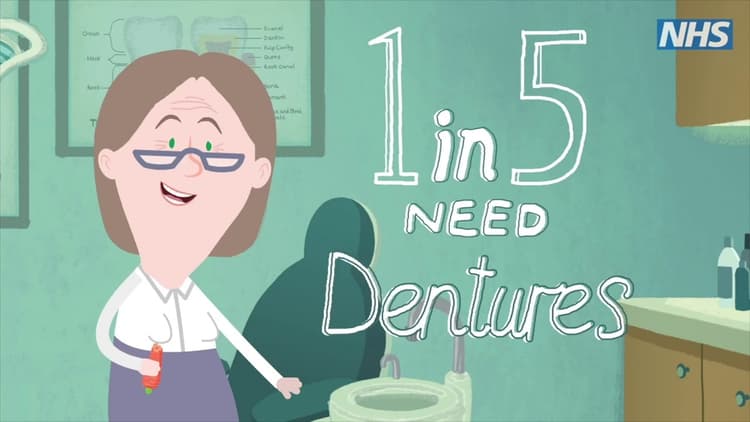
Dental implants are the best way to replace missing teeth, but there are certain things that one should avoid after getting the procedure. The gums are delicate after the surgery. Many patients return to the dentist because of a post-surgery injury caused by a particular food item. Apart from following proper oral hygiene, it is also essential to watch out for certain foods to protect the implants. What are dental implants? Dental implants are artificial tooth roots that replace missing teeth. They are made of titanium and surgically placed in the jawbone, replacing your natural tooth with an implant that looks, feels, and functions like a real one. The implants can replace single or multiple teeth in both the upper and lower jaws. The procedure involves placing an implant into your jawbone behind (or below) the remaining healthy natural teeth so they can support new ones when needed later. List of foods eat after dental implants Macaroni and cheese This food is both tasty and filled with carbohydrates and fats, which can curb your cravings. It can also satiate your hunger pangs. Eggs Eggs, soft-boiled or scrambled, or plain omelets are suitable for your teeth and serve as a daily dose of protein. Pancakes Pancakes, soft and topped with maple syrup or honey, are one of the best foods you can have soon after your dental implants. Soups Soups are a great way to get all the nutrients your body needs, including vitamins and minerals. Vegetable or chicken soup is an excellent choice because it has many different flavors that come together in one bowl. Mashed potatoes The mashed potatoes can give much-needed moisture throughout the day because they contain salt, which helps balance out what goes into our bodies. Mashed Bananas Bananas are rich in potassium and many mother minerals. Soft mashed bananas are easy to swallow and also taste good. Moreover, they provide enough energy to keep you going for a while. Oatmeal Oatmeal is a wholesome food that is a staple breakfast option. Soft, milk-soaked oatmeal can be relished after surgeries as they nourish the body and prevent straining the gums. List of foods to avoid after dental implants Hard and sticky foods After surgery, the gums are sensitive and susceptible to damage or infection. Make sure you avoid hard and sticky food items like caramel and peanut butter, candies, and cookies to prevent irritating the area that can cause pain or irritation. Try softening some food with water before eating it. This will make it easier for your mouth to digest without adding extra pressure to your new tooth structure. Taffy and chewing gums are chewy and sticky on the teeth, which can cause injury and strain to the gums. Crunchy and dry food items This includes nuts, seeds, dried fruits, vegetables like celery stalks, carrots, and cucumbers, and hard candy, such as licorice and chocolates. Acidic foods Avoid acidic foods such as tomatoes or citrus fruit, especially acidic fruits such as oranges, lemons, limes, and lemonade (the juice). Citrus juice contains citric acid, which may erode dental implants over time if ingested regularly! Sodium-rich foods Avoid salty foods like processed meats and fatty foods like bacon bits or fried chicken nuggets – they will leave an unpleasant taste in your mouth. Salty foods can cause swelling in your mouth, making it difficult for you to chew. It’s also essential to avoid sweetened drinks like soda or juice because they can cause tooth decay over time if they are not consumed in moderation. Spicy foods Spicy dishes, such as curry, and fried foods, should be avoided because they may cause swelling of the gums around your teeth. Coffee Coffee is a diuretic, which can cause your body to lose water. This can lead to swelling, pain, and discoloration of your gums due to dehydration. Milk tea This drink contains caffeine, which can irritate your mouth if you have dentures in place. It also contains lactic acid bacteria that could cause infection in the implant site if left untreated. Switch to alternatives if necessary. Crunchy nuts These are high in sugar content and should be avoided immediately after dental implants because they may get stuck between teeth, and the debris buildup from chewing them may lead to damage at the surface of implants causing the tooth condition to worsen over time. Jerky meat It is best not to eat jerky because it is loaded with high amounts of salt & preservatives, which can make you thirsty and dehydrate your body even more than usual. If you are craving meat, look at different cooking options, like chicken soup or mashed nuggets. Steak Steaks and other red meat varieties can be chewy and potentially damage or injure the new implants. Therefore, it is advisable to steer clear till the implants are healed. Ice creams This is not necessarily a food you should avoid after dental implants but more so something to consider before getting them placed. Ice creams are high in fat and sugar, which can cause plaque buildup on your teeth and lead to tooth decay. So make sure you brush your teeth after eating ice cream to prevent the aftermath conditions. After dental implants, it is essential to follow a healthy meal plan. It may take a while before you can eat your favorite foods again, but with proper care and attention to your oral health, this should not be an issue. There are many reasons one should eat well after getting dental implants. It helps prevent disease, maintain good oral health, and help repair gum tissue if necessary. If you still experience pain after the dental implant procedure, make an appointment with your dentist at the earliest. This may mean that you may need to have the implant replaced or adjusted. Ignorance can worsen the dental condition, leading to further complications,

Transforming your backyard can be an exciting project. You could create a hangout spot, install sculptures, or even add a garden. However, adding plants to a backyard can require considerable time and effort. If you are taking up gardening for the first time, you do not want to miss key steps that affect the look of the space. So, to help you get started, here are a few gardening mistakes and how to avoid them: Planting excessively You may spend immense amounts of time scrolling through seed catalogs and looking forward to fresh vegetables and sometimes can end up planting too much. A big garden may require a lot of effort and can become overwhelming. So, if you have just taken up gardening, start small. First, shortlist your five favorite vegetables and herbs, and grow them. As you have some success with these plants, introduce new seeds to the space to gradually expand the garden space. Planting too early Seeds require an optimum temperature to sprout and grow. If some seeds thrive in warmer temperatures, the yield may freeze and die if you try to grow them in spring. The seed may also rot without sprouting. So, you must check what climates are suitable for each type before spreading them across the garden. One of the best ways to avoid planting earlier than required is to buy a good soil thermometer and note the usual first and last frost dates in your area to avoid this period for starting a garden. Overlooking the soil type Another mistake to avoid is planting seeds without checking whether the soil is loamy. If your backyard does not have loamy soil—rich in silt, clay, sand, and organic matter—the seeds will get sufficient nourishment, and the saplings may grow weak and perish quickly. So, before you start a garden, ensure you amend the soil to make it ideal for plant growth. For instance, clay-heavy soil may need additional sand and organic matter to reduce compaction. A sandy composition may require well-rotted manure or compost to improve moisture retention and nutrients. Adding too much nitrogen Plants require nitrogen to produce chlorophyll. However, avoid adding too much of this gas to the soil, as it may make the yield leggy and leafy. The additional foliage may affect the roots and prevent them from growing and spreading at a normal rate. This may lead to the plants producing little or no fruit and becoming susceptible to damage from insects and diseases. Further, the introduction of excess nitrogen may trigger a spike in mineral salts, which could make the plants look sunburned. So, if you have just started tilling the soil for your garden, ensure that you add nitrogen based on the plant’s requirements. You can speak to an expert or contact a nursery about how much nitrogen to introduce to the soil for a particular variety of seeds. Underwatering the soil Planting seeds and fertilizing the soil are the first steps in building a garden. You also need to water the patch regularly to ensure the seeds sprout and grow well. Failing to water the garden, especially in hotter temperatures, can lead to the plants not getting enough nourishment. One way to check whether the garden needs to be watered is the finger test. If the garden is loamy, stick your finger 2 inches into the soil; if it feels moist, it does not need to be watered. For sandy soil, follow the same princess but go two inches lower. With clay, if the fingers cannot easily move 2 inches into the soil, it may require water. Overwatering the soil Adding too much water to the soil can also affect the growth of plants. The excess water could end up waterlogging the roots, which may prevent them from getting sufficient oxygen. If you see plants starting to wilt, it could be a sign of overwatering. Further, many plant types may wilt in the daytime and revive when the temperature gets cooler in the evening; here, you do not need to water them. One of the best ways to avoid overwatering and improve root growth is by watering deeply but less often. Choosing the wrong type of plants While certain types of plants may look good or bear fruits that you enjoy, they may not thrive in your region. So, before you choose seeds for your garden, you should consider a few factors: – Check the hardiness zones so that you can plant seeds that thrive in your area. – Plants that require lots of moisture may not grow well in areas prone to droughts. Further, plants that do not require lots of water may not thrive in a region where it rains regularly. – Seeds that have a long maturation date may not grow and produce well where the shorter gardening seasons. Not hiring a professional Another error you could make is not hiring a professional to help you with your gardening needs. As it is your first time trying to create a garden, seeking the advice of an expert or hiring one to do the job could help you learn about the process. Further, it is essential to look for reliable gardening contractors in your area, as they would be well-versed in aspects like soil requirements, climate, and types of plants that could grow in that region. Top providers, like TruGreen, earlier known as ChemLawn, offer services in most states, so you can find a professional near you. The company offers services such as root zone fertilization, insect and mite control, and disease control. TruGreen also provides handy services, like fertilization and weed control, through its lawn care packages. The company also has expertise in mosquito control and prevention to help you enjoy spending time in your backyard in the summer. You can explore everything there is to know about the brand and look for quotes on its official website.

Most people with bad credit scores often struggle to get a loan. At first, it can be quite frustrating. Fortunately, today various lenders may offer loans ranging from $500-$5000 or above for bad credit. It can make things easier for individuals with poor credit scores. Nevertheless, one must be careful while taking out such loans. Hence, here are some important things that one must keep in mind during the process. Things to consider while taking out bad credit loans Keep an eye out for the best deal In most cases, bad credit scores mean unfavorable terms for the borrower. However, this is not always the case. Some lenders can provide individuals with better negotiation terms and rates. So, to make the best of these bad credit loans, one must conduct thorough research and find lenders that can meet one’s requirements and preferences. Furthermore, one must look for the best deal with the most favorable terms. It includes transparency about the interest rates and additional fees. Besides this, one must carefully read through the document. Then, the final decision can be made based on all the information provided in it. Focus on the needs, not luxury While it can seem tempting to take out a loan to buy luxurious items, it cannot be considered a wise investment. So, one must always consider all the needs and take out the loan accordingly. If one finds this hard, try to make things easier by setting a clear budget that specifies all the needs that must be met. Although refraining from temptations can be tough, prioritizing one’s needs over luxuries and other irrelevant items can aid one in managing finances without falling deep into debt. Consider having a co-signer Sometimes, if a borrower has a bad credit score, it can become challenging for them to take out a bad credit loan all on their own. In such cases, asking a trusted family member or a friend (preferably a person with a good credit score) to act as the co-signer can be beneficial. It can help one get loans on better terms and even a lower interest rate. But in such circumstances, one must remember that if one can’t repay the loan, the co-signer immediately becomes responsible for repaying it. So, before making the final decision, one must have a solid loan repayment plan in place. Additionally, one must make sure to inform the potential co-signer about one’s financial situation in detail so that they can make an informed decision. Know all the lending terms and conditions Typically, all credit institutions and lenders have a set of lending terms and conditions that the borrower must meet and agree upon. In most scenarios, this must happen before one signs up for the loan. Unfortunately, most people do not read through these terms and conditions carefully as they find it difficult to understand the technicalities and the jargon used in the document. However, these terms mention the necessary details of the loan, such as the debt amount, frequency of payment, the agreed rate of interest, and the implications of default payments. So, it’s important for borrowers to read the terms and conditions carefully before taking out the loan. Things to avoid while taking out bad credit loans Borrowing more than one can afford Sometimes, it can be compelling to borrow a loan amount that exceeds one’s affordability, especially if one’s financial situation isn’t good. But during such trial times, one must consider the interest that has to be paid on the loans for bad credit, particularly in cases where the amount exceeds the $500-$5000 range. Therefore, it is advised to take a closer look at the budget and one’s financial situation and realistically determine the amount that can be paid to the lender every month. If needed, set a loan limit to ensure one never borrows more than the set amount. Falling for scams In rare scenarios, issues such as a bad credit score can make one susceptible to potential scammers. So, before agreeing to the loan, one must be wary of indicators like approval of a loan without considering the credit score and fee requests before processing the loan application. It is because most trustworthy lenders and credit institutions perform a check of the borrower’s credit history and worthiness. They do not ask for additional fees until the loan is approved. Therefore, if one finds a lender that makes shady promises and requests, chances are high that they are scammers trying to take advantage of one’s financial situation. Making late payments Usually, when one’s loan request is approved, one may find the amount quickly credited to the account. While this can be convenient for most individuals, the repayments should also be made at the right time. In cases where one makes the mistake of late payments, it can negatively impact the credit score. It can worsen matters as the lower the credit score, the more difficulties one may face in getting loans. Also, default payments can hamper one’s trustworthiness, which can cause the lender to refuse larger loans. Therefore, even if the loan amount ranges between $500-$5000, one must be mindful of the abovementioned factors while taking out a bad credit loan. This way, one can avoid all the potential pitfalls and make the best of the current financial situation. Furthermore, one must remember that defaulting on loan payments can result in legal action. So, pay back the loan amount as soon as possible or contact the lender and discuss all the options. If one faces difficulty figuring out the best lender who matches one’s situation and requirements, seek professional advice or look out for various lenders online to make a well-informed decision.

Migraine is a condition that can develop in anyone, however, women are three times more likely to get it. Some may have one or two episodes a year, while others could experience more than 10 episodes a month. The symptoms and severity of an episode may vary from one person to another. Migraine usually develops as a headache, beginning on one side and spreading to the entire head or shifting from one side to another. Severe signs to recognize Moderate to severe headache, nausea, diarrhea, loss of appetite and abdominal pain, and feeling too warm or cold are also common symptoms of a migraine. These symptoms are not alarming and get better with proper treatment and rest. However, there are some signs of headaches and migraines that one should not ignore. Migraine with aura As migraine is a neurological disease, one may experience symptoms like aura, where they see halos, flashing lights, zig-zags, and blank spots. Some may even experience a temporary loss of vision. Aura symptoms typically begin within one hour of the onset of the migraine. These symptoms usually last between thirty minutes to one hour. Some may experience confusion, weakness, or paralysis. Though aura symptoms alone are not dangerous, they could indicate other conditions like stroke. One should consult a doctor or a neurologist for a thorough examination and diagnosis if they observe this symptom. Headache that does not respond to treatment If one has a persistent headache lasting more than two or three days, and if it does not respond to any treatment, it is important to consult a doctor. A migraine typically lasts between four hours to three days. But, if one does not see any improvement in the symptoms, their headache switches from one side to another, or they experience a ringing sensation in the ears, they should seek immediate help. Sudden and intense pain A migraine may have some warning signs one or two days before onset. Frequent yawning, stiffness in the neck, constipation, mood shifts, fluid retentions, and sudden food cravings are indications of an episode. However, a migraine may occur without warning and is called hemiplegic migraine. The sudden onset of a migraine can be a sign of a stroke or an aneurysm, requiring medical attention. Convulsions Though very rare, migraine with aura may trigger a seizure and usually develops within an hour of the onset of a migraine. If the convulsions last more than two minutes, or if the person loses consciousness, they need immediate help. Weakness on one side While a person may feel fatigued one or two days before the onset of a migraine, some may experience weakness in one side of the body or find it difficult to move during and after a migraine episode. The weakness can also be part of aura symptoms and usually lasts 20 minutes to one hour. The weakness disappears on its own. If one notices the weakness lasting longer, it can indicate hemiplegic migraine. This symptom, if left untreated, can lead to disability, stroke, or paralysis. Triggers and common symptoms Some common migraine triggers are exposure to flickering or bright lights for a long time, exposure to chemicals, hunger, or overexertion. Hormonal changes can also trigger migraine episodes in women. Some of the common symptoms of migraine include throbbing or pulsating pain in one side or the whole head, nausea, vomiting, constipation, sensitivity to light and sound, blurry vision, changes in vision, irritability, loss of appetite, and scalp tenderness. In rare cases, one may experience migraine symptoms like fever, diarrhea, weakness, numbness, and inability to move. Migraine is characterized by moderate or severe pain and a throbbing or pulsating sensation in one side of the head. Nausea and sensitivity to sound and light are also symptoms of migraine. An episode of migraine can last from four hours to three days. Research has revealed that abnormal brain activity triggers nerve signals and the chemicals in the brain, causing debilitating pain. One may feel depressed, angry, fatigued, anxious, or scared during and after an attack. If one is prone to frequent headaches, they should strictly follow the doctor’s prescription and resort to home or natural remedies until the worst is over. Migraines, unlike regular headaches, are generally unpredictable and may aggravate over time or develop suddenly without any warning. Seeking treatment Considering the type of symptoms that a person experiences during an episode, they may find it difficult to visit a doctor in person. Most doctors and hospitals provide telehealth or online consulting services, making it comfortable for patients to talk to doctors from the comfort of their own. Neurologists usually request migraine patients maintain a journal to record all relevant observations before, during, and after an episode. One can follow this tip and seek a migraine prescription online by sharing the following details with the doctor: Describe the pain, its intensity, and the location Tell them about the last episode and the gap between the two List possible triggers that may have caused the migraine episode. Ascertain if one requires further tests. Ask for the different treatment options and discuss with the doctor what would be suitable Check if there is something one can do to prevent another episode Ask the doctor if alternative treatments can help Get an online prescription for a migraine Get follow-up details After the discussion, the neurologist can offer a diagnosis and tips for dealing with the pain. They will also ask the patient more about their symptoms to rule out other conditions causing the headache. They will then offer a comprehensive treatment plan and an online migraine prescription. Doctors may prescribe treatments both to find relief during the migraine episode and also to prevent future episodes. One can also request the doctor to send an online migraine prescription to a pharmacy nearby so that they can deliver it home. Getting relief for migraines online is possible today, increasing the convenience of quickly treating intense pain. This also saves one the trouble of stepping out and being exposed to harsh light and sound.

The immune system makes inflammation a natural response for healing during an infection or injury. The affected area becomes swollen, and blood flow to that area automatically increases. However, the immune system may mistakenly cause inflammation without infection or injury. When such inflammation affects the joints, they become unstable and painful. This condition is called rheumatoid arthritis. This autoimmune disease can be managed with timely diagnosis and treatment options. Rheumatoid arthritis Rheumatoid arthritis, or RA, impacts each person differently. While in some, it may advance slowly over time, it may progress quickly in others. The symptoms of pain and stiffness may be persistent or flare up occasionally and be dormant for some time. RA causes pain and stiffness in the affected joints, particularly in the morning or after staying in the same position for long durations. It can also cause a lack of appetite, low BMI levels, and fatigue. In some cases, RA can cause inflammation in the chest, causing severe chest pain. Complications of rheumatoid arthritis If left untreated for a long time, the disorder can lead to immobility and other serious health issues like: Carpel tunnel syndrome Inflammation in the heart’s pericardium Sjogren’s syndrome – inflammation of the eye Inflammation in the lungs causing COPD or pulmonary fibrosis Cardiovascular diseases Inflammation of the blood vessels Cervical myelopathy Joint damage Rheumatoid nodules Common mistakes to avoid if you have rheumatoid arthritis Getting treatment from a general physician A general physical may be able to diagnose RA, but they may not have the expertise in treating the condition. Rheumatologists are specialists doctors with adequate qualifications, training, and experience in treating RA. They will be updated with the latest development in treatments that can benefit your overall health. Not learning about RA Right after diagnosis, one of the first steps for patients and caregivers is understanding the facts about RA. Rheumatoid arthritis is a common disease, and there could be a lot of myths and misinformation doing the rounds. Talk to your rheumatologist or healthcare providers to understand its impact, the treatment, and the prognosis. There will be clarity about the steps you must take and lifestyle changes you can make to slow the progression of RA. You can learn about the new findings and inventions in the treatment of RA and volunteer to participate in clinical trials. Resting for long periods Rest is an important part of RA treatment, as you can feel a lot of pain and fatigue. However, too much rest and minimal exercise can increase joint stiffness and BMI levels. Therefore, it is important to start with about 30 minutes of light exercise like walking, Tai Chi, yoga, or stretching and gradually increase the duration and intensity. You can take a break when you have a flare-up. Not taking treatment as advised Since RA is a chronic and progressive inflammatory disease, your symptoms may sometimes worsen. Visit your doctor for periodic review and follow-up. They may use blood and urine examinations and X-rays to monitor your condition and adjust dosage and treatment accordingly. Missing treatment can lead to the worsening of RA and its complications. Not giving up on pro-inflammatory foods Food triggers can cause a RA flare-up, and avoiding such foods is essential. If you have been diagnosed with RA, avoid the following foods: Grilled, fried, and broiled meat Food with trans and unsaturated fat Sugary foods like candies, cookies, and cakes Food-rich in carbs Gluten-rich foods like wheat, kamut, and spelt. Flavor enhancers and synthetic additives Not focusing on emotional wellbeing RA causes pain and immobility; if the condition is severe, you may need support from friends, family, or caregivers to help you with your daily activities. It is important to share thoughts with family and friends and communicate with your healthcare providers to prevent depression and anxiety from others. Foods to manage arthritis Healthy eating is an integral part of RA treatment. Six foods that help to manage RA include: Fatty fish Fatty fish generally have darker flesh and are rich in omega-3 and polyunsaturated fats. They help in fighting inflammation and can reduce joint pain and stiffness. Include the following fatty fish in your regular meal plans: Sardines Mackerel Salmon Snapper Fruits and vegetables Mix RA-friendly fruits and vegetables and create a healthy menu for your everyday meals. Choose the following foods that are rich in antioxidants and help in fighting inflammation: Dark green leafy vegetables Sweet Potatoes Carrots Peppers Squash Onions Garlic Leeks Eggplants Tomatoes Potatoes Berries Apples Banana Oranges Whole grains Replace refined grains with whole grains as they are rich sources of fiber and antioxidants and have anti-inflammatory properties. Whole grains suited for RA include; Oats Bulgur Barley Quinoa Amaranth Brown rice Millets Probiotics New studies reveal that there is a link between changes in gut bacteria and RA progression. Increase the intake of probiotics and prebiotics, which can improve gut health. Examples of gut-friendly food include: Sauerkraut Kimchi Miso Fermented tofu Pickled beets and garlic Greek yogurt Buttermilk Fiber-rich fruits and vegetables Calcium-rich foods Calcium-rich foods can keep the joint tissue and nearby bones healthy and help reduce pain and joint stiffness. Some calcium-rich food includes: Low-fat milk Yogurt Cheese Green leafy vegetables Soya based beverages Fortified food Almonds Sardines Pilchards Iron-rich foods Iron-rich foods can help fight fatigue, a common outcome of RA. A flare-up can cause anemia and further worsen fatigue. Iron-rich food that can help fight fatigue include: Lean meat Green leafy vegetables Peas Beans Lentils Fortified cereals Top five smoothies for joint relief Smoothies are easy to make. Choose from a range of RA-friendly fruits and vegetables and whip up a tasty and healthy smoothie to relieve joint pain. Blend a quarter pineapple, ½ mango, one peeled orange, and one carrot with ½ teaspoon of turmeric, ½ teaspoon of ginger, and water. Blend two kiwis with 100 grams of kale, one mango, one peeled orange, and water. Blend one apple, two celery stalks, ½ pineapple, and a handful of spinach with ½ teaspoon of ginger, one teaspoon of ground turmeric, and one teaspoon of coconut oil. Blend ¾ cup blueberries, one cup kale, one banana, 1-2 seedless dates, and ½ spoon nut butter with low-fat almond milk. Blend one banana, ½ teaspoon of honey, two teaspoons of matcha green tea powder, one scoop of vanilla protein powder, and one cup of low-fat milk.

You probably dream of going on a cruise ship, but before you board the vessel of your dreams, you should remember certain things to have a seamless experience. A single middle-of-the-sea mistake might make all the difference between a relaxing vacation and a trip that makes you feel like you have weathered the storm. There are several ways to make waves on your cruise vacation and you must exercise a little caution on deck. Cruise mistakes to avoid Here are nine mistakes to avoid if you want your next sunset cruise in Key West or any location of your choice to be a trip to heaven and back. Not taking precautions for seasickness Remember that you may not be immune to seasickness. Though you are likely to find this out only on deck, there are several precautionary measures you can take. These include staying hydrated, getting enough sleep before the trip, and avoiding activities like reading or staring at digital screens for too long. Sitting and standing in the same direction as the ship’s motion can help reduce nausea. Booking a cabin in the middle and lower deck, where the vessel is most stable, can also help you get a sense of balance. Also, speak to your doctor about remedies that could help you manage seasickness. Further, avoid cruises in seas that are known to be rough. Overeating Eating all day on a cruise or diving into your room’s minibar is often tempting. It is likely that your ship has several food counters and even new foods that you may want to try. You are on vacation, after all, so why would you not want to indulge? But remember that overeating could make your nausea worse or induce seasickness. Even if it is complimentary, do not try to make the most of your travel package by overeating. Players like Silversea offer several luxury indulgences on their European Cruises. But you must keep tabs on the foods and drinks you order. F&B packages may seem like a good idea, but you might be charged for each refill, and several extras could make the cost shoot up. Being rude to the crew Cruise crew members undergo a lot of hard work. Working seven days a week, often six months at a time, with no paid time off, is not something everyone can handle. On your way off board, remember to tip them to show your gratitude. Remember your “please” and “thank you,” and always be polite when asking for things. Moreover, in case of any conflict, ensure it is resolved quickly and amicably. Limiting yourself to ship-sponsored excursions Most cruises, including Silversea European Cruises and the sunset cruises in Key West, may offer ship-sponsored excursions in the ports where they stop. If you like to travel alone, you could skip this “free tour” and do a little exploring by designing your own itinerary. If you are going as a group and do not like the programs sponsored by your ship, you can find a private local operator. This alternative allows you to embark on a unique journey without being limited by the ship’s schedules. But remember to clearly note the time of departure so that you are not left behind. Forgetting reservations Most Silversea European cruises and sunset cruises in Key West offered by different operators entail exciting benefits like dinner with the captain, spa treatments, blockbuster production evenings, and romantic tables for two. However, to get a great deal, you must pre-book them. If you want to take advantage of such exciting possibilities, place dips on your preferred dates and reduce the time needed for you to wait in line for special benefits. Not following ship etiquette Being on a vacation cruise could be so exciting that you may want to keep the best for yourself and your loved ones traveling with you. But imagine going to the cruise deck and finding all the sun beds “reserved” by people for their friends or family. You would not like that, would you? So, it is important for everyone to follow cruise etiquette. Besides, lousy behavior on a ship could lead to the staff closely monitoring you. Make sure to behave as required by following rules and decorum. Leaning over the rails Those with an adventurous spirit will likely lean over the rails to enjoy the view. The ocean waves might look relatively soft and inviting from the deck, but at no point should you give in to the temptation of leaning so much that you jump into the water and put your life in danger. Booking the wrong cabin Remember not to skimp on cost when booking a cruise cabin. Most people book cabins based on the price alone. Cheaper cabins tend to be small, windowless, and claustrophobic. But if you plan to be outside at every port stop, then spending on a top-tier suite makes little sense. If you are susceptible to seasickness, you will preferably need a mid-deck room on a lower level. Each cruise line has its own perks, activities, pros, and cons. For instance, Disney’s cruise line is the way to go if you are traveling with children. But if you want a sophisticated and scenic cruise for adults, then booking a Silversea European Cruise may be right for you. Not keeping tabs on spending Most “all-inclusive” cruises have a ton of hidden terms and conditions. Do not let this prevent you from going on board, but remember to keep track of your expenditure. Many incidentals can add up without your knowledge and may burn a hole in your pocket at the end of the trip. Remember to check if Wi-Fi, staff gratuities, and shore excursions are charged separately or included in your package. Keep tabs on all your spending and ensure your final bill is accurate when you disembark.

Kidney disease is a very common problem that affects most people. Though small in size, the kidneys perform vital functions and play a significant role in the overall health of the body. They filter waste products from the blood and flush them out of the body in the form of urine. To keep the kidneys in good health and to keep kidney disease away, consider adding these foods to one’s daily meal plans. Green leafy vegetables : Kale and spinach are full of essential minerals and vitamins that help support kidney function and overall health. These vegetables contain vitamins C, A, and K. They are also rich in carotenoids and flavonoids. They have anticancer effects and give an extra boost to immunity. Apples : They help reduce bad cholesterol, protect from heart disease, prevent constipation, and alleviate the risk of cancer. Apples are a rich source of fiber and anti-inflammatory compounds. Since apples are versatile, they can be consumed raw, in baked form, and as juice or vinegar. Garlic : A good source of vitamin C, manganese, and vitamin B6. Garlic also has anti-inflammatory properties and adds flavor to dishes. Berries : Blueberries and strawberries are rich in antioxidants, vitamins, and fiber. These also have anti-inflammatory and anti-cancerous effects on the body. Berries play an important role in keeping any kidney disease at a distance. The other kinds of berries include cherries, cranberries, raspberries, and more. Cauliflower : A good source of nutrients, cauliflower helps in keeping kidney disease at bay. It is full of anti-inflammatory compounds such as indoles. It is also a rich source of vitamins C, K, and B folate. One can also consume mashed cauliflower in place of potatoes as a low-potassium side dish. Sweet potatoes : They are also similar to white potatoes but rich in fiber and help maintain insulin levels. Sweet potatoes are a rich source of vitamins, potassium, and minerals. They also help balance sodium levels in the body and reduce their effect on the kidneys. Sweet potato is also a high-potassium food. Red grapes : They are not only tasty but also high in vitamin C and antioxidants called flavonoids. Red grapes are rich in resveratrol, which offers many benefits to the heart and protects against diabetes and cognitive decline. This sweet fruit is kidney-friendly and contains sodium, phosphorus, and potassium. Fatty acids : Omega-3 fatty acids support cell function. They are responsible for making hormones that regulate functions such as contractions, blood clotting, inflammation, and relaxation of the artery walls. Since the body cannot produce Omega-3 fatty acids on its own, one needs to consume food items that are a rich source. Walnuts, chia seeds, soybeans, canola oil, mackerel, and salmon are great sources of Omega-3 fatty acids. Egg whites : They offer a high-quality, kidney-friendly source of protein. Egg whites are an excellent choice for those undergoing dialysis as they have higher protein needs. Olive oil : It is a healthy source of fat and is phosphorus-free, which makes it a great option for people with kidney disease . The fat in olive oil is a monounsaturated fat called oleic acid with anti-inflammatory properties. The fat is stable at high temperatures, making olive oil a healthy choice for cooking. Red bell pepper : It is low in potassium and rich in flavor, which is why it is an excellent choice for the kidney. It is also a rich source of vitamins C, A, and B6, folic acid, and fiber. Red bell pepper contains lycopene, an antioxidant that protects against certain cancers. One can eat a red bell pepper in its raw form with a dip as a snack or include it in a sandwich. Foods to avoid for better kidney health Foods that should be consumed for better kidney health include: Dark-toned soda : Sodas include additives that have phosphorus which is bad for the kidneys. These additives are found in the form of salt and are absorbed by the intestinal tract. Canned foods: Don’t eat canned food items high in sodium, like soups, beans, or vegetables. Go for lower sodium options or those with the label ‘no salt added’. Brown rice: Since brown rice has a high phosphorus and potassium content, one should consume the same when on a renal meal plan. One can choose white rice, buckwheat, and bulgur as good alternatives. Processed meats: Processed meats are also high in salt and protein, so they should be consumed in moderation in case the kidneys are not functioning properly. Premade meals: Since packed food items or meals contain huge amounts of sodium, one shouldn’t consume the same to improve kidney health. Dairy products : Phosphorus and potassium are both abundant in dairy. However, it is advised to steer clear of dairy products if one has kidney disease since when the kidneys are damaged, eating too much phosphorus can lead to a buildup of phosphorus in the blood, which can take calcium from the bones. Apart from the foods one consumes for improved kidney health, a person also needs to drink plenty of water. Water is important for proper kidney functioning. Drinking enough water and fluids to support overall health, including kidney health, is necessary. Water helps in removing waste and toxins from the blood through urine. It opens up the blood vessels and efficiently delivers blood and other nutrients to the kidneys. The kidneys are negatively impacted if the body is dehydrated. A person affected with some form of kidney disease needs to keep their food habits in check. Since the kidneys play a vital role in filtering blood and eliminating waste products, one needs to consume food that keeps the kidney’s health in check. Chronic kidney disease requires different eating habits and rules to protect the kidneys from further damage. Talking to a licensed nutritionist before changing regular meal plans is best. Do not blindly consume any food item or in excess, as it can have a negative impact on the kidneys. Always keep the healthcare practitioner in the loop so one makes a wise call on what one should consume for good kidney health.

Age-related Macular Degeneration (AMD) is a common condition that affects the macula – a light-sensitive tissue at the back of the eye. Age-related Macular Degeneration is the top cause of blindness in people over 65, affecting more than 6 million people today. As you age, AMD can cause a progressive loss in central vision (the ability to see objects clearly). It can lead to vision loss or blurriness of things you see with your central eye. Here we will take an in-depth look at what causes AMD, how it affects your eyesight, and what treatments are available. What is macular degeneration? Macular degeneration is a disease that affects the macula or the light-sensitive tissue at the back of your eye. It causes blurred vision and loss of central vision (the area where you see things clearly). This can make driving dangerous or impossible for some individuals who have lost their peripheral vision because they cannot judge distances accurately anymore. Risk factors In general, the following risk factors are associated with AMD: Age (50 or older) Gender (men more likely than women) Family history of AMD in first-degree relatives (parents and siblings), especially if there is a tendency for early onset of the condition High-risk factors include high blood pressure, cholesterol, smoking, and diabetes. Symptoms of AMD There are many symptoms of macular degeneration, including: Poor central vision (the ability to see objects clearly) Vision loss in the center of your field of vision Difficulty reading text or other small print Blurriness What causes age-related macular degeneration? Age-related macular degeneration (AMD) is a form of vision loss that affects the central part of your retina. It can make it hard to see faces, read, watch TV, and more. Your peripheral (side) vision may remain normal. Experts do not know precisely what causes AMD or how people get it, but they know that smoking cigarettes increases your risk of developing AMD by 50%. Current research shows that smoking increases your risk of developing AMD by 40% – 80%. Many treatments are available for patients with early stages of this condition, so do not hesitate to talk with ophthalmologists about options for managing any issues you may have related to this disease! Management options of AMD There are several treatment options for AMD, including: Laser treatment This can be performed on the eye’s surface or, in more advanced cases, within the back of the eye. Laser therapy is also a good option if you have cataracts but no other AMD symptoms. The laser helps dissolve blood vessels causing inflammation and pain in your eyes, preventing new blood vessels from forming so they do not become inflamed again over time (this might take months). Drug therapy (topical medications) There are several drugs available for treating dry eyes caused by AMD: artificial tears, anticholinergics such as tetracycline hydrochloride (a medicine used for many types of infections), cyclosporin A injection given into muscle tissue at least once daily until improvement occurs; steroids like prednisone can be taken orally as well as injected into muscle tissue regularly until improvement occurs; topical lubricants containing polyethylene glycols may help reduce sensitivity due to dryness/burning sensation. Life-style modifications for people with AMD Eat a healthy meal Get regular exercise Stay socially active Limit consumption of hard drinks Get enough sleep every night—at least 7 hours per night without interruption—and try not to nap during the day. Manage stress as much as possible. How to treat age-related macular degeneration? Several things can help improve your vision if you have age-related macular degeneration. The first is to find a doctor who specializes in treating this condition. Your eye care professional will want to know all about your medical history and any other health conditions that might also affect your eyes or body. You should follow a healthy meal plan and increase your physical activity levels by joining an exercise program or walking more often throughout the week. In addition to getting regular eye exams at least every year, people with macular degeneration need to keep track of how much sleep they get each night because chronic lack of rest can cause further damage to their eyesight. What are the remedies for age-related macular degeneration? If you have macular degeneration, taking care of your eyes is essential. The best way to do this is by eating healthy meals and exercising regularly. You should also ensure that you have regular eye exams so your doctor can monitor the progression of the disease in case it progresses faster than expected. In addition, certain medications can help prevent further damage from developing if left untreated, while others can be used as a treatment once symptoms appear (like laser surgery). To ensure all of these options are noticed and utilized, ensure you get an early diagnosis and treatment for macular degeneration! There are currently several options to consider when managing age-related macular degeneration. Supplements For several reasons, following a proper meal plan is essential to managing this condition. Several natural remedies can be used to treat macular degeneration: Vitamin C (ascorbic acid) This vitamin acts as an antioxidant in the body and effectively reduces the effects of oxidative stress caused by free radicals in the eyes. It also helps maintain healthy endothelial cells in the retina that nourish blood vessels. Conclusion The best thing people can do is visit their doctor regularly for regular checkups. We hope the above options help you manage, if not cure, AMD. Proper management of AMD can help avoid losing vision once and for all. Managing AMD is a better solution to living a happy and healthy life. This includes adhering to a strict meal plan, following proper workouts, and having a positive mindset to combat any unforeseen circumstances. In case of any confusion, it is recommended to reach out to your healthcare professional.