An adult has 206 bones compared to an infant’s 306; as one grows, the bone fuses, and the bone tissues constantly break down and rebuild. The length of bones stops growing between the ages of 16 and 18, but bone density continues growing until age 35. Individuals begin to lose bone tissue between the ages of 35 and 40, but this can be hastened by conditions like osteoporosis, which leads to drastic bone loss. What is osteoporosis? Bones have a thick outer shell and an inner mesh resembling a honeycomb. The mesh contains proteins and minerals like collagen and calcium. Our body needs minerals like phosphorus and magnesium to build new bones regularly. As we age, if our body loses more bones than it can produce, it cumulatively results in bone loss. This condition is called osteoporosis, which develops and progresses slowly over many years. The bone’s outer shell and honeycomb-like mesh gradually become thinner when osteoporosis happens. The bone becomes weak, putting the person at a high risk of bone pain and fractures. Osteoporosis does not have any specific symptoms. Most men and women may not know they have had osteoporosis until the bone pain and stiffness become too intense or if they suffer a sudden fracture. Fractures of the hip, spine, and wrist are the most common impact of osteoporosis. Weak bones can break at the slightest movement and cause fractures when the person falls. In severe cases of osteoporosis, even a sneeze or a cough can cause a fracture. Five diseases that cause osteoporosis Whatever the cause, bone loss can only be delayed but not reversed. Genetic, autoimmune, hormonal, liver and allergic, psychiatric, and neurological disorders can cause osteoporosis. Five such diseases are: Cystic fibrosis Cystic fibrosis is an inherited and life-threatening disease that causes thick sticky mucus in the lungs, pancreas, and internal organs. It leads to low bone minerals, causing the holes in the bones to become big, making them weak and brittle. The condition is a leading cause of bone loss and fractures. Doctors have yet to identify a cure for cystic fibrosis and use a combination of prescription treatments, anti-inflammatory treatments, antibiotics, and gene therapy to manage it. Anorexia nervosa Anorexia nervosa is an eating disorder where one restricts their food intake, fearing they may become overweight. They may be very thin and underweight, but they are still anxious and irrational fear about putting on weight. They tend to avoid meals and eat very little. The lack of proper nutrition can affect hormone production, irregular menstruation, low estrogen production, and excessive production of cortisol that triggers bone loss. Each of these factors impacts affects bone growth. Both men and women can develop anorexia nervosa and osteoporosis due to malnutrition and low bone density. Doctors treat anorexia nervosa with a combination of healthy foods, prescription treatment, nutritional counseling, group therapy, and, if necessary, hospitalization. Celiac disease Celiac disease affects the intestines and is an autoimmune condition where our body cannot absorb or tolerate gluten. When the immune system senses gluten, it starts attacking the small intestine, damaging the lining. The small intestine then becomes unable to absorb nutrients. Without adequate nutrition, a person with Celiac disease may become malnourished and have consequences like anemia, weight loss, delayed growth, or lack of adequate growth, resulting in a small frame. Osteoporosis and consequent bone loss and loss of mass bone are common complications of Celiac disease. A gluten-free food regime is the best treatment for this condition. Rheumatoid arthritis Rheumatoid arthritis is a chronic condition. It is an autoimmune disease that damages the connective tissue in the joints. As the disease progresses, it results in joint stiffness and the weakening of bone tissue around the affected joints. Osteoporosis is a co-morbid condition of rheumatoid arthritis. The treatments for RA can trigger bone loss, pain and joint stiffness, making mobility difficult, and the resultant inactivity can trigger fractures around the joints. There is no cure yet for RA, and doctors use a combination of prescription treatments, nutrition, physical therapy and frequent screening to arrest its progression. Chronic renal disease If a person has chronic renal disease, their kidneys cannot flush extra minerals out of their system, resulting in the build-up of phosphorous and calcium in their blood. Excess phosphorous causes the calcium in the bones to mix with blood. The kidneys are also unable to convert food and sunlight into vitamin D, causing its deficiency. Cumulatively the bone begins to become weaker, leading to osteoporosis. Doctors treat chronic renal disease with a combination of prescription treatments and low-phosphorous and low-calcium meal plans. Doctors may also prescribe dialysis for people with advanced renal disease. Other risk factors for osteoporosis Aside from diseases, there are several reasons why one can develop osteoporosis. Though aging is the primary cause of the condition, not every person will be affected by it. Some natural, lifestyle and other health factors significantly increase the chances of osteoporosis, like: Age Men and women above 30 are at a higher risk. Gender Women are at a higher risk of developing osteoporosis than men. Menopause Estrogen promotes the growth of osteoblasts, cells that produce bone. After menopause, the production of estrogen and osteoblasts reduce, resulting in gradual bone loss. Menopausal women are at a higher risk for developing osteoporosis. Body mass and build A person with a thin frame and low body weight is at higher risk than people with larger frames. Family history If any of your older family members have a history of hunched shoulders or frequent spine or hip fractures, you, too, are at a higher risk of the condition. Prescription treatment Long-term use of certain prescription treatments like steroids, immunosuppressants, and anticoagulants can lead to osteoporosis. Treatments for managing epilepsy and thyroid problems can also increase the risk of bone loss. Nutritional deficiencies Malnutrition and imbalances in calcium, magnesium, phosphorous, and vitamin D levels can also increase the risk of bone loss. Lifestyle Long-term use of specific addictive products, lack of physical activity, and sedentary lifestyle increase the risk of bone loss and fractures. Underlying diseases and disorders As seen above, diseases like chronic liver disease, metabolic disorders, certain cancers, rheumatologic diseases, and diabetes can also lead to osteoporosis.
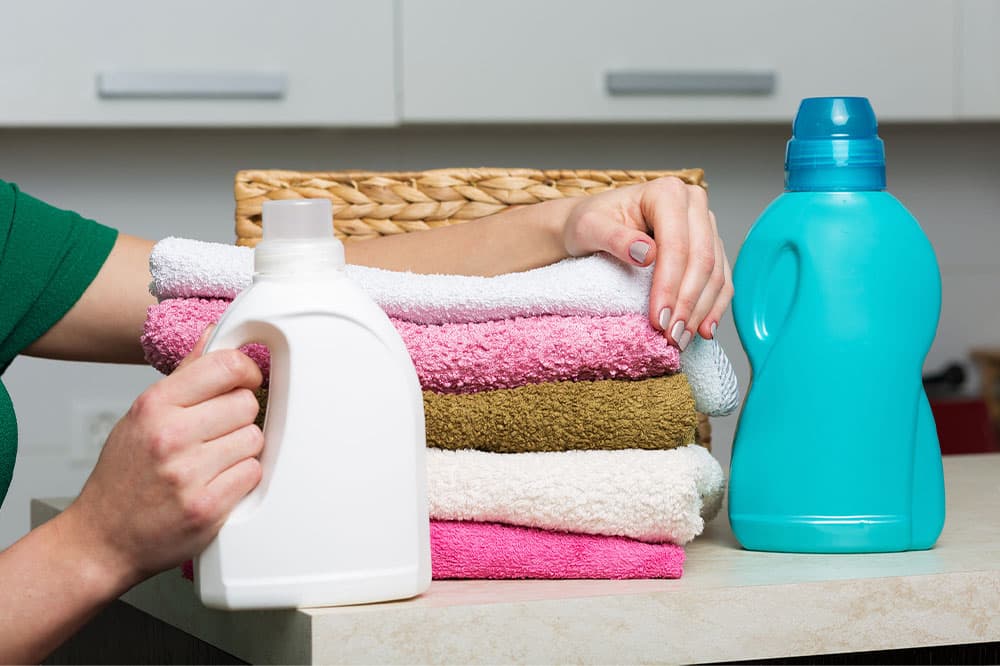
Fabric cleaning and washing products are loaded with chemicals and can cause skin allergies, respiratory problems, headaches, and blurred vision. Seniors face a higher risk from these products as their overall health issues increase with age. Thus, it is imperative for them to choose certified and safe products for all sorts of laundry needs to stay protected from preventable emergencies. Accordingly, here are some top senior-friendly laundry detergents and cleaning products to note. Six best senior-friendly liquid detergents for use Based on the above guidelines, here are six great senior-friendly liquid detergents for daily use: Tide Purclean Honey Lavender Liquid Laundry Detergent The Tide Purclean Honey Lavender Liquid Laundry Detergent is Tide’s first plant-based liquid detergent. It is certified by USDA and is free from dyes, chlorines, dyes, phosphates, or optical brighteners. It is available in 24, 32, 48, and 64 ounces and is safe to use in all washers. The perfume is mild, and it can remove the grittiest of dirt. Puracy Natural Stain Remover If you are looking for spotless clothes and stains bother you, you can try the Puracy Natural Stain Remover. It can remove all types of stains caused by wine, food, coffee, or oil, and the associated odors. It also works on all fabric types, including your delicate clothes, linen, bedsheets, carpets, and floor mats. If you use cloth diapers, this product can also clean them perfectly without any stains or odor. Persil® ProClean® Persil is one of the best liquid detergents for removing tough stains and has been a favorite detergent for decades. It can be used in all types of washers and for all water temperatures. If you have some old, unnoticed stains, and your current detergent has been ineffective, you can switch to Persil, as it can remove tough old stains too. It is available in 40 oz bottles that seniors can handle and use without difficulty. Botanical Origin Laundry Detergent Botanical Origin Laundry Detergent is a plant-based liquid laundry detergent. It is completely free from synthetic dyes, fragrances, phosphates, parabens, and brighteners. It is safe for babies and seniors; it is hypoallergenic and has been tested by dermatologists. You can use it with cold and warm water. The senior-friendly laundry detergent has a beautiful fragrance, containing natural orange blossom and citrus essential oils. It is also cost-effective as one 54 oz bottle can wash about 72 loads of laundry, bringing your per-wash cost to the minimum. Seventh Generation Free and Clear Fragrance-Free Natural Liquid Laundry Detergent Seventh Generation Free and Clear is a popular and loved detergent brand. The brand has launched a plant and mineral-based liquid detergent that is safe for all and does not carry any risk of health issues for seniors. It is easily available in retail stores and online stores. It has been tested by dermatologists and certified by EPA and USDA certified. If you prefer a detergent with fragrance, it also comes with a fragrance option. It is available in smaller bottles, and a 40 oz container can wash 53 loads making your per-wash-cost affordable. Cleancult Cleancult is an eco-friendly product that is hypoallergenic and non-toxic to the environment. It comes in refillable-glass bottles of 32 oz each, and you can wash 64 loads of laundry with it. It is available in Juniper and Sandalwood fragrances made from essential oils. It is also available in a no-fragrance option. Now that you know which laundry detergents are best for seniors, here are some additional tips for choosing the right option. Benefits of liquid detergents The main types of laundry detergents available in the market include liquid, powder, single-dose pods, tablet detergents, and laundry sheets. While single-use pods, tablets, and laundry sheets are convenient, they are expensive; powder detergents can be difficult to use for seniors. Liquid detergents, in contrast, are efficient for all stains and convenient to use. They dissolve immediately and cause less foam requiring less water. Unlike powder detergents, they do not leave any residue on your clothes. You can also find hypoallergenic, eczema-friendly liquid and 100% organic liquid detergents for seniors with sensitive skin. Tips for choosing the right liquid detergent for seniors Find out how much liquid detergent is needed every month based on the volume of laundry, type of machine, water quality, and fabric used. Identify the most effective cleaner for tough stains, as spilling food is common as one ages. You can also look for products that remove odors if you have incontinence or wear diapers. If you have sensitive skin, psoriasis, or eczema, buy hypoallergenic detergents that are safe for the skin. You can also opt for detergents available on subscription, where you pay once, and your detergent is delivered to your doorstep every month. Compare the costs of more than one brand and work out the cost per wash to get the best value for money. Look for detergents that are available in smaller sizes and containers so that you can lift and use them conveniently. Large containers may be cheaper, but lifting them and pouring them into the measuring caps may be cumbersome. If liquid detergent spills onto the floor, it can cause slips and lead to serious injuries. Read the ingredient list and ensure that the liquid detergent does not contain any harmful chemicals. Choose brands approved by the Environmental Protection Agency (EPA) or the United States Department of Agriculture (USDA). If you have sensitive skin, look for products recommended by dermatologists or by the National Eczema Association and National Psoriasis Foundation. Additionally, it is crucial to avoid certain ingredients in products. Given below is a list of ingredients that can be found in household cleaners and laundry detergents. Eight harmful household chemicals that seniors should avoid Some of the common chemicals found in laundry detergents that cause adverse health impacts in seniors include: 1,4-Dioxane, used as a solvent and degreaser, is a carcinogen. Sodium Laureth Sulphate (SLS), a foaming agent, can cause eczema, rosacea and psoriasis. Sodium hypochlorite, known as bleach, is an optical brightener that converts UV light to visible light and makes white clothes look brighter. It can cause lung and skin irritation. Formaldehyde, a preservative, can irritate the skin, lungs and eyes. Phosphates used to soften hard water can cause nausea, diarrhea, and skin problems. Nonylphenol ethoxylate can lead to poor reproductive growth, early menstruation, and low sperm count. Benzene, a surfactant to release dirt from clothes, can irritate our eyes, skin and nose. Synthetic fragrances are added to keep the clothes smelling fresh after washing. They are usually a combination of thousands of chemicals and can trigger asthma and other respiratory symptoms.

It is a known fact that too much sugar can be devastating for your health. When blood sugar is high, the body produces more insulin, which can lead to several health complications, including prediabetes and diabetes. So, you must cut down on sugar. Choosing healthy snacks and increasing fiber and probiotic intake can help. Moreover, regular exercise is essential. Here are a few tips to lower sugar intake and manage blood sugar levels naturally. Avoid carbohydrates A high intake of carbohydrates has a substantial impact on blood sugar levels. The body breaks down carbohydrates into sugars like glucose, which enters the blood. While the body requires glucose for energy, an excess can be harmful. As the amount of glucose increases, so does the amount of insulin produced by the body, leading to a greater risk of lifestyle disorders. Some foods with an abundance of carbs to stay away from are potato chips and donuts. Control your portion size If you are dealing with frequent blood sugar spikes, monitoring portion size can help. When you eat a large meal, blood glucose increases suddenly. To avoid this, eat smaller meals. You can opt for five to six small meals per day instead of two or three large ones. Use smaller plates, eat slowly, avoid going to restaurants, and keep a food journal. This will not only help manage high blood sugar but also reduce calorie intake, which has several benefits. Consider foods rich in fiber Fiber helps slow the digestion of carbohydrates and sugar absorption, gradually controlling blood sugar. Unsurprisingly, many people with type 1 diabetes can manage their condition better by including more fiber in their meals. Some foods high in fiber are fruits, vegetables, whole grains, and legumes. However, remember that too much fiber can also be a problem. Speak with a doctor to determine the right amount based on your condition. Drink plenty of water Drinking sufficient water helps keep blood sugar levels in check by flushing out excess sugar through urine. It helps rehydrate the blood, reduce the risk of diabetes, and lower blood sugar levels. But always drink plain water or zero-calorie drinks to manage high blood sugar. Reaching for sugar-sweetened beverages to quench your thirst can be counterproductive. It can raise blood glucose and increase the risk of diabetes. Artificial sweeteners in some drinks can also cause imbalances in gut bacteria, which can further cause poor blood sugar control. Besides managing blood sugar, water prevents dehydration, helping prevent several other ailments. Opt for whole foods Since whole foods are not processed or refined, you should add more to your meals to keep sugar levels in check. Opt for whole fruits, whole grains, vegetables, legumes, and meat that is free of additives and other artificial substances. Also, avoid ultra-processed foods, such as soft drinks, chips, sugary cereals, and fast food. Avoid sugary desserts Most desserts offer zero nutritional value and are loaded with sugar. They spike blood sugar levels and leave you feeling tired and hungrier. Items like cakes, donuts, pies, and ice cream are not meant to be had regularly as they can cause health concerns. Choose alternatives like fresh fruits, dark chocolate, Greek yogurt, and baked fruit with cream to satisfy your taste buds. Choose full-fat foods These days, many stores sell low-fat varieties of foods like yogurt, butter, and salad dressing. However, you may be surprised to learn that these have more sugar and sometimes more calories than full-fat alternatives. So, when you feel the need to cut down on sugar intake, go for full-fat foods. The fat content in these items is comparatively less harmful and makes you feel full. Check the sugar levels in canned foods Canned foods contain a lot of added sugar, so you should avoid them as far as possible. It is better to choose fresh fruits and vegetables instead of canned varieties because they have natural sugars, which can satiate your sugar needs. When at the grocery store, always check the labels of packaged items and buy those that use terms like “no added sugar” and “packed in water” to ensure healthy eating. Make exercising a part of your routine Besides good eating habits, focus on exercising to control high blood sugar. Regular exercise can help maintain physical fitness and increase insulin sensitivity. This means your body’s cells can effectively use the sugar in your bloodstream. Further, exercise helps the muscles to use blood sugar for contraction and energy. As a part of a healthy routine, you can also go for regular checkups before and after exercising. It will show the difference in metabolism and help you understand how your body reacts to different exercises to control blood sugar levels. Follow a good sleep schedule Getting enough sleep is necessary for good health. If you have poor sleeping habits, your blood sugar levels can increase. Sleep deprivation can also cause a spike in the stress hormone cortisol, which can upend the body’s blood sugar management. Further, it can cause an increase in appetite. Hence, those with high blood sugar must follow a good sleep schedule. The above points demonstrate that excessive sugar consumption can harm your health. Other than a spike in blood sugar levels, sodas, sweets, and other processed food can cause diabetes, tooth decay, and even cancer and heart disease. So, they should be completely avoided. To control high blood sugar, engage in healthy practices like sleeping well, exercising regularly, following a balanced meal plan, drinking enough water, and more. You can live a happy and healthy life in the long run by changing your food habits and lifestyle. Be mindful of what you eat, and do not hesitate to talk to a doctor if you feel the need.

Hyperkalemia is characterized by increased potassium levels in a person’s bloodstream. For optimal health, maintaining adequate potassium levels is essential. Managing hyperkalemia by following a nutritious meal plan can help with this. As hyperkalemia can be deadly, it must be treated immediately after being diagnosed to prevent its symptoms. Below is a list of some of the nutritious foods that have helped lower potassium levels and some potassium-rich foods to avoid for managing hyperkalemia. Hyperkalemia Potassium is an essential nutrient, but excess potassium in the body can lead to conditions like hyperkalemia. It can cause serious heart problems, so it is crucial to be familiar with all the details of the conditions. Hyperkalemia symptoms are typically mild and non-specific and thus easy to miss. Muscle weakness, tingling, nausea, and numbness are the usual symptoms of the condition. When the potassium levels are high, one may experience shortness of breath, chest pain, and heart palpitations. Since sudden hyperkalemia can be life-threatening, it is better to seek immediate medical care if the symptoms arise. Causes of hyperkalemia One of the most prevalent reasons for hyperkalemia is kidney disease. The kidneys are tasked with the job of balancing electrolytes, including potassium. The kidney can compensate for high amounts of kalium when its functioning is only moderately impaired. But in the late stages of kidney disease, the kidney may lose this ability. Some drugs may interact with kidney functioning in such a way that it leads to inadequate removal of potassium. Another common cause is eating too many potassium-rich foods like cantaloupe, orange juice, bananas, honeydew melon, or other supplements. Less common causes of hyperkalemia include uncontrolled diabetes, Addison’s disease, and severe injuries or burn that cause the body to release extra potassium. The nutritional regime for hyperkalemia Since one of the most common reasons for hyperkalemia is the excess consumption of potassium, the best way to control it is by following a balanced meal plan. Even when triggered by other reasons like kidney disease or diabetes, modifying the meal plan is the best way to manage this health condition. Bear in mind that it is not possible to have a meal plan free of potassium, and neither is it healthy. A lot of nutritious foods contain potassium. Hence completely eliminating potassium from one’s regular meal plan may cause constipation and deficiency of several other essential nutrients. However, temporarily adopting a low-potassium meal plan is ideal. The following tips can help a person follow this: Avoid foods with the high potassium content It is best to avoid canned vegetables since they contain more salts than necessary and hence may increase potassium content in the blood. Fresh fruits like bananas, grapes, kiwis, mangoes, apricots, and dry fruits like plums, papaya, and raisins have high potassium content. Also, avoid spinach, butternut squash, potato, sweet potatoes, avocado, beetroot, eggplant, cereals with bran, and nuts like pistachios. It is important to control the intake of milk, yogurt, nuts, fish, and chicken. Fruit juices tend to contain artificial salt that is rich in potassium. So try not to drink more than 150 ml of fruit juice a day. Reducing potassium from food If one regularly consumes the foods mentioned above, eliminating these entirely may not be possible. So, one must try to reduce the amount of potassium intake. First and foremost, learning about foods and their nutritional values is important. It is helpful to be aware of the potassium content in foods. A person suffering from hyperkalemia should consume only 2,000 milligrams of potassium a day (as opposed to 2,600 to 3,400 milligrams recommended for a healthy adult). Potassium content from canned foods can be reduced by draining the water. In fresh vegetables, leaching is ideal. This process involves soaking vegetables in water and cooking them in 10x more water than vegetables. Wash the leached vegetables in cold water. Avoid large servings of tomato in all its forms (soup, sauce, puree, juice, etc.). Also, avoid foods like licorice, strong coffee, and chocolate. Foods to manage hyperkalemia Apart from steering clear of some foods, including foods low in potassium in one’s meal plan is important. Consider lean meats, shrimp, or eggs for proteins. Cauliflower, alfalfa sprouts, asparagus, green beans, broccoli, cabbage, cucumber, white mushroom, zucchini, and carrots are ideal vegetables for people with hyperkalemia. Turn to high-fiber grains instead of those with bran. Blackberry, blueberry, cranberry, peach, grapefruit, apple and apple sauce, cherry, strawberry, tangerine, and pears are fruits that are low in kalium. Treatment for hyperkalemia More often than not, a low-potassium meal plan is an ideal solution for hyperkalemia. But there are other alternative treatments. One’s healthcare provider will also likely modify the prescriptions apart from giving a person a meal plan with low-potassium foods. They might also ask a person to take specific pharmaceutical preparations to help the body eliminate extra potassium efficiently. These could be diuretics that make the kidney produce more urine, through which potassium is typically expelled from the body. Doctors may recommend certain prescription treatments for hyperkalemia. However, the same is not used for children and is usually more commonly prescribed when the potassium build-up is severe. Consult with the healthcare provider One must always make modifications to the meal plan with the help of a nutritionist or a general practitioner. Firstly, if hyperkalemia is comorbid with other conditions, it is important to understand which foods will impact one’s health adversely. It is also possible that food is not a cause of this condition. If the reason is an underlying condition like diabetes, the meal plan must be low in potassium and carbohydrates. But if the cause is kidney disease, one must limit sodium, calcium, and phosphorus. Doctors are better equipped to create a meal plan that will suit a person. But remember, it is important to consult with a doctor before making any changes to the meal plan or if the symptoms aggravate further.

Psoriasis is a chronic, painful, and inflammatory disease that affects the skin and nails, leading to disfigurement and disability. It can happen to anyone, but people aged 50 and above are at higher risk than others. Genes and a weak immune system are considered to be the significant causes of psoriasis. Other triggers include sunburn, infections, trauma, underlying diseases, treatment side effects, and stress. This article will discuss ways to manage psoriasis effectively. Psoriasis and its impact on the body Psoriasis is caused by a dysfunction in the immune system resulting in inflammation. The inflammation causes lesions, bumps, raised plaques, and scales on the skin. When our immune system works well, our skin cells grow and shed once in fifteen days. When affected by psoriasis, the skin cells pile up instead of shedding, and the accumulated plaque build-up can burn, sting, or cause an itch. Psoriasis may affect both the internal and external organs. Externally it usually affects the elbows, knees, and scalp. Internally it can affect any tissues and our organs. In some, it may affect the joints causing psoriatic arthritis. People with psoriasis are also at risk for cardiovascular diseases, hyperpigmentation, Chron’s disease, psychological disorders, and uveitis. Since there is no cure, treatment aims to control the symptoms and prevent remission. Six ways to medically manage psoriasis Physical examination Once you consult a doctor, they will start with a thorough physical examination to understand the plaque’s appearance, location, and severity. They will also talk to you about recent infections, family history, and any other underlying health conditions that may be causing it. For example, if you are consulting your primary physician, they may refer you to a dermatologist at this stage. Topical emollients and creams Doctors may prescribe emollients and creams that can reduce inflammation, reduce the production of skin cells, and improve the symptoms of itch and pain. Prescription treatments Along with creams, doctors may also prescribe a combination of oral systemic treatments that target the molecules inside our immune cells and correct the overactive immune response. Doctors also prescribe Disease-Modifying Antirheumatic Drugs (DMARDS) for those with severe symptoms. Injections Doctors may prescribe creams and oral treatments if the symptoms are very severe or if other treatment methods are ineffective in controlling the symptoms. Phototherapy Phototherapy has been used for more than a century to treat psoriasis. Doctors expose the affected area to Ultraviolet rays to reduce inflammation and slow skin cell production. You may require multiple sessions of phototherapy to see visible changes. Six steps to prevent psoriasis flare-ups Having one or two parents with psoriasis and using tobacco are two major risk factors for psoriasis. Following a good skincare routine and regular screening can help you prevent frequent psoriasis flare-ups. One can follow these six steps to prevent psoriasis flare-ups: Stay hydrated Psoriasis symptoms can become severe if you have dry skin. Drink about 6-8 glasses of water and fluids to prevent dehydration. Use thick creams that can keep the skin moisturized for some time. Follow a healthy skincare routine Good skincare is the foundation of preventing or arresting psoriasis flare-ups. Use organic and hypoallergenic skin care products. While a few minutes in the sun can benefit you, do not spend long hours outside. If you must be outdoors, ensure your arms and legs are covered. Always carry a hat, umbrella, scarf, and sunscreen in your purse. Avoid the following in your meals Food is one of the primary triggers for a psoriasis flare-up. Maintaining a food journal can help you identify what triggers it for you. Avoid the following: Dairy products Eggplant Gluten Highly processed food with chemical additives and flavor enhancers Pork Red meat Rich, sugary desserts Shellfish Snacks and bread made with refined flour Tomatoes White potatoes Avoid exposure to psoriasis triggers Besides food, many other natural, chemical, and environmental triggers can cause a flare-up. Following are some of the common psoriasis triggers: Bruises Specific prescription treatments used for treating hypertension, malaria, and hepatitis C Dry weather Humid weather Insect and bug bite Low estrogen Skin injury Stress Too much exposure to the sun Upper respiratory infections Learn to manage stress Stress is one of the significant triggers of psoriasis. A flare-up and the consequent rashes and itch can add to the stress. Light exercise, yoga, Tai Chi, and meditation can help you calm yourself. You can also spend time on your hobbies and with family and friends. You can also ask your doctor to refer a psychotherapist if you cannot manage stress yourself. Avoid self-prescription Certain oral prescription treatments have been proven as psoriasis triggers. Talk to a doctor before getting any treatment and talk to them about your symptoms so that they can avoid prescribing anything that could be a potential trigger. Do not take any oral treatment without a doctor’s advice. Six home remedies for psoriasis Since psoriasis is a chronic condition without a cure, you may have to take treatment for a long time. Self-care and home remedies can help the dependence on prescription treatments. (Do not discontinue any treatment without the doctor’s advice). Here are some of the home remedies for psoriasis that one can follow: Cold compress Apply a cold compress to the affected areas. It can help in reducing itches and prevent rashes from spreading. Warm bath Soak in a lukewarm bath for 15 minutes to loosen the scales. Add sea salt, oatmeal, and light coal tar bath gel to the warm water to help cool your skin and prevent the itch from spreading. Essential oils Essential oils have always been effective in treating skin conditions. Apply them directly or mix them with carrier oil as per instructions. Essential oils that are beneficial for psoriasis include: Castor oil Coconut oil Geranium oil Lavender oil Tea tree oil Aloe vera Aloe vera gel is a highly recommended herb for dry skin conditions. Buy organic and certified pure aloe vera gel and apply it twice a day. Bitter melon Bitter melon is a bitter and edible fruit, and its enzymes inhibit psoriasis flare-ups. Talk to a doctor or nutritionist about the proper dosage for you. You should avoid it if you have low blood sugar. Use a humidifier A humidifier keeps the air moist at night and can keep the skin moist while you sleep. A 24-hour moisturizing care can help prevent a flare-up.
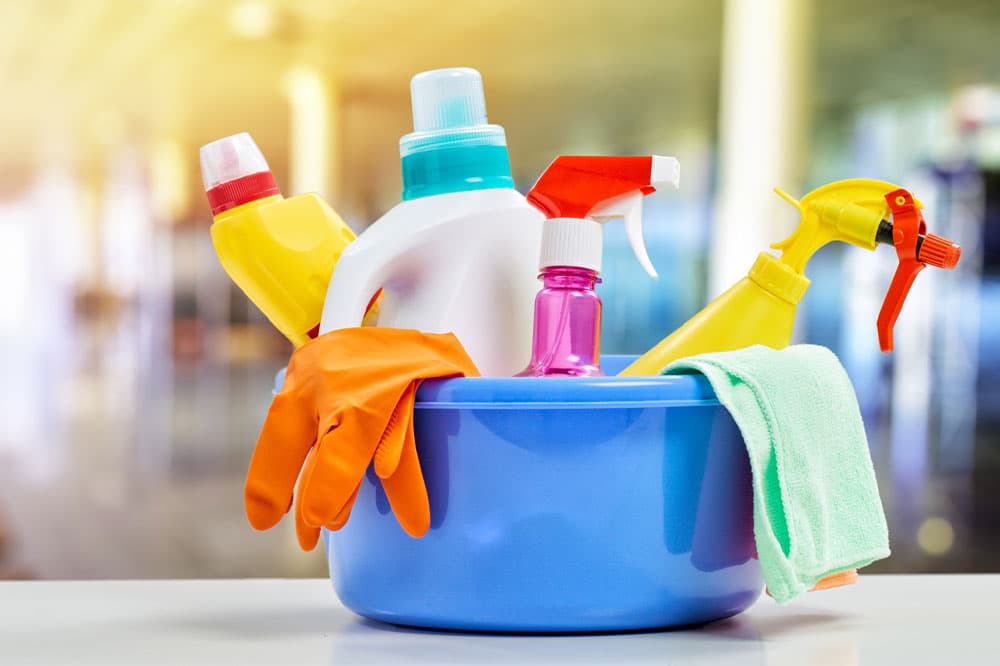
Some people love cleaning while others loathe it. But the fact remains that everyone has to clean their homes now and then. A few prefer to hire people to clean and search for trustworthy cleaning services. However, those who do it themselves quickly learn what mistakes to avoid and which products to use for their home. Here is an all-you-need-to-know guide to getting a clean house and the top mistakes to avoid. Top 5 cleaning mistakes to avoid There are several mistakes that you can make even if you clean the house yourself on a regular basis. Some of these are possibly carelessness, while others might be due to disorganization. So whether you clean yourself or outsource your cleaning, there are some mistakes you should avoid. Using dirty tools Imagine rubbing a clean surface with a dirty cloth. That is often what happens when you go into cleaning unprepared. It is ideal to wash your cleaning tools – cleaning cloths, scrubs, mop heads, and brushes and disinfect them before use. Always change the filter and empty the vacuum when it becomes full. This ensures optimal performance and also sees to it your cleaning is not ineffective. Using too many cleaning products Using excess cleaning products can lead to the furniture or spot being cleaned become greasy. It is the same as dirtying the place you set out to clean. The excess product in the microfibers of your cleaning tools will make you spend more time and energy cleaning the overspray on windows, doors, and countertops. Remember that adding a cleaning solution is more manageable than cleaning up the excess. Dry cleaning Most people try to avoid cleaning solution residue on furniture by using a dry cloth. However, the opposite mistake is also detrimental to the cleaning process. Dusting with a dry rag only moves dirt around from one place to another. However, it is best to pick off dirt using a damp microfiber cloth. Such cleaning tools can pick up even fine particles, and if you use the correct cleaning solution, you can make your home look brand new. Cleaning down-up If you start from the ground floor and clean your way up the house, all the crumbs, dust, and dirt from your top floors will likely drop down, and you might have to clean your ground floor again. Imagine vacuuming and mopping your house twice! To avoid this mistake, start from the higher levels and work your way down the way Newton and gravity would have it. Not having a cleaning routine Maintaining a scrubbing and clean-up outline is sure to help reduce the mistakes in your cleaning. If you only clean on an afternoon before an important meeting or when your kids are running around the house looking for things for their project, you will likely mess up your cleaning. Cleaning on the weekend is another problem since chores often pile up. All of these will obviously make you put off your cleaning and then pile up one day only to overwhelm you. The best way to avoid this cleaning mistake is by breaking down your cleaning into several small tasks and overcoming them bit by bit in your daily schedule. 4 best cleaning services Finding the best cleaning service for your home and needs can be challenging. If you have no time to clean on your own, then a cleaning service is what you need. The following are three of the best cleaning services available. Remember to consider them the next time you plan to deep-clean your home. Tidy Tidy allows you to create a to-do checklist for your cleaners or choose a pre-made one. Their most popular plan has two cleaners working for four hours. If you fill out their online form and choose the date and time, the website automatically estimates how long the job will take. The best part is Tidy is available in almost all major cities throughout the country. The Maids With services offered in 41 states, The Maids offers same-day, one-time deep, and recurrent cleaning. Your first deep clean might cost extra, but other than that, they are pretty affordable. You can also get moving out/in cleaning and cleaning done for small businesses. You can get the most efficient cleaning done with the help of an experienced team and a team leader who knows your home and its needs. The Cleaning Authority The Cleaning Authority offers house and apartment cleaning, move-in/out cleaning, and one-time cleanings in 45 states across the country. They are known for giving attention to often overlooked areas and using cleaning products that are eco-friendly. Their user-friendly app makes the entire booking and cleaning process easy to monitor. Servpro While not exactly a cleaning service, Servpro is the solution to all your restoration needs. Whether it is a foundation expert you need or just an upholstery cleaning, you can get a service that is advertised as “Faster to Any Sized Disaster.” You can avail of emergency services in the event of flood damage or just have your house turned into a home by these industry experts. They bring the most skilled technicians in the field with the most advanced technology to your home to make your space the cleanest version of itself. Call one of their 1900 franchises today! 3 best all-surface cleaners If you do your home cleaning yourself, some products you need to know about include all-surface cleaners and sanitizers. The following are three of the best cleaning products in the market. Simple Green All-Purpose Cleaner With this product, you can get a cleaner that is pleasant on the nose and can be used on both hard and soft surfaces indoors and outdoors. It is perfect for cleaning tools, tiles, grills, concrete, and even patio furniture. Mr. Clean Multi-Purpose Cleaner With a plethora of scent options and great values on their gallon-size bottles, Mr. Clean is perfect if you clean often and clean multiple places with different tools (microfibers, sponges, mops, and the like) Clorox Pine-Sol Multi-Surface Cleaner This is a Pine-sol disinfectant that allows you to sanitize all surfaces without leaving any residue. Once you’re done, use Clorox’s ForceflexPlus Glad dustbin bags to rid your home of dirt and all sorts of debris without dealing with leaks or bad odors.

Pet parents leave no stone unturned to ensure their pet’s good health. Purchasing premium pet foods, pet-proofing the home, and taking their pets for vet visits are just some of the measures pet parents take to keep their pets healthy. Nutrition is one of the most essential aspects determining a dog’s general well-being. In addition to specific dog foods available on the market, certain human foods can also provide dogs with the required nourishment: Chicken Most dogs will surely enjoy a simple yet satisfying meal of boiled chicken and rice. Boiled chicken can serve as an excellent low-fat meal for dogs, providing them with their daily dose of protein and helping with muscle and bone health. However, eating chicken in its raw form is not advisable, as it can increase the risk of salmonella and other bacterial infections. It is also best to avoid adding spices and salt to the chicken meal, as these can result in digestive issues like diarrhea and vomiting. Plain boiled chicken, preferably with some boiled rice, is the best bet for a sumptuous meal for one’s pooch. Eggs Eggs are rich sources of protein, fatty acids, and vitamins A, B2, and B12, making them a healthy breakfast option for dogs. Free-range eggs are healthier than regular ones, as they have fewer saturated fats and cholesterol and more omega-3 fatty acids and vitamin A. Moreover, it is advisable to avoid feeding raw eggs to dogs and opt for boiled eggs without salt and spices. Fatty fish Fatty fish like salmon, tuna, mackerel, and herring are packed with omega-3 fatty acids, which are essential for a dog’s skin and coat. Fatty fish are particularly healthy for dogs with dry skin or who live in cold and dry climates. Boiled fish without salt and spices is the best way to serve fish to dogs. Turkey Several pet owners are often confused about whether turkey is healthy for their pets. Cooked turkey is a wholesome meal for dogs. However, Thanksgiving turkey, which includes generous quantities of butter, oil, herbs, salt, and spices, is unhealthy and should not be served to dogs. Moreover, turkey skin harms dogs’ stomachs and pancreas; thus, dogs should only have de-skinned turkeys. De-skinned, boiled turkey without the bones, salt, and spices makes for a healthy dog meal. Carrots Carrots are loaded with beta-carotene and are excellent low-fat snack items for dogs. Diced, peeled carrots are better than whole carrots, as the latter may cause choking. Moreover, limiting dogs’ carrot intake to one a day is advisable. Unsalted popcorn Dogs need not feel left out during their favorite humans’ movie-watching sessions. Plain, unsalted popcorn is a rich source of phosphorus, zinc, and magnesium and can be enjoyed in limited quantities by dogs. However, in addition to not being salted, the popcorn served to dogs should not contain any spices or butter. Bananas Bananas are packed with vitamins, fiber, potassium, and magnesium and are great energy sources for dogs. But they also contain high levels of sugar; hence, it is best to limit dogs’ intake of peeled bananas to once or twice a week. Cucumbers Cucumbers are rich in essential nutrients like magnesium, copper, vitamins, and phosphorus. Peeled and diced cucumbers can be served as crunchy snacks alongside diced carrots or in isolation. Cashews Limited quantities of cashews are safe human foods for dogs and can provide them with essential nutrients like magnesium, copper, and calcium. Dogs can be served up to five cashews at a time. Sweet potatoes Sweet potatoes contain less fat and are rich in vitamins A, B6, and C. Boiled sweet potatoes are also good sources of fiber and can act as complete meals for dogs, but they should be served without any spices or salt. Apples Apples can provide dogs with vitamins A and C and fiber; moreover, they contain fewer quantities of fat and protein and are, therefore, highly suitable for older dogs. Therefore, de-seeded, peeled apples can make appetizing snacks for dogs. Cantaloupes Cantaloupes contain a wide range of nutrients, including vitamin C, beta-carotene, folate, and potassium, besides being fiber-rich fruits with high water content. Thus, peeled and diced cantaloupes are healthy snack options for dogs, but they are also high in sugar content and should be served in moderation. Peaches Small quantities of fresh or frozen peaches are rich in vitamin A and fiber and may be enjoyed by dogs. However, the peach pit contains cyanide, which is poisonous to dogs; thus, the pit should be discarded while serving them this fruit. Pumpkins Pumpkins promote good digestion and skin and coat health. They also help remedy digestion issues like constipation and diarrhea. Moreover, this vegetable contains vitamins A, C, B1, and B6, copper, folate, fiber, and magnesium, among other nutrients. Dogs should be fed boiled pumpkin that is not salted or spiced. Watermelons About 92% of a watermelon’s constituents are water, which ensures optimal hydration during hot summer days, even for dogs. Moreover, this fruit contains essential vitamins such as vitamins A, B6, and C, and potassium. However, pet owners should ensure their dogs do not consume watermelon rind and seeds. Pet care and nutrition are vital to a dog’s health and longevity. However, life is unpredictable, despite several measures taken to prevent untoward incidents. Hence, purchasing a dog insurance policy is essential for dog owners to obtain financial compensation in the event of injuries or accidents to their dogs. Today, many dog insurance policies cover various services, from diagnostics and screenings to treatment options and rehabilitation. The premium amount for such policies is typically based on the cost of veterinary interventions in a particular area. The premium also differs based on the pet’s gender, age, breed, and species. Thus, a healthy and active lifestyle can prevent health conditions, whereas a best-value pet insurance plan for dogs ensures financial recovery in such situations.

When we sense an impending danger, our body creates a survival mechanism by sending adrenaline to our blood, enabling us to stay and fight or leave the scene. Sometimes, this happens when one perceives some danger to themselves, even though there is none. If such alerts happen frequently, our body becomes hyperalert and sends signals in the form of physical changes. These changes are called anxiety disorders and are a type of mental illness. What is anxiety? An anxious person typically tends to exaggerate or, in some cases, imagine a threat. They could have thoughts like: I am in a dangerous situation right now I cannot cope with it The worst is going to happen to me Along with such thoughts, they may also see some physical changes, including: Tension Perspiration Sudden intense blushing Increase in heart rate Tremble or shakiness in legs Wringing of hands Lump in the throat Dizziness Nausea Irritable bowel syndrome or a sudden urge to pass stools Once the physical symptoms begin, they may feel they cannot survive and want to escape. If they feel anxiety, they are likely to isolate themselves from others by avoiding people and specific places, or they may go there only with a companion. The cycle of thoughts and symptoms continues viciously and causes impediments in the ability to participate in day-to-day domestic, professional, or societal activities. To prevent this, treatment and management of anxiety are necessary. Importance of managing anxiety Anxiety can happen to anyone, irrespective of age and gender. Besides interfering with a person’s ability to lead an everyday life, anxiety can be distressing and debilitating. It can lead to reduced workplace productivity or poor academic performance. It can affect a person’s ability to engage and maintain relationships within a family and society. Structure treatment and self-care coping strategies can help people with anxiety recover and lead healthy life. Ten best management options for anxiety Self-care works well to manage anxiety, provided one reads and learns about these techniques. However, it would be better to consult a therapist once before trying to manage it yourselves. Here are some of the ten best management options for anxiety. Education Knowing what anxiety is and its physical and emotional impact is the first step in managing it. Knowing the typical symptoms of anxiety can help identify it and help one control them. One can also become a support group member that works with people with anxiety disorders. Trigger identification Knowing what causes anxiety and its associated symptoms is another important step in personalizing the treatment. By paying close attention, one can determine if a person, group of persons, a past event, or location causes anxiety. One can also identify if there are any patterns in these triggers and make a journal of such information so that one can work on it or work with a mental health professional. Confrontation of unhelpful thoughts When feeling anxious, one may lose control of their thoughts. Recognizing if their thoughts are unrealistic and if they assume everyone is talking about them is noticed. One may also exaggerate and blow things out of proportion. For example, one could worry about the impact of the perceived bad things and blame themselves for everything. Mindfulness Mindfulness is a technique that helps one stay with their complex thoughts without suppressing or encouraging them. It teaches them to respond to their thoughts instead of reacting impulsively and instinctively. Mindful meditation reduces stress and helps focus on the situation without imagining consequences. Assertion An anxious person may refrain from saying what they think as they fear a conflict. They can stop communicating with friends, family, or caregivers. It is essential to improve their ability to convey their thoughts honestly. It gives them self-confidence and makes them ask for help from their network. Relaxation techniques Along with mindfulness, you can also participate in relaxation techniques that help you release the tension in your muscles and body. It can help in reducing physical symptoms like hyperventilation and dizziness. Some of the relaxation techniques that are effective in controlling your breathing patterns are: Abdominal breathing instead of breathing through the chest Progressive muscle reaction Isometric relaxation exercises You can practice these techniques every day for fifteen minutes and in the instances that cause anxiety. Graded exposure Graded exposure is an approach that helps you fight your fears by staying in a situation that makes you anxious until your fears subside. You expose yourself to such situations incrementally and in measured doses and come out when your anxiety has reduced significantly. You can use the benefits of mindfulness and relaxation techniques to help you overcome anxiety. Over time you can increase the duration of exposure and continue this routine until you can face your anxieties without any physical symptoms. Physical activity Physical activity does not cure anxiety but is very helpful in managing symptoms like increased heart rate, stiff muscles, and shallow breathing. Engage in activities like jogging, walking, biking, aerobics, or Zumba for thirty minutes at least five days a week. Start with ten minutes a day; you can increase the duration as you get more comfortable. It can help you destress, stabilize your heart rate and regularize your breathing. Lifestyle changes Lifestyle changes are a crucial self-care management option for anxiety. Increase the consumption of magnesium, Vitamin B, and calcium, as these deficiencies can lead to stress and anxiety. Increase the consumption of rainbow-colored vegetables and fruits, whole grains, and low-fat dairy. Avoid stimulants like caffeine and liquor, as they can interfere with your sleep patterns and make you tired the next day. Professional care Apart from the self-care techniques, a person who shows signs of anxiety must get professional care from a certified mental health professional. They typically combine prescription therapies, counseling, and cognitive and behavioral therapies to treat anxiety. The goal of treatment is to improve their patient’s physical symptoms, help them cope with unpleasant thoughts, and gradually build self-confidence.