Hair loss or alopecia is a dreaded condition most commonly associated with middle-aged men, but unfortunately, it may even occur in young children. When you lose 50 to 100 hair each day, you would think it is not that big a deal. However, sometimes you may lose more, or perhaps new hair does not replace lost hair quickly. So let’s learn about hair loss and the medical conditions that trigger it. Signs to look out for Sometimes it can be tricky to differentiate regular hair loss from severe since even routine combing is bound to produce a handful of strands. For example, alopecia has the following symptoms – widening patches of scaling, receding hairline, loose hair, bald patches, and pain or itching on the scalp. Thinning of hair can take any form and sometimes may not appear on your head. Or, your drains may get clogged more, and perhaps your brush is full of hair if you suffer from alopecia. Medical conditions that trigger severe hair loss Most people do not talk about hair when they talk about their health. It is unfortunate since hair fall coincides with several health conditions. The following are some ailments known to trigger severe or noticeable hair loss. Alopecia areata The first condition that triggers severe alopecia is an autoimmune condition. Some researchers believe this illness which triggers unpredictable hair loss, runs in families. It is, unfortunately, quite common. However, the silver lining is that in most cases, only a tiny patch of hair, about the size of a quarter, falls out. If there is severe hair loss all over the scalp, it is called alopecia totalis. And if hair loss is all over the body, it is called alopecia universalis. Androgenic alopecia If you know a little Greek, you know that andros means man, but androgenic alopecia is hereditary hair loss that occurs in men and women. It may occur as early as puberty in some people but is typically noticed only in middle age, after age 65. In men, it is likely to occur progressively above the temples, and thinning starts at the crown, creating an M shape. Androgenic alopecia is the most common medical cause of hair loss, affecting about 50% of the world’s population. Tinea capitis Another medical condition that can cause severe hair loss is ringworm of the scalp or Tinea capitis. The regions affected on the scalp and hair shaft tend to become scaly and itchy. Unless treated early on, the size of the patch increases and tends to fill with pus. These patches are known as kerion and may cause relatively permanent scarring. There may be coloring on the scalp, and tender to the touch. However, the good news is it is treatable with simple antifungal cream. Syphilis A bacterial infection that is sexually transmitted and can cause severe and noticeable hair loss is syphilis. Though the first symptoms are bodily sores, secondary syphilis, occurring a few weeks after the infection, can be accompanied by hair loss. This shedding occurs in a “moth-eaten” pattern – that is, in small patches across the scalp. It does not leave scars on the head and can be reversed with treatment. Instead, the hair returns to normal within three months of antibiotic treatment. Cancer Cancer treatments are a boon and can save many lives, but they have several side effects. There is, of course, nausea, dizziness, and hair loss. Typically, radiation therapy to the upper body or chemotherapy causes hair loss on parts or the entire scalp within a few weeks after the treatments start. Wearing cooling caps during the sessions can prevent hair loss. But also, it is essential to remember that hair regrowth tends to begin within a few months of completing the chemotherapy or radiation. Dermatologists typically work with your oncologists to prescribe to speed up hair growth. Telogen effluvium Telogen effluvium refers to sudden hair loss that results from emotional or physical shock or a traumatic event. Extreme stress or serious illness is a common cause of severe hair loss. It may result from hormonal changes with pregnancy, postpartum, menopause, and PCOS. Additionally, malnutrition, endocrine disorders, acute infections, surgery, and particularly anesthesia can result in severe hair loss. Drugs like anticoagulants, anticonvulsants, oral retinoids, and beta-blockers are peculiar reasons for losing hair. The good news is that hair tends to grow back when the underlying problem is treated. Iron Deficiency Anemia A lack of sufficient iron in the body reduces the number of healthy red blood cells. It means that oxygen transport in the body is impaired, and most organs suffer. Iron is absorbed from non-essential organs like the hair follicles when it is less in the body. And it leads to dry and brittle hair that breaks easily. Thus, this medical condition can seriously impair your health and cause severe hair loss. So, for example, if your thinning hair co-occurs with tiredness and heart palpitations, you might want to ask your doctor for iron tablets. Thyroid conditions The thyroid gland is responsible for metabolism, but when it is overactive or underactive, it can cause hair loss. This type of hair loss can be accompanied by changes in hair texture and even thinning of body hair. Often, thyroid problems result from autoimmune reactions and may accompany alopecia areata. Some causes of thyroid abnormalities include Graves’ disease or Hashimoto’s disease. You can rectify this health imbalance, but most thyroid treatments take a few months to show positive changes. Conclusion Severe hair loss can be gradual or abrupt and temporary or permanent, depending on the cause. Whatever the reason, do not pull your hair out worrying, but give yourself and your scalp some time. Be kind to hair that is new in texture or slow to grow because it could take quite a while to return to normal.

The immune system is responsible for protecting the body against infection and diseases. Sometimes, this system malfunctions and attacks healthy cells and tissues, causing diseases in one or many body parts. Such diseases are called autoimmune diseases. Lupus is an example of an autoimmune disease that can affect people of all ages, with women at a higher risk than men. This post closely examines what lupus is, its types, and its symptoms. What is lupus? Lupus is a chronic autoimmune disease where a person’s immune system mistakes healthy cells for invaders. It then creates antibodies to attack the healthy cells and tissues, causing inflammation and pain in different body parts, including the skin, joints, muscles, and internal organs. Lupus can be mild to severe and, in some cases, life-threatening. Patients with lupus may see phases when they are very ill and phases where they feel better. The symptoms can be managed with treatment, and patients diagnosed with the disease can lead a full life. Different types of lupus The signs and remedies may vary from one person to another based on the type of lupus that affects them. The following are a few common types one should know: Systemic lupus erythematosus (SLE) SLE is the most severe and most common form of lupus. It can affect a person’s health in many ways. For instance, SLE can cause inflammation of the kidney that damages the organ; inflammation in the nervous system and brain that causes headaches, strokes, memory problems, and confusion; inflammation in the blood vessels of the brain that leads to seizures, changes in behavior, and high fever, coronary artery disease that could increase the risk of a heart attack; and pulmonary hypertension. SLE is difficult to diagnose as its symptoms mimic those of other benign diseases. Doctors use a combination of diagnostic tools, such as a physical examination, blood and urine examinations, and imaging tests, to rule out other ailments and identify SLE. If a person complains of kidney or skin issues, doctors may also perform a kidney and skin tissue biopsy to ascertain the cause. Cutaneous lupus erythematosus (CLE) This type of lupus affects the skin, causing lesions and sores. The lesions are red, scaly, and raised and shaped like discs. Some may develop rashes on their cheeks, nose, face, scalp, mouth, nose, private parts, and areas exposed to sunlight. People with cutaneous lupus may go on to develop SLE. Neonatal lupus (NL) It is a rare type that affects infants if the mother has lupus. The child may have liver problems, rashes, or low blood cell counts at birth. All the symptoms disappear within a few months after birth, and the child usually lives a healthy and normal life. Doctors can now diagnose neonatal lupus and treat the child before or after delivery with proper screening and testing. Treatment -induced lupus erythematosus Some treatments may cause lupus with symptoms similar to SLE. The signs and impact of this condition usually disappear once doctors discontinue the treatment. Early signs and symptoms of lupus The condition’s manifestation varies from person to person. While some may experience a single symptom like a rash, others may develop multiple discomforts like rash, hair loss, and chest pain. The frequency of symptoms also differs from one person to another. Sometimes, the signs appear and disappear in phases, with episodes of flare-ups and periods of remission. The most commonly occurring early signs and symptoms of lupus include: Off and on low-grade fever Fever with temperatures between 36.9 degrees F and 38.3 degrees F that keep reoccurring without an apparent cause is one of the early symptoms of the disease. Since the fever is not very high and does not impact the patient in any way, many ignore it. This is a mistake, as recurrent low-grade fever can result from infection or inflammation associated with lupus. Joint and muscle pain Inflammation in the muscles and joints can cause stiffness and pain. The condition can affect any joint, especially the upper arms, neck, thigh, and shoulder. This symptom can prevent one from performing physical activities and exercise. Skin rashes and lesions Butterfly-shaped rashes on the cheeks and nose are a typical symptom. These rashes can also be round or disk-shaped and scaly. Sometimes, red-colored rings outline them. Rashes are more common in body areas exposed to sunlight. Chest pain If lupus affects the lungs, the organ’s lining may get inflamed, causing severe stab-like pain in some parts of the chest. This pain may increase when the patient sneezes, coughs, laughs, or takes a deep breath. Chest pain and shortness of breath are early warning signs of the condition. Photosensitivity Two in three people with lupus are photosensitive; they react strongly to sunlight and other bright artificial lights. Photosensitivity can exacerbate other symptoms like rashes, joint pain, and inflammation in the affected organs. Mouth ulcers and sores Red ulcers with a white halo on the roof of the mouth, cheeks, and lips should not be ignored. If a person has recurrent mouth ulcers that may or may not be painful, they should consult a doctor for a thorough examination and diagnosis. Anemia When a person has a chronic disease, inflammation may prevent the body from making adequate red blood cells (RBCs). It is called anemia of chronic disease. Anemia is a symptom of lupus that can manifest during flare-ups. Persistent and unexplained fatigue Eight out of ten people with SLE experience fatigue, which can be severe, making it difficult to complete basic tasks. It can be caused by anemia or without any apparent reason. Moreover, fatigue may not improve with adequate rest and sleep. Hair loss Lesions, rashes, and scars on the scalp can lead to hair thinning and consequent hair loss. Doctors can manage this symptom with treatment.

Internet connectivity is the need of the hour for working professionals who operate from home, students, and generally anyone who wants to be online. So, getting a family plan is better if you install a new Internet connection at home. These plans cater to every individual’s needs and support multi-device streaming and seamless connections to work or study. This article discusses the best plans to choose, mistakes to avoid, and ways to boost your Internet connection. Common mistakes to avoid while choosing Internet providers Choosing an Internet service provider can be confusing at first, so here are a few basic mistakes you can avoid: Choosing the wrong connection Avoid choosing a low-cost Internet provider simply because you get some free basic plans. You will end up with a low-speed connection that might not be sufficient for all household members. Compare plans to find affordable Internet services that work for everyone. Getting confused with Internet types Fiber optic connections are the fastest and offer decent speeds for multiple users to connect and enjoy Internet services. However, some affordable plans may only be available with limited bandwidth. So, you must check and compare types of Internet connections, including DSL, cable, and fixed wireless. Not reading the terms of the agreement If you are applying for special Internet discounts, consider the terms and conditions mentioned in the qualifying criteria. You don’t want to commit to anything long-term when many alternatives are available on the market. Not getting the proper hardware You must invest in a decent modem and essential hardware for your home Internet to work seamlessly. Some government-sponsored Internet access benefits include the cost of these installations. Not comparing all available offers You’ll have to do some research to check out the best home Internet options available and compare services, irrespective of the ACP benefit. Don’t miss out on promotions simply because you haven’t checked out the available alternatives. Top 3 affordable home Internet services Verizon, Cox Communications, and AT&T are among the top services providing affordable Internet offers with benefits sponsored by the government as well. Verizon’s low-cost Internet for low-income families Verizon has partnered with the government to provide low-cost, affordable Internet services under its Lifeline Assistance Program. Suppose your income is less than or equal to 135% of the federal poverty guidelines. In that case, any household member receiving benefits under a qualifying federal assistance program can avail themselves of the discount. These primarily include Medicaid, the Supplemental Nutrition Assistance Program, Supplemental Security Income, Federal Public Housing Assistance, Veterans Pension and Survivors Benefits, and other special tribal programs.The 300 Mbps plan is free, while the 500 Mbps plan costs only $24.99 per month after a discount. Users are also eligible for the gigabit connection under the low-cost scheme for a discounted price of $49.99 per month with speeds up to 940 Mbps. Average savings under the scheme start at $20 per month and vary depending on the plan chosen. AT&T Home Internet Services AT&T is another Internet provider that partners with the government to provide low-cost Internet, sponsored under the Affordable Connectivity Program (ACP). Given the low tariff rates for the service’s basic Internet plans, you can get free Internet access upon qualifying and applying the discount. Eligible households can get a minimum $35/month discount, up to even $75 for unique qualifying tribal lands. The basic 100 Mbps plan starts at $30/month, and no additional charge is levied for annual contract maintenance, installation, or Wi-Fi modules. With the ACP $30/month credit, you’ll virtually enjoy free Internet access upon qualification. The discounts are applicable even for high-speed Internet plans over 100 Mbps. Cox Communications low-cost Internet Cox Communications offers a variety of low-cost Internet plans under the ACP program. Individual users can enjoy the ConnectAssist plan with speeds up to 100 Mbps, ideal for connecting up to five devices, including a free modem rental and no term agreement. While the plan starts at $30 per month, qualifying individuals under the ACP benefit can use the Internet connection for free upon receiving the monthly credit.Families can alternatively check out the Connect2Compete Internet plan, which also offers 100 Mbps speeds with all the perks and benefits of the individual plans. The plan is priced at $9.95/month, with ACP credit available for specific qualifying criteria. In addition, at least one K–12 students must receive schooling benefits under government-sponsored education programs. 6 easy steps to boost Wi-Fi connection When you use affordable Internet plans with limited bandwidth and speed, the following tips and hacks will help boost your Internet speed significantly. Restart the devices Sometimes, overheating of the devices can cause severe lag and latency issues. Restart the device or turn off the router for a few minutes to allow the device to cool down. The power-down and power-up cycles also boost Internet speed. Shift the router or modem Wi-Fi speed can also be affected if there is a barrier behind or in front of the antennas. This disturbance causes the signal to bounce back and affect latency, causing the Internet to disconnect. Wireless routers need to be placed in a location where there is no interference. Revise the frequency If multiple users are logged in, increasing the frequency band is better. Wi-fi routers operate on two radio frequency bands, mainly 2.4 GHz and 5 GHz. Switching the frequency will shift your device to better bandwidth and ensure seamless connectivity. Use a Wi-Fi extender or booster Range extenders and signal boosters can easily enhance your existing low-bandwidth Wi-Fi connection for a bare minimum cost. To enable a direct connection, you can even switch to a dedicated Ethernet port connection for desktops. Disconnect unnecessary devices Sometimes you’ll forget about that iPad or spare phone that’s still connected to the Wi-Fi network but not being used actively. Disconnect unused devices so the network is only used for active connections. This will help improve speed even on limited bandwidth. Update the interface Device updates can also affect the Wi-Fi connection because manufacturers keep releasing new software updates. You must download the latest firmware for the routers and modem to ensure the connection is stable.

When it comes to sports, the thrill of competition goes beyond the boundaries of stadiums and arenas. It surpasses time, captivating fans and collectors alike with its rich history and iconic moments. Sports memorabilia is a tangible connection to those exhilarating experiences, allowing fans to own a piece of sporting excellence. While some may view these items as mere souvenirs, there is a remarkable subcategory of sports memorabilia that goes beyond sentimental value. Sports memorabilia Sports memorabilia holds a special place in the hearts of fans and collectors alike. It encapsulates the essence of sporting moments, immortalizing legendary athletes, iconic teams, and historical events. Owning a piece of sports history brings a sense of pride and connection, allowing fans to feel a part of the action. Whether it’s a game-used jersey, a signed baseball, or a vintage program, sports memorabilia captures the magic of the past and keeps the spirit of sports alive. Here are a few categories of sports memorabilia- Historic game-worn jerseys Game-worn jerseys of iconic athletes are highly sought after by collectors. These jerseys carry the weight of history and often become rare finds as they age. Jerseys worn during milestone moments, championship games, or record-breaking performances hold significant value. Their direct connection to specific events or players and their scarcity contributes to these jerseys’ rising demand and value. Championship rings Championship rings represent the height of success in sports and are considered prized possessions by both players and collectors. Decorated with diamonds and other precious gems, these rings represent team achievements and individual excellence. Due to their limited availability and innate prestige, championship rings often command high prices in the market, making them valuable investments. Hall of Fame inductee memorabilia When athletes are inducted into prestigious sports Hall of Fame, their memorabilia gains an exceptional value. Items such as autographed baseballs, basketballs, or footballs from Hall of Famers are always in high demand. As their legacy and impact on the sport are recognized worldwide, the value of their memorabilia tends to rise. Collecting items associated with Hall of Fame inductees allows fans to celebrate and preserve the accomplishments of these legendary figures. Rookie cards Rookie cards are trading cards that first features athletes, generally at the beginning of their professional careers. These cards hold significant value, mainly if they depict players who later became superstars or achieved remarkable career milestones. The rarity and condition of the card play a crucial role in determining its value. As the athlete’s career progresses and their reputation grows, the demand for their rookie cards increases, driving up their market price. Vintage sports equipment Vintage sports equipment, such as baseball gloves, wooden bats, or leather football helmets, carries a nostalgic appeal and can rise in value. Collectors often seek well-preserved, authentic equipment from the past. The lack of availability of vintage sports gear and its connection to specific eras or players make them valuable additions to any sports memorabilia collection. Sports art and original photographs In addition to traditional memorabilia items, sports art, and original photographs have gained popularity as collectibles. Paintings, sculptures, and limited edition prints depicting sports moments or iconic athletes have become sought-after works. Similarly, original photographs capturing iconic moments in sports history hold significant value. These artistic representations offer a unique way to celebrate sports and add a touch of aesthetic appeal to any collection. The investment potential While most collectibles hold sentimental value, certain sports memorabilia also has the potential to appreciate in price. These items serve as cherished possessions and can yield significant returns on investment over time. However, it is important to note that while most sports memorabilia have shown a track record of appreciation, the value of collectibles can change depending on market trends, the popularity of athletes, and the physical condition of the items. Therefore, conducting thorough research, seeking expert advice, and investing wisely will help maximize the potential return on your sports memorabilia investments. The importance of authentication When it comes to investing in sports memorabilia, authenticity is paramount. With the increasing popularity of sports collectibles, the market has also seen its fair share of counterfeit items. To ensure your investment’s value and integrity, obtaining items from reputable sources and seeking proper authentication is important. Certificates of authenticity, holograms, and detailed documentation are crucial in verifying the genuineness of sports memorabilia. Preserving and displaying your collection Proper preservation and display are essential to maintain the value and condition of your sports memorabilia. Consider these tips to protect your prized possessions- Conservation materials Use archival-quality storage materials, such as acid-free sleeves, cases, and display frames, to prevent damage from light, moisture, and dust. Controlled environment Store your collectibles in a controlled environment with stable temperature and humidity levels to prevent damage. Framing and displaying If you choose to display your memorabilia, opt for UV-protected display cases or frames to shield them from harmful sunlight. Avoid using adhesive or mounting materials that may damage the items. Impact of sports gear and jerseys While sports memorabilia often encompasses various items, sports gear and jerseys hold a special place in the hearts of collectors. Game-worn jerseys, equipment, and accessories are highly coveted for their direct connection to the athletes and the intensity of competition. Whether a basketball signed by a legendary player or a jersey worn during a championship game, these items carry an undeniable aura that resonates with sports enthusiasts and collectors alike. Sports memorabilia offers a captivating blend of nostalgia, passion, and investment potential. From autographed jerseys to vintage equipment, these cherished items connect fans to the exciting world of sports. As fans and collectors continue to celebrate the spirit of various sports, the value of certain sports memorabilia continues to rise. So, whether you’re a sports enthusiast or an astute investor, exploring the world of sports collectibles can be an exciting journey that unites past and present, passion and profit.

Due to its incurable and terminal nature, cancer scares the living daylights out of everyone. People do their best to stay away from things that may cause them to develop cancers of any kind. There are many well-known carcinogens that healthy people actively avoid, such as soot, certain types of radiation, and cholesterol-heavy foods. However, there are many elements within one’s own house that can be carcinogenic in nature. Some such household items are: Room spray Formaldehyde is one of the most dangerous carcinogens out there. Room sprays contain this chemical, but most of them do not mention it in their ingredients list column. This is mainly because these sprays contain preservatives and chemicals that are scientifically termed “formaldehyde-releasers.” So, when these chemicals are inserted into a formula, they undergo a series of reactions and release the dreaded carcinogen. Apart from room sprays, one will find formaldehyde in face care and body care based makeup products. If possible, one can seek and purchase formaldehyde-free products and non-toxic room sprays to keep their house smelling sweet even without the cancer-causing element. Perfumes Just like formaldehyde, styrene is another chemical that can eventually cause cancer in people if they are exposed frequently to it. Fragrances are the most common products that contain styrene as one of its main elements. However, like formaldehyde, perfume manufacturers do not list this chemical in the ingredients of their products. This happens because perfumes contain hundreds of naturally occurring and artificial chemicals. However, IFRA (the International Fragrance Association, a global representative body of the fragrance industry) lists all the ingredients of the products their member fragrances use, and styrene makes nearly all those lists. To sidestep this problem, consumers can again purchase non-toxic perfumes that contain only organic elements. Insect repellents Nearly everyone has some or the other kinds of insects residing in their houses. To keep these insects at bay, people commonly use insecticides and repellents. The toxic and deadly nature of insecticides and repellents is well known, which is why people wash their hands after using these products. This helps prevent the deadly chemical from entering their mouths. However, insecticides are much more dangerous than most people know. Insect repellent sprays contain many carcinogenic chemicals such as carbamate, organophosphate, and organochlorine as active ingredients. These components are effective in eradicating insects and pests from one’s house, but they also hold the capacity to cause lung cancer if inhaled in the long term. Apart from that, exposure to insecticidal sprays can also cause central nervous issues in people. So, it is not uncommon for people who inhale these sprays inadvertently to suffer from problems related to their brain, spinal column, and nerves, the three main components of the nervous system. Due to these reasons, one needs to purchase organic insect repellents and ones that do not contain any heavy chemicals, if possible. Some types of scented candles As the header says, not all scented candles are toxic, but many commercially-sold candles, unfortunately, fall into that bracket. To cut their production expenses, many candle manufacturers do not think twice before using cheap but effective manufacturing chemicals such as petroleum, paraffin, and perfumes while producing scented candles. Unfortunately, these chemicals give out fumes while burning. These fumes are not much different from the exhaust fumes that come out of a car when being driven. As almost everyone knows, the fumes coming out of a car’s exhaust pipe are highly toxic and carcinogenic in nature. Crispy, brown foods While foods do not necessarily fulfill the criteria of home-based items, they are technically a part of the perishable things one will find in their house. Brown foods include, among others, eatables that contain potatoes. When one heats potatoes to high temperatures, the vegetables burn and emit a chemical named acrylamide. Several research studies have found that test animals that were given this chemical through drinking water or air have gone on to develop and succumb to cancer in the long run. To cut down on the amount of brown foods one consumes, one can eat foods that are roasted, fried, or baked until they have a natural tan color. In this way, they will not compromise on taste and keep themselves relatively safe from developing cancer. Cushioned furniture Soft, cuddly furniture that contains cushions is often layered with a chemical known as TDCIPP. Many kinds of mattresses, sofas, and chairs that contain foam of any kind often need this flame retardant to become perfect for purchase. Unfortunately, this chemical is a major carcinogen, and it can lead to people developing lifelong malignancies if they come into regular contact with it. In fact, research studies found that live test subjects with this chemical in their blood are likely to have some or the other kinds of tumors in their body. What’s more, TDCIPP is also a chemical that is commonly found in household dust. Thankfully, this is a problem that can be dealt with just as easily. People can simply replace all the cushioned furniture purchased prior to 2013 with new ones. This works because, after 2013, manufacturers have been asked to stop using this flame retardant while making their products. This means that more recent furniture purchases have a lower risk of giving people cancer. Arsenic-infused drinking water Now, most people get water that is free of chemicals and harmful toxins. However, many zones across the country still have people extensively using groundwater to fulfill their daily work, including washing utensils, drinking, and bathing. Due to extensive industrialization and soil pollution, groundwater is often mixed with heavy doses of arsenic. This chemical causes cancer if people are exposed to it for even a short amount of time. To counter this problem, people must stop the intake of polluted groundwater and use the water processed and sent to their homes through the tap. Apart from these elements, some other household items that may cause cancer are hand sanitizers, carpets, and fabric softeners.
Collecting stamps is a great passion for many people. Such individuals can spend any amount of money to buy certain stamps and include them in their collections. In fact, there are a small group of stamps that are so rare that their value is in millions of dollars. These stamps contain special historical or geographical significance and are the ultimate collector’s items. In no particular order, here are some such rare, precious, and much-vaunted stamps: British Guiana 1 Cent Magenta ($11,628,700) Although the values keep fluctuating, the one-cent “Black on Magenta” of British Guiana from 1856 is widely considered to be the rarest and most valuable stamp out there. The history behind this stamp is fascinating. In 1856, British Guiana, a former colony of the British Empire, needed an extra supply of postage stamps from England. However, the stamps were not arriving immediately. In desperation, the postmaster of British Guiana requested the Official Gazette newspaper to print emergency issues for quick local use. In return, the postmaster received crude-looking stamp designs for one-cent and four-cent denominations; the former was meant for newspapers, while the latter was used for postal correspondence. This story and the locally-published stamps gained popularity, and their values skyrocketed in the later years, especially after the colony achieved independence from the United Kingdom in May 1966. The rectangular stamp’s design features an image of a sailing ship, the lettering “Black Guiana,” and a message in Latin, “Damus Petimus que Vicissim,” which roughly translates into “We Give and We Seek in Return.” Mauritius Post Office stamps ($12,790,600) The Mauritius Post Office stamps are among the most expensive ones in the world. While their resemblance to British stamps from the colonial era is uncanny, their value stems from the fact that they were British stamps created outside of Great Britain during the period. According to many records, there are about 27 examples of Two Penny blue and One Penny red 1847 Mauritius Post Office Stamps worldwide today. About three of the 27 are affixed to Lady Elizabeth Gomm’s “ball covers.” The distinguished woman was known for throwing lavish balls in Mauritius. The most valuable piece out of the rest is the Bordeaux Cover, which includes Two Penny blue and One Penny red examples affixed to an envelope but not used. In recent years, the stamps have been sold to wealthy buyers at eye-watering prices of €10,027,800 (about $12,790,600 when adjusted for inflation in 2023). Treskilling Yellow stamp ($4,248,000) This Swedish stamp from as early as 1855 is arguably the most renowned European-based stamp in the world. The value and sheer elusiveness of this stamp result from a printing error it contains. Because of the error, the stamp’s color is bright yellow instead of green, the usual color assigned to postage stamps in the zone in that period. Today, only one known example of the Treskilling Yellow stamp exists. Like the other stamps, this one also has an intriguing story. As the story goes, this stamp was first found by a schoolboy and philatelist, Georg Baeckman, when he was sifting through his grandmother’s rubbish bin in 1885. He went on to sell the stamp to a dealer for a lowly 7 Kroner the following year. Over the years, the stamp’s distinct color and alluring design have made it an auction favorite globally. In May 2013, Count Gustaf Douglas, one of the wealthiest people in the world, purchased the stamp for around $2.6 million and has preserved it in his personal collection. Benjamin Franklin Z Grill ($4,451,000) Priced at around $3 million, this stamp was “canceled” in the late 1860s by punching them with a steel grill. That created a unique pattern on these stamps and, over the years, has been one of the reasons for their ever-increasing popularity and monetary value. Its association with Benjamin Franklin is the other reason for its vaunted status. There are only two known copies of the one-cent Benjamin Franklin Z Grill in known existence. The first one is permanently locked in the New York Public Library’s Miller Collection, while the Mystic Stamp Company purchased the other for a ludicrous $935,000 way back in 1998. Sicilian Error of Color ($2,576,600) The 1859 Sicilian “Error of Color” stamp was originally intended to be orange but was mistakenly printed in blue. Today, there are only two known copies of this rare stamp in existence, making it highly sought-after by collectors due to its significant value. Both stamps were exhibited at the Manchester Philatelic Exposition in 1899. However, they were separated, and one was later sold as part of the Ferrari collection. In 2011, one of the stamps was sold for €1.8 million, equivalent to about $2,576,600 in inflation-adjusted 2023 dollars. The Whole Country is Red stamp ($2,307,700) This stamp is another example of a publishing mistake attaining immortality after decades. Originally, the stamp was made to commemorate the Chinese Cultural Revolution. However, the map in the stamp was deemed inaccurate, which is why the stamp was quickly pulled out from circulation when it was made. However, some copies remained, and they are available for purchase at more than $2 million in today’s day and age. Apart from these, some other precious stamps are Two Penny Blue ($2,327,400), Alexandria Blue Boy ($2,040,500), Inverted Jenny ($1,631,700), and the Inverted Declaration of Independence ($1,615,400). A similar type of stamp collection is the Forever Stamps, created by the United States Postal Service (USPS) in 2007. They are non-denominational First Class® postage, meaning that they can be used to mail First Class letters at any postal rate. 100 Forever Stamps for sale are available at many e-stores. Also, one can purchase cheap stamps from Stamps.com if they are looking for reasonably-priced options. Also, the values listed here are highly dynamic in nature, making these stamps even more lucrative and precious collector’s items.

When hunger strikes between meals, it’s important to have healthy and satisfying snacks, especially for growing kids. The stores are flooded with packaged snack options that are tempting and convenient to buy, but most of them contain high sugar levels, empty calories, and add no nutritional value. Instead, one can opt for one of the following snacking options: easy to make, highly flavorful, and provide numerous benefits that boost a child’s development. Crunchy vegetables and hummus Vegetables are another great snack choice, providing essential vitamins and minerals. For example, one can opt for crunchy vegetables like carrot sticks, cucumber slices, bell pepper strips, and cherry tomatoes. Pairing them with a healthy dip such as hummus or yogurt-based dressings can make them more appealing to kids and boost their overall health and energy levels. Yogurt Yogurt is a versatile snack packed with calcium, protein, and probiotics. The live bacteria in the product are highly beneficial for digestion. Packed with nutrients, yogurt is a supportive and tasty snack for developing and strengthening kids’ bones. One should choose plain, unsweetened yogurt and add natural sweetness by mixing fresh fruits or a drizzle of honey. One should avoid store-bought sweetened or flavored yogurt since these products contain high sugar levels. Alternatively, one can freeze yogurt in popsicle molds for a refreshing treat during warmer months. Yogurt may not be advisable, however, for infants below twelve months. Popcorn Another healthy choice for a quick snack is popcorn. This fun and crunchy snack can be ideal for movie night or after-school treats as it is nutritious whole grain rich in fiber. It can also help regulate bowel movements and is rich in antioxidants and low in bad cholesterol. One can drizzle some low-fat butter or cheese on top to make it tastier. Avoid adding too many unhealthy toppings. Nuts A handful of nuts are a popular healthy choice for kids and adults alike. These can include cashews, almonds, walnuts, pistachios, hazelnuts, pecans, brazil nuts, macadamia nuts, etc. Nuts are rich in essential vitamins, minerals, and antioxidants. Nuts provide different nutrients, including vitamin E, magnesium, potassium, omega-3 fatty acids, and folate. They are known to lower cholesterol levels. Since they are plant-based proteins, they are a good choice for vegan kids and help in muscle repair. Their high fiber content also promotes digestive health and lowers cholesterol and blood sugar risk. So it’s best to soak almonds and other nuts before consuming them to make them easier to digest. They also boost brain capacity, leading to better concentration and memory. So a handful of nuts every day can be beneficial for kids. However, it’s best to consult a doctor to ensure that one’s kid has no allergies or reactions to certain nuts. Smoothies Smoothies are another great snack option for kids. Staying hydrated is crucial for children, especially during active play and warmer months. Smoothies can help meet their hydration needs, mainly when using hydrating ingredients like coconut water, cucumber, and watermelon. Besides, smoothies can be a game-changer for picky eaters who struggle to consume enough vegetables. One can easily hide nutrient-packed vegetables like spinach, kale, or carrots in a smoothie without compromising the taste. The vibrant colors and naturally sweet flavors of fruits can help mask the taste of vegetables, making smoothies an excellent way to increase your child’s veggie intake. Additionally, smoothies provide a quick and convenient energy source, thanks to the natural sugars present in fruits. Including a source of healthy fat and protein, such as nut butter, Greek yogurt, or a handful of nuts, can help balance blood sugar levels and keep one’s child satisfied for longer. This can be especially beneficial for active kids or as an after-school snack to tide them over until dinner. Lastly, one of the advantages of smoothies is that they are highly customizable. One can get creative and involve one’s child in the process, allowing them to choose their favorite fruits and flavors and decorate the glass with colorful straws or fruit garnishes. Involving kids in smoothie-making can make the experience enjoyable and encourage them to try new ingredients. Fruits Fruits are abundant in vitamins and minerals. Savory fruits like oranges and grapefruit are rich in Vitamin C, while berries are rich in antioxidants. A daily bowl of fruits can add to a child’s overall development. Fruits also contain natural sugars, primarily fructose, which provide a quick and easily digestible energy source for active kids. Unlike added sugars found in processed snacks, these natural sugars come packaged with fiber, water, and a wealth of beneficial nutrients. Including fruits as part of one’s child’s snack can help provide sustained energy for play, sports, or academic activities. Fiber adds bulk to the stool, facilitating smooth bowel movements and maintaining a healthy gut. Including fruits in one’s child’s food can support their digestive system and prevent common digestive issues. Eggs Eggs are another powerhouse of nutrients, especially protein that can boost a child’s health. The versatility and convenience of eggs allow one to customize one’s snacks according to their child’s preferences and food habits. They can be enjoyed as hard-boiled eggs on the go or incorporated into creative recipes like egg muffins or salads. They are allergen-friendly for most children and can be easily prepared, making them a nutritious and satisfying snack choice. Oatmeal Oatmeal is a convenient snack option, requiring minimal preparation time. It is packed with soluble fiber called beta-glucan, which has been linked to improved heart health and helps regulate cholesterol levels. It also offers a range of health benefits, from regulating bowel movements to boosting metabolism. In addition, it provides a steady release of energy, making it an ideal snack for active kids. Besides, oats are also easy to make. For example, one can add plant-based milk like almond or coconut and soak it overnight for vegan kids. It is also safe to use dairy milk and add yogurt, nuts, and fruits for toppings and honey for sweeteners. One can also add powdered nuts or seeds mix to give it a nutritional boost. Including oatmeal in one’s child’s snacks can help keep their digestive system healthy and prevent constipation.
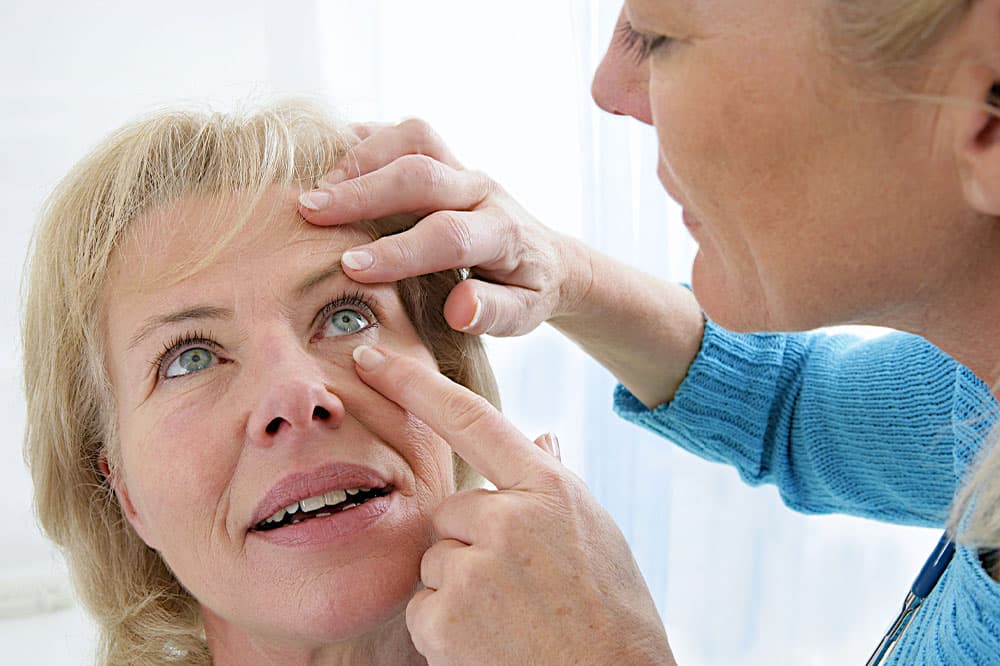
Age-related Macular Degeneration (AMD) is a common condition that affects the macula – a light-sensitive tissue at the back of the eye. Age-related Macular Degeneration is the top cause of blindness in people over 65, affecting more than 6 million people today. As you age, AMD can cause a progressive loss in central vision (the ability to see objects clearly). It can lead to vision loss or blurriness of things you see with your central eye. Here we will take an in-depth look at what causes AMD, how it affects your eyesight, and what treatments are available. What is macular degeneration? Macular degeneration is a disease that affects the macula or the light-sensitive tissue at the back of your eye. It causes blurred vision and loss of central vision (the area where you see things clearly). This can make driving dangerous or impossible for some individuals who have lost their peripheral vision because they cannot judge distances accurately anymore. Risk factors In general, the following risk factors are associated with AMD: Age (50 or older) Gender (men more likely than women) Family history of AMD in first-degree relatives (parents and siblings), especially if there is a tendency for early onset of the condition High-risk factors include high blood pressure, cholesterol, smoking, and diabetes. Symptoms of AMD There are many symptoms of macular degeneration, including: Poor central vision (the ability to see objects clearly) Vision loss in the center of your field of vision Difficulty reading text or other small print Blurriness What causes age-related macular degeneration? Age-related macular degeneration (AMD) is a form of vision loss that affects the central part of your retina. It can make it hard to see faces, read, watch TV, and more. Your peripheral (side) vision may remain normal. Experts do not know precisely what causes AMD or how people get it, but they know that smoking cigarettes increases your risk of developing AMD by 50%. Current research shows that smoking increases your risk of developing AMD by 40% – 80%. Many treatments are available for patients with early stages of this condition, so do not hesitate to talk with ophthalmologists about options for managing any issues you may have related to this disease! Management options of AMD There are several treatment options for AMD, including: Laser treatment This can be performed on the eye’s surface or, in more advanced cases, within the back of the eye. Laser therapy is also a good option if you have cataracts but no other AMD symptoms. The laser helps dissolve blood vessels causing inflammation and pain in your eyes, preventing new blood vessels from forming so they do not become inflamed again over time (this might take months). Drug therapy (topical medications) There are several drugs available for treating dry eyes caused by AMD: artificial tears, anticholinergics such as tetracycline hydrochloride (a medicine used for many types of infections), cyclosporin A injection given into muscle tissue at least once daily until improvement occurs; steroids like prednisone can be taken orally as well as injected into muscle tissue regularly until improvement occurs; topical lubricants containing polyethylene glycols may help reduce sensitivity due to dryness/burning sensation. Life-style modifications for people with AMD Eat a healthy meal Get regular exercise Stay socially active Limit consumption of hard drinks Get enough sleep every night—at least 7 hours per night without interruption—and try not to nap during the day. Manage stress as much as possible. How to treat age-related macular degeneration? Several things can help improve your vision if you have age-related macular degeneration. The first is to find a doctor who specializes in treating this condition. Your eye care professional will want to know all about your medical history and any other health conditions that might also affect your eyes or body. You should follow a healthy meal plan and increase your physical activity levels by joining an exercise program or walking more often throughout the week. In addition to getting regular eye exams at least every year, people with macular degeneration need to keep track of how much sleep they get each night because chronic lack of rest can cause further damage to their eyesight. What are the remedies for age-related macular degeneration? If you have macular degeneration, taking care of your eyes is essential. The best way to do this is by eating healthy meals and exercising regularly. You should also ensure that you have regular eye exams so your doctor can monitor the progression of the disease in case it progresses faster than expected. In addition, certain medications can help prevent further damage from developing if left untreated, while others can be used as a treatment once symptoms appear (like laser surgery). To ensure all of these options are noticed and utilized, ensure you get an early diagnosis and treatment for macular degeneration! There are currently several options to consider when managing age-related macular degeneration. Supplements For several reasons, following a proper meal plan is essential to managing this condition. Several natural remedies can be used to treat macular degeneration: Vitamin C (ascorbic acid) This vitamin acts as an antioxidant in the body and effectively reduces the effects of oxidative stress caused by free radicals in the eyes. It also helps maintain healthy endothelial cells in the retina that nourish blood vessels. Conclusion The best thing people can do is visit their doctor regularly for regular checkups. We hope the above options help you manage, if not cure, AMD. Proper management of AMD can help avoid losing vision once and for all. Managing AMD is a better solution to living a happy and healthy life. This includes adhering to a strict meal plan, following proper workouts, and having a positive mindset to combat any unforeseen circumstances. In case of any confusion, it is recommended to reach out to your healthcare professional.