
“Dressing to the occasion” is an essential part of getting in the groove of the celebration. Also, understanding the nature of outfits worn for different occasions helps one set the mood effectively. Moreover, researching current fashion trends and the outfits commonly worn at specific events can ensure the best of both worlds. So, here are some common occasions, fashion tips for each, and ways to avail of the best fashion deals: Some common occasions and fashion tips Weddings The first aspect to consider while dressing for weddings is whether a dress theme has been set. For example, some weddings may have a formal dress theme, typically involving a formal dark blazer, white shirt, and a tie, if not a tuxedo. Elaborate cocktail or long-flowing dresses are perfect when attending a wedding. In contrast, tropical or destination weddings may have a casual wedding theme, wherein guests may select their outfits depending on the location. Outfits like sundresses and guayabera shirts may be perfect for such weddings. Pairing a sundress or polka-dot dress with a hat and sunglasses is a great idea for day destination weddings. Cocktail parties Since cocktail parties are typically semi-formal, classic ensembles like jumpsuits, knee-length cocktail dresses and skirts, and stylish trousers may be ideal. Bright-colored dresses are common at cocktail parties; these outfits may be paired with formal flat footwear or heels for an impressive look. Besides, kitten heels or pumps may be best suited to these occasions. Proms A prom is a formal event; therefore, proper outfits like a tuxedo or a suit, complete with a tie, are ideal for the occasion. Moreover, one’s dress should suit one’s body type and help one stand out amid the crowd. A long formal gown with a slit can also facilitate a quintessential prom night look. Today, Barbie-inspired outfits of different colors and dresses with corset designs are becoming popular prom night ensembles. Formal events Formal events such as conferences, launches, and sportspeople dinners require wearing prim-and-proper outfits, primarily suits, tuxedos, ties, long-flowing dresses, and pencil skirts paired with formal shirts. Dresses that overexpose the skin should be avoided, and appropriate formal shoes should be chosen for the occasion. Some semi-formal events may allow one to wear full shirts paired with jeans; however, the general dress code of the event should be considered before one makes a purchase decision. Clubbing nights The outfits worn to nightclubs should be casual, so one can easily blend in with the informal and fun vibes. Tank tops, crop tops, button-down shirts, and midriff tops paired with jeans or a skirt can also be worn to give a simple yet classy look. However, one should wear outfits that facilitate ease of movement, as clubbing typically involves dancing. Tips and tricks to get the best out of promo codes and discounts Carry out a quick search A quick search on leading websites and eCommerce platforms offering promo sites and discount codes can reduce costs, especially when multiple products are purchased on such websites. One may also look for promo codes on specific retail websites, a common way to grab discounts on online purchases. Bookmark coupon websites One may also bookmark popular coupon websites and check out the available codes. However, the website should be well-equipped to delete expired coupon codes and display only the active ones. Hence, it helps to determine which coupon websites are the most reliable out of the several ones available. Check out the store’s coupon page Many websites may have personal coupon pages; however, these are often difficult to find and are typically ignored. It helps to thoroughly scan one’s preferred fashion website to check whether any such pages are available. A Google search on coupon pages of specific websites may also help find these web pages. Sign up for newsletters Many retail websites offer discounts and promo codes to incentivize signing up for their newsletters. Such promo codes can help one avail of significant discounts on their subsequent shopping spree. Chat with the customer service agent Chatting with a customer service agent using the live chat feature on websites can help one understand the different promo codes and discounts available on various products. This feature is now available on most leading fashion eCommerce websites. Purchase in bulk Often, many websites offer promo codes and discounts on the total purchase value, with higher discounts on bigger purchases. Thus, if one has a list of fashion items to purchase, it helps to buy all of these products in bulk instead of spacing out one’s purchase. This strategy can help one avail of promo codes and excellent discounts. Check out different options While one may have certain top preferred websites for their retail therapy, checking out different fashion websites and their products can help ensure variety and broaden one’s horizons for better discounts and fashion deals. It helps to Google one’s requirements once in a while and thoroughly research the different retail websites, their offerings, and price ranges. Most importantly, online safety is paramount; thus, checking out online reviews of different websites and brands and enquiring with friends and family before trying out new ones is essential. Strategic online shopping is the key to availing of the best fashion deals on online fashion eCommerce platforms. It helps to understand one’s requirements vis-a-vis the occasion and look for discounts and offers on specific products, such as outfits, accessories, and footwear. If you are unsure of the dress code for any occasion, it is better to research than dress inappropriately.

Transforming your backyard can be an exciting project. You could create a hangout spot, install sculptures, or even add a garden. However, adding plants to a backyard can require considerable time and effort. If you are taking up gardening for the first time, you do not want to miss key steps that affect the look of the space. So, to help you get started, here are a few gardening mistakes and how to avoid them: Planting excessively You may spend immense amounts of time scrolling through seed catalogs and looking forward to fresh vegetables and sometimes can end up planting too much. A big garden may require a lot of effort and can become overwhelming. So, if you have just taken up gardening, start small. First, shortlist your five favorite vegetables and herbs, and grow them. As you have some success with these plants, introduce new seeds to the space to gradually expand the garden space. Planting too early Seeds require an optimum temperature to sprout and grow. If some seeds thrive in warmer temperatures, the yield may freeze and die if you try to grow them in spring. The seed may also rot without sprouting. So, you must check what climates are suitable for each type before spreading them across the garden. One of the best ways to avoid planting earlier than required is to buy a good soil thermometer and note the usual first and last frost dates in your area to avoid this period for starting a garden. Overlooking the soil type Another mistake to avoid is planting seeds without checking whether the soil is loamy. If your backyard does not have loamy soil—rich in silt, clay, sand, and organic matter—the seeds will get sufficient nourishment, and the saplings may grow weak and perish quickly. So, before you start a garden, ensure you amend the soil to make it ideal for plant growth. For instance, clay-heavy soil may need additional sand and organic matter to reduce compaction. A sandy composition may require well-rotted manure or compost to improve moisture retention and nutrients. Adding too much nitrogen Plants require nitrogen to produce chlorophyll. However, avoid adding too much of this gas to the soil, as it may make the yield leggy and leafy. The additional foliage may affect the roots and prevent them from growing and spreading at a normal rate. This may lead to the plants producing little or no fruit and becoming susceptible to damage from insects and diseases. Further, the introduction of excess nitrogen may trigger a spike in mineral salts, which could make the plants look sunburned. So, if you have just started tilling the soil for your garden, ensure that you add nitrogen based on the plant’s requirements. You can speak to an expert or contact a nursery about how much nitrogen to introduce to the soil for a particular variety of seeds. Underwatering the soil Planting seeds and fertilizing the soil are the first steps in building a garden. You also need to water the patch regularly to ensure the seeds sprout and grow well. Failing to water the garden, especially in hotter temperatures, can lead to the plants not getting enough nourishment. One way to check whether the garden needs to be watered is the finger test. If the garden is loamy, stick your finger 2 inches into the soil; if it feels moist, it does not need to be watered. For sandy soil, follow the same princess but go two inches lower. With clay, if the fingers cannot easily move 2 inches into the soil, it may require water. Overwatering the soil Adding too much water to the soil can also affect the growth of plants. The excess water could end up waterlogging the roots, which may prevent them from getting sufficient oxygen. If you see plants starting to wilt, it could be a sign of overwatering. Further, many plant types may wilt in the daytime and revive when the temperature gets cooler in the evening; here, you do not need to water them. One of the best ways to avoid overwatering and improve root growth is by watering deeply but less often. Choosing the wrong type of plants While certain types of plants may look good or bear fruits that you enjoy, they may not thrive in your region. So, before you choose seeds for your garden, you should consider a few factors: – Check the hardiness zones so that you can plant seeds that thrive in your area. – Plants that require lots of moisture may not grow well in areas prone to droughts. Further, plants that do not require lots of water may not thrive in a region where it rains regularly. – Seeds that have a long maturation date may not grow and produce well where the shorter gardening seasons. Not hiring a professional Another error you could make is not hiring a professional to help you with your gardening needs. As it is your first time trying to create a garden, seeking the advice of an expert or hiring one to do the job could help you learn about the process. Further, it is essential to look for reliable gardening contractors in your area, as they would be well-versed in aspects like soil requirements, climate, and types of plants that could grow in that region. Top providers, like TruGreen, earlier known as ChemLawn, offer services in most states, so you can find a professional near you. The company offers services such as root zone fertilization, insect and mite control, and disease control. TruGreen also provides handy services, like fertilization and weed control, through its lawn care packages. The company also has expertise in mosquito control and prevention to help you enjoy spending time in your backyard in the summer. You can explore everything there is to know about the brand and look for quotes on its official website.
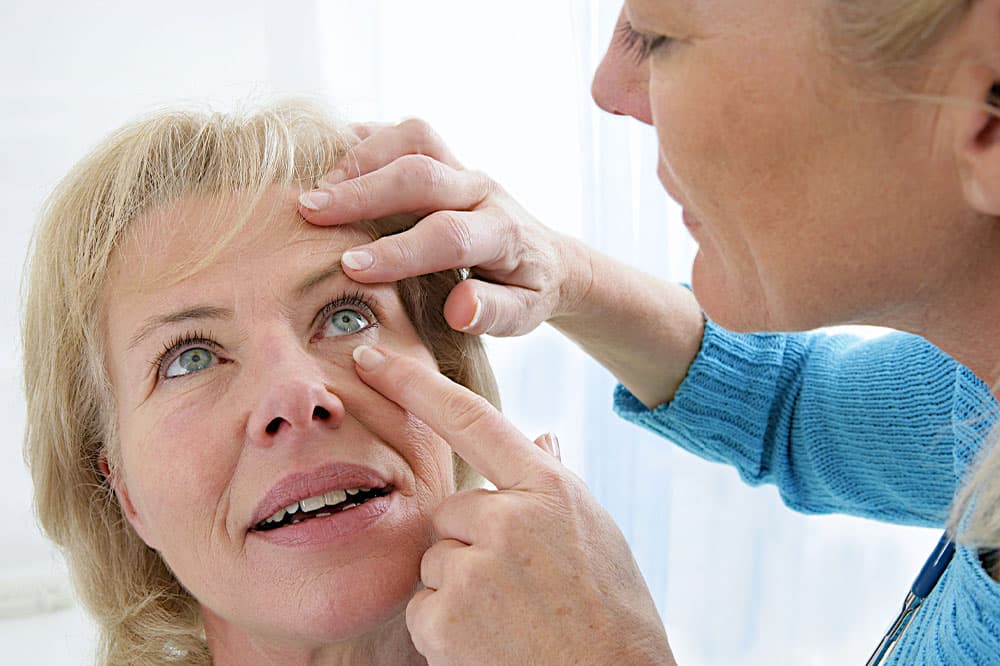
Age-related Macular Degeneration (AMD) is a common condition that affects the macula – a light-sensitive tissue at the back of the eye. Age-related Macular Degeneration is the top cause of blindness in people over 65, affecting more than 6 million people today. As you age, AMD can cause a progressive loss in central vision (the ability to see objects clearly). It can lead to vision loss or blurriness of things you see with your central eye. Here we will take an in-depth look at what causes AMD, how it affects your eyesight, and what treatments are available. What is macular degeneration? Macular degeneration is a disease that affects the macula or the light-sensitive tissue at the back of your eye. It causes blurred vision and loss of central vision (the area where you see things clearly). This can make driving dangerous or impossible for some individuals who have lost their peripheral vision because they cannot judge distances accurately anymore. Risk factors In general, the following risk factors are associated with AMD: Age (50 or older) Gender (men more likely than women) Family history of AMD in first-degree relatives (parents and siblings), especially if there is a tendency for early onset of the condition High-risk factors include high blood pressure, cholesterol, smoking, and diabetes. Symptoms of AMD There are many symptoms of macular degeneration, including: Poor central vision (the ability to see objects clearly) Vision loss in the center of your field of vision Difficulty reading text or other small print Blurriness What causes age-related macular degeneration? Age-related macular degeneration (AMD) is a form of vision loss that affects the central part of your retina. It can make it hard to see faces, read, watch TV, and more. Your peripheral (side) vision may remain normal. Experts do not know precisely what causes AMD or how people get it, but they know that smoking cigarettes increases your risk of developing AMD by 50%. Current research shows that smoking increases your risk of developing AMD by 40% – 80%. Many treatments are available for patients with early stages of this condition, so do not hesitate to talk with ophthalmologists about options for managing any issues you may have related to this disease! Management options of AMD There are several treatment options for AMD, including: Laser treatment This can be performed on the eye’s surface or, in more advanced cases, within the back of the eye. Laser therapy is also a good option if you have cataracts but no other AMD symptoms. The laser helps dissolve blood vessels causing inflammation and pain in your eyes, preventing new blood vessels from forming so they do not become inflamed again over time (this might take months). Drug therapy (topical medications) There are several drugs available for treating dry eyes caused by AMD: artificial tears, anticholinergics such as tetracycline hydrochloride (a medicine used for many types of infections), cyclosporin A injection given into muscle tissue at least once daily until improvement occurs; steroids like prednisone can be taken orally as well as injected into muscle tissue regularly until improvement occurs; topical lubricants containing polyethylene glycols may help reduce sensitivity due to dryness/burning sensation. Life-style modifications for people with AMD Eat a healthy meal Get regular exercise Stay socially active Limit consumption of hard drinks Get enough sleep every night—at least 7 hours per night without interruption—and try not to nap during the day. Manage stress as much as possible. How to treat age-related macular degeneration? Several things can help improve your vision if you have age-related macular degeneration. The first is to find a doctor who specializes in treating this condition. Your eye care professional will want to know all about your medical history and any other health conditions that might also affect your eyes or body. You should follow a healthy meal plan and increase your physical activity levels by joining an exercise program or walking more often throughout the week. In addition to getting regular eye exams at least every year, people with macular degeneration need to keep track of how much sleep they get each night because chronic lack of rest can cause further damage to their eyesight. What are the remedies for age-related macular degeneration? If you have macular degeneration, taking care of your eyes is essential. The best way to do this is by eating healthy meals and exercising regularly. You should also ensure that you have regular eye exams so your doctor can monitor the progression of the disease in case it progresses faster than expected. In addition, certain medications can help prevent further damage from developing if left untreated, while others can be used as a treatment once symptoms appear (like laser surgery). To ensure all of these options are noticed and utilized, ensure you get an early diagnosis and treatment for macular degeneration! There are currently several options to consider when managing age-related macular degeneration. Supplements For several reasons, following a proper meal plan is essential to managing this condition. Several natural remedies can be used to treat macular degeneration: Vitamin C (ascorbic acid) This vitamin acts as an antioxidant in the body and effectively reduces the effects of oxidative stress caused by free radicals in the eyes. It also helps maintain healthy endothelial cells in the retina that nourish blood vessels. Conclusion The best thing people can do is visit their doctor regularly for regular checkups. We hope the above options help you manage, if not cure, AMD. Proper management of AMD can help avoid losing vision once and for all. Managing AMD is a better solution to living a happy and healthy life. This includes adhering to a strict meal plan, following proper workouts, and having a positive mindset to combat any unforeseen circumstances. In case of any confusion, it is recommended to reach out to your healthcare professional.

Respiratory Syncytial Virus (RSV) infection is a disease caused by the respiratory syncytial (sin-SISH-uhl) virus. It is quite a common respiratory health condition in many areas around the world. In most cases, this disease is not overly dangerous. So, the affected people get recovered within a week or two. However, RSV infection can have serious health consequences for infants and older adults. Here are a few tried-and-tested ways to avoid respiratory syncytial virus infection (RSV): Wash hands frequently with soap The respiratory syncytial virus tends to stay on one’s hands when they touch infected surfaces. So, whether a person is at home all day or goes out to buy groceries or run errands, they are likely to have the viral particles stuck on their hands at some point. Washing one’s hands regularly with soap and water is an effective way to eliminate these particles from there. One needs to wash their hands with soap and water for at least 20 seconds to get the best results. Alternatively, one can also carry a can of sanitizer with them wherever they go. This can be used to regularly sanitize and disinfect hands. Avoid touching possibly contaminated surfaces The respiratory syncytial virus particles are surprisingly easy to spread from one surface to another. If the viral particles are somehow present on a switchboard inside a house, everyone who touches it will have the viral particles on their hands in no time. This problem is especially pronounced outdoors. While one can disinfect surfaces inside their home, that is impossible outdoors. This is why people must avoid touching any surfaces outdoors or indoors as much as possible. This is especially necessary for often-touched surfaces such as elevator buttons, thrash cans, staircase handles, seats and handles in public trains and buses, and similar others. Avoid touching one’s eyes, nose, and mouth with unwashed hands Now, admittedly, even attempting to avoid touching any surface all day long is impossible. Inevitably, people are going to touch possibly infected surfaces and get the viral particles on their hands. The intended pathway of the virus into the human body is through an individual’s eyes, nose, and mouth. When the virus particles successfully enter these parts, a person is likely to become sick soon. To avoid this outcome, one must avoid touching their face with their unwashed or unsanitized hands. While this is a difficult thing to do, it is slightly easier than simply not touching any surfaces in one’s immediate environment. Clean and disinfect surfaces regularly The respiratory syncytial virus spreads through the airborne channel. So, if someone inside one’s home has the infection, every time they sneeze, cough, or even talk, the viral particles will be emitted from their mouths and noses. These particles then settle on various surfaces in and around the house. To avoid the spread of the infection, one needs to disinfect and sanitize all surfaces in and around the house regularly. Understandably, doing so outside one’s house will not be possible. One can use disinfectants, sanitized wet wipes, or simple old soap water to do the cleaning efficiently. Cover the mouth while coughing and sneezing As implied earlier, the respiratory syncytial viral particles spread through the droplets one emits when coughing or sneezing. So, if there are people in and around the same room with infected people coughing or sneezing, then the former is likely to breathe in the viral particles floating in the air in those droplets. To avoid this, it is advisable for infected people to cover their mouths and noses with their elbows or a handkerchief when they cough or sneeze. In fact, everyone must follow this principle, regardless of whether they are infected or not. This helps slow down the spread of the Respiratory Syncytial Virus infection. Apart from that, covering one’s coughs and sneezes is also a useful etiquette to form in one’s personality whether they are indoors or outdoors. Stay home to prevent the spread of infection Staying home prevents the possibility of being in close proximity to someone outdoors who is infected. This automatically reduces the likelihood of contracting the disease. Many kids going to school or people stepping out of their houses to earn a living may not have the option of working from home. In such instances, it is imperative for school administrators and employers to show empathy and allow remote schooling and remote work for students and employees, respectively. By doing so, the spread rate of Respiratory Syncytial Virus infection is drastically reduced, and the most vulnerable (elders, infants) are not exposed to the virus. Avoid close contact with infected persons People who are infected with the respiratory syncytial virus need to be quarantined. This means affected people should remain housed in an isolated room until they are fully fit. Those who are not infected, they need to stay at least six to ten feet away from those who are. This ensures that they do not contract the disease too and, in turn, spread it to those around them. Again, this is easier said than done, especially in outdoor settings. Therefore, one must maintain a respectable distance from everyone around them during RSV seasons. Stay away from crowded zones Crowded zones are hotspots for the spread of infection, especially during the months when RSV infection rates are high. Therefore, as much as possible, one is advised to stay away from places where even a small group of people are present. Even if one individual in a large crowd has the infection, they become superspreaders and can easily transfer the infection to everyone around them. While most people would recover from the infection after a week or two, the most vulnerable people who get it are likely to become sick and hospitalized. So, staying away from crowds as much as possible is needed.

Collecting precious coins can be more than just a hobby, as rare coins are good not only for the collection but also for the pocket. Coins with accidental defects have emerged as rare and valuable over the decades and are often worth a sizable amount. Today, several vendors selling such coins have emerged in the online space. Here is a list of a few such rare coins one can find today: The 1804 Silver Dollar The 1804 silver dollar is worth over $5 million if sold in good condition. Today, only 15 samples of this coin are known to exist. Surprisingly, although the coin is referred to as the “1804 silver dollar,” 1804 is not the year when it was first minted. These coins were first minted around 1834–35 when the U.S. Department of State decided to gift coin sets to Asian rulers who agreed to grant trade concessions to the country. The coin is categorized into three classes based on the period of its inception. Class I coins were minted during the 1830s and presented to Asian rulers. Class II coins are the ones minted from 1858 to 1859 as an experiment by U.S. Mint employees. Finally, the Class III coins also came into existence in the 1858–59 period to be presented to certain favored collectors. The 1794 Flowing Hair Silver Dollar This coin is worth $10 million and is extremely rare to lay hands on today. The primary reason for its high value is that less than 1,800 such coins have been minted from the time of its inception in 1794–1795. The coin entails Lady Liberty with flowing hair on its front side, and an American eagle embossed on the flip side. It was developed following a study conducted by President George Washington and Alexander Hamilton, who suggested that Congress should come up with a national mint. Consequently, the 1794 Flowing Hair Silver Dollar was the first government-minted coin. The Turban Head Eagle The Turban Head Eagle, also known as the 1804 Eagle Gold, Capped Bust, or the Capped Bust Eagle, was a government-minted coin from 1795 to 1804. Designed by Scottish-American engraver Robert Scot, this coin was the largest denomination to be authorized by the Mint Act of 1792. The production of these coins was discontinued in 1804, re-emerging three decades later in 1834 to be used in diplomatic presentations. Although Liberty wears a cap and not a turban, her headgear is ensconced by her thick locks, making it resemble a turban. Today, the turban head eagle is worth $5.1 million. The 1787 Brasher Doubloon These coins were first minted by Ephraim Brasher, a goldsmith, in the latter half of the 18th Century. Known as the “Holy Grail” of coins, it was the first gold coin to be minted in the country and is considered among the most important ones in history. The coin depicts the state seal and the rising sun on the front and the American eagle and a shield on the other side. With only seven samples of this coin having ever been minted, the 1787 Brasher Doubloon can fetch anywhere from $5 million to over $9 million today. The 1885 “Trade” Silver Dollar With only five such coins available today, the 1885 “trade” silver dollar is among the rarest coins in the country’s numismatic history. The coin was designed by engraver Charles Barber, and its existence came to be discovered nearly 25 years after its inception. As a result, there were fleeting doubts regarding its year of minting. However, research by Carl Carlston revealed that the 1884 and 1885 “trade” silver dollars were, in fact, produced during these years. Although the coin was worth about $1,600 in the early 1950s, its value has risen considerably over the decades. Today, the 1885 “trade” silver dollar is worth over $3.5 million if it is well-preserved. The 1870 Three-Dollar Gold Coin There exists only one known sample of this coin today, which was last valued at $687,500 in 1982. Historians believe that another sample of this coin was probably buried in a cornerstone of a San Francisco building a long time ago. The 1343 Edward III Florin This coin is regarded as among the world’s oldest and most expensive coins. The 1343 Edward III Florin coin is among the only three pure gold coins available today. Here, one side depicts King Edward III seated on his throne, flanked by leopard heads on either side, while the flip side features the Royal Cross ensconced in a quatrefoil. Today, two of these coins have been preserved in London’s British Museum and are priced at $6.8 million. The 1873-CC Seated Liberty Dime The 1873-CC seated liberty dime is regarded as the only unique coin from the Carson City Mint, which is said to have minted its coins using gold derived from nearby mines. Today, these dimes are worth approximately $2.7 million. The 2000 Sacagawea “Cheerios” Dollar The story behind this coin is as interesting as its name. Originally, the government minted these coins to promote the 2000 Lincoln Cent, or the “Golden Dollar,” by placing them inside over 10 million boxes of Cheerios, the signature breakfast cereal nationwide. However, the coins were accidentally minted erroneously, with the eagle tail feathers being engraved on the flip side of the coin. Today, there exist about 70 Sacagawea Cheerios coins, which are priced at around $25,000 per coin. While coin collection can be a highly rewarding activity, the process requires considerable research on the market prices of various government-minted coins. It is always a good idea to buy or hold on to coins that are likely to increase in value. Finally, one should be sure to study numismatic terms, such as “face value,” “intrinsic value,” and “circulation coins” before taking on this endeavor.

Cancer that originates in the breast tissue is called breast cancer. It is the second most common cancer among women in the country. The condition is seen in women more than men. Fortunately, advancements in screening and breast cancer treatment have enabled dramatic improvements in survival rates over the years. The symptoms include changes in the texture and shape of the nipples, discharge from the nipples, and a lump in the breast. Read on to learn the causes, types, and management options of breast cancer. Causes of breast cancer Breast cancer occurs when abnormal breast cells divide and multiply more rapidly than healthy cells. These abnormal cells accumulate to form a lump or mass. Doctors have not been able to know the exact cause of breast cancer. However, multiple factors can trigger the chances of developing the disease, and they include: Family history and genetics The risk increases if you have parents or close relatives who have been diagnosed with breast cancer. Having gene mutations such as BRCA1 and BRCA2, which are passed down from parents to children, also increases the risk. Age The risk of breast cancer increases with advancing age. Gender The risk of developing breast cancer is higher in women than in men. Personal history of breast conditions The risk increases when an earlier biopsy has indicated atypical hyperplasia of the breast or lobular carcinoma in situ or if cancer has been detected in one breast. Radiation exposure The risk of developing the disease increases if you have been exposed to radiation in your head, neck, or chest areas during past treatments. Hormone replacement therapy Women who use hormone replacement therapy may be more prone to breast cancer. Types of breast cancer Breast cancer can be categorized into two broad types— invasive and non-invasive. Invasive breast cancer Cancer that has spread from the place of origin to other parts of the body is termed invasive breast cancer. The two subtypes of this breast cancer are: Invasive ductal carcinoma This type of invasive breast cancer starts in a milk duct and spreads to nearby tissues. Milk ducts are the tubes through which milk is carried from the lobules to the nipples. Over time, cancer may metastasize to other parts of the body. Invasive lobular carcinoma This type of cancer begins in the breast lobules and spreads to nearby tissues. Lobules refer to the glands in the breast that produce milk. A thickened area of breast tissue that does not feel like the rest of the breast upon contact is usually a symptom of invasive lobular carcinoma. Some of the less common types of invasive breast cancer include: Locally advanced breast cancer If the tumor is 5 cm or larger, or the cancer cells have spread to areas such as the skin or muscle, it is known as locally advanced breast cancer. Metastatic breast cancer When cancer-causing cells have spread beyond the breast to the bones, lungs, liver, or brain, it is called metastatic breast cancer or advanced or stage 4 breast cancer. Paget’s disease of the nipple This is a rare form of breast cancer wherein cancer cells grow in the nipple or the areola. Most often, women with Paget’s disease also have either ductal carcinoma in situ (DCIS) or invasive breast cancer. Inflammatory breast cancer This is a rare type of invasive breast cancer wherein cancer cells block the lymphatic vessels of the breast. The affected breast becomes red and inflamed. Non-invasive breast cancer Cancer that has not spread beyond the tissue from where it started is called non-invasive breast cancer. The two main types of non-invasive breast cancer are: Ductal carcinoma in situ DCIS is a condition that starts in the milk ducts, but one that has not spread into surrounding breast tissues. Without timely treatment, there is a risk of DCIS becoming invasive cancer. Lobular carcinoma in situ Lobular carcinoma in situ is a benign breast condition wherein there are abnormal cells in the breast’s lobules, but they rarely turn into cancer. Treatment options There are several ways to treat and manage breast cancer and its symptoms. The treatments largely depend on the type of breast cancer and how far it has spread. Surgery In most cases, surgery may be needed to treat breast cancer. A lumpectomy, also referred to as breast-conserving surgery, removes cancer and some normal tissues surrounding it. A mastectomy is a procedure to remove the whole cancerous breast. Chemotherapy In this cancer treatment, prescriptions are administered to destroy fast-growing cancer cells. They are orally ingested or intravenously administered. They also may be given after surgery to decrease the chance of relapse. Chemotherapy may also be given before surgery to shrink larger breast tumors and enable easy removal with surgery. Hormonal therapy Breast cancers that are sensitive to hormones are treated with hormonal therapy. This treatment uses prescriptions to block hormones from attaching to cancer cells or stop the body from making estrogen after menopause. Radiation therapy This treatment uses high-energy x-rays to kill cancer cells or prevent them from growing. External radiation therapy uses high-energy beams toward the area with cancer. Internal radiation therapy or brachytherapy is done by placing a radioactive substance inside the body. Targeted therapy This type of treatment attacks specific abnormalities within the cancer cells without harming normal cells. This treatment option for breast cancer is commonly used in combination with chemotherapy. Immunotherapy To fight breast cancer, immunotherapy uses the body’s immune system. For this therapy, substances made naturally by the body or in a laboratory are used to stop or slow cancer cell growth. This treatment option can also be used in combination with chemotherapy or targeted therapy, depending on the severity of the condition. Though breast cancer cannot be prevented, there are certain things you can do to detect cancer before it spreads. For example, you should examine your breasts monthly for changes and get a routine mammogram done yearly. In addition, you should contact your healthcare provider for further examination and testing if you notice any changes in your breasts.

Atrial fibrillation (Afib) occurs when the usually stable and regular electrical impulses in the heart’s upper chambers (atria) begin firing chaotically, causing them to quiver or twitch (fibrillate). This can cause blood accumulation and clotting in the atria. These clots can reach the lungs through the blood vessels and cause pulmonary embolism or can reach the brain, resulting in a stroke. Let’s look at the forms, signs, and causes of Afib and its treatment options: Types of atrial fibrillation Afib can be classified as one or more of these: First-diagnosed Afib: Regardless of symptoms or the number or length of episodes, this refers to individuals diagnosed for the first time with Afib. Asymptomatic Afib: This condition is also called silent Afib, given the lack of signs or symptoms. A random electrocardiogram (ECG) could reveal asymptomatic atrial fibrillation. Paroxysmal Afib: Two or more episodes of the conditions that spontaneously resolve within a week are categorized as paroxysmal Afib. Persistent Afib: This refers to two or more episodes of atrial fibrillation that last seven days or more. Long-term persistent Afib: If the condition persists for more than a year, it is referred to as long-term persistent Afib. Permanent Afib: This is a chronic condition that cannot be managed using common treatment options. So here, the patient and doctor decide to stop treatment to get the heart rate back to normal and begin considering other management options. Causes and risk factors Typically, the condition is brought on by coronary artery disease or high blood pressure. Often, atrial fibrillation is triggered by an irregular heartbeat. However, it might occasionally be difficult to determine what triggered such irregularity, and there may be no apparent cause in some cases. In most cases, Afib runs in families, so if one has a family history of the condition, i.e., a close relative has the condition, the likelihood of developing the condition increases. Further, the risk of this kind of rhythm disturbance can be a result of factors like: Cardiomyopathy Atherosclerosis—the hardening of the arteries—or coronary artery disease brought on by persistent and uncontrolled high blood pressure Rheumatic heart disease in children A heart surgery Heart diseases Heart valve dysfunction Pulmonary embolism Age Chronic pulmonary disease and stress on physiological processes Symptoms Some people may not experience clear Afib symptoms, while others could experience the following: Feeling faint or light heart palpitations (a feeling that the heart is beating too hard or skipping a beat) General weakness that cannot be explained by an apparent cause; a quick heartbeat, or an irregular pulse Breathlessness, especially when exercising, resulting in inexplicable exhaustion Finding it more difficult to exercise Management options Doctors may recommend one or more of the following methods to treat atrial fibrillation, depending on the severity and type: Prescription options: The initial line of treatment for atrial fibrillation is prescription options. While these may not treat atrial fibrillation, they frequently assist in making the symptoms bearable. This could include: Controlling the heart rate : During atrial fibrillation episodes, slowing down or regulating the heart rate can significantly relieve the symptoms. Prescription options are recommended by doctors to regulate heart rate during bouts of atrial fibrillation. Stroke prevention : Patients with a high risk of stroke may be prescribed blood thinners, and other prescriptions may be recommended for those at a lower risk. Devices or surgical options that could eliminate the cause of the stroke may also recommend to patients. Controlling the heart rhythm : Afib events can be avoided by maintaining the heart’s rhythm in the normal sinus rhythm, i.e., the healthy state. For low-risk patients, prescriptions referred to as antiarrhythmic options can help manage cardiac rhythm. Catheter ablation: Here, the doctors may carefully remove portions of the heart tissue. In this minimally invasive operation, doctors focus on eliminating the source of the faulty electrical signals or rerouting the signals that are causing irregularities in the heartbeat. Typically, thin, flexible wires (catheters) are inserted into a vein to the heart. The wire’s tips have electrodes that transmit radio waves, which produce heat and damage the chosen cardiac tissue to stop the abnormal signals in the heart. Left atrial appendage closure: People with A-fib who are unable to use blood-thinning treatment options can reduce their risk of blood clots and stroke with LARIAT surgery. Here, the doctor threads a catheter with a suture to the heart. The left upper chamber is then closed, and as a result, blood clots cannot leave the chamber and travel to the brain, where they could cause a stroke. The LARIAT procedure is carried out by making tiny punctures in the skin as opposed to standard surgical procedures, thereby enabling quicker recovery and lower risk of problems. Surgical procedures: Some people benefit from surgery, in addition to prescription options and catheter ablation. For those with the conditions listed below, the “traditional” or “cut and sew” MAZE treatment is a surgical option. It is usually recommended when: Despite other treatments, atrial fibrillation symptoms persist One experiences serious symptoms One requires surgery for a valve or a coronary artery bypass graft One has a heart attack The MAZE method places electrical barriers or blocks in the atria, the upper heart chambers, which reroute the aberrant electrical signals from the heart that cause atrial fibrillation and restore regular heart rhythm. A heart-lung bypass machine is used during this open-heart surgery, which is conducted by making a sternotomy incision in the patient’s chest. Pacemaker: A pacemaker may be helpful for persons with certain heart rhythm issues, especially when the heart pumps too slowly. A pacemaker is a tiny, battery-operated device that administers modest electrical impulses to the heart, assisting it in establishing regular, efficient beats. Permanent pacemakers are placed in the chest using local anesthesia and non-invasive surgery. The doctor will make a tiny incision in the wall of the chest just below the collarbone, after which cables (called leads) are inserted into the upper chest and reach the heart.

The body rest and rejuvenates during the night sleep, but some individuals constantly battle the tides of drowsiness and sleep attacks during waking hours. Such individuals may be suffering from a neurological condition called narcolepsy. This sleep disorder presents unique challenges for those affected. The unexpected sleep attacks can disrupt one’s daily life, including productivity, relationships, and overall well-being. Here are the most common signs, causes, and strategies to support those navigating this condition. What is narcolepsy? Narcolepsy is a chronic neurological disorder that disrupts the normal sleep-wake cycle. People with narcolepsy often feel excessively sleepy during the day, struggling to stay awake and alert. These unexpected bouts of sleep can interfere with their normal routine and productivity, making it difficult to concentrate, perform tasks, and engage in social activities. Narcolepsy is a lifelong condition, typically emerging during adolescence or early adulthood. Narcolepsy Signs Unexpected sleep episodes Narcolepsy can trigger sudden and uncontrollable sleep episodes, commonly known as sleep attacks. People with narcolepsy may find themselves falling asleep during conversations, while at work or school, while driving, or even during social gatherings. These sudden sleep attacks can be disruptive and potentially hazardous. Fragmented sleep Apart from this, individuals with narcolepsy may often have difficulty staying asleep at night due to fragmented sleep and insomnia. They may also experience automatic behaviors, where they briefly fall asleep during activities like eating or talking, continuing them without realizing it, or even driving, which can pose a serious risk to one’s life. Sleep paralysis Sleep paralysis is a condition that brings a temporary loss of muscle control. The condition occurs when one’s brain doesn’t transition smoothly between sleep stages, and one may find it impossible to move. This state may last a few seconds to some minutes and usually passes quickly. Muscle weakness (Cataplexy) A distinct symptom of narcolepsy is cataplexy, characterized by sudden muscle weakness or loss of muscle control. Strong emotions like laughter, surprise, or anger can trigger these episodes. During a cataplectic episode, individuals may experience temporary paralysis or a weakening of specific muscle groups, sometimes causing them to collapse or struggle to move. Cataplexy can range in severity and significantly impact a person’s quality of life. Hallucinations People may find these hallucinations confusing and alarming, further contributing to disrupted sleep patterns and overall distress. Hallucinations may be characterized by strong and convincing feelings about something that is not present in reality. These episodes may occur just before falling asleep or waking up. One who experiences sleep paralysis and hallucinations is more likely to be diagnosed with narcolepsy. These symptoms, however, may not always mean that one is suffering from narcolepsy. Sometimes, they may be caused by other health concerns or lifestyle changes. It’s best to consult a healthcare professional who specializes in sleep disorders. A thorough assessment of one’s signs, healthcare examinations, and family history can help the doctor confirm the diagnosis and give proper and personalized treatment. Possible causes of narcolepsy Brain chemistry Recent studies have shown an association of narcolepsy with an imbalance in certain neurotransmitters and chemicals in the brain. A brain chemical called hypocretin governs sleep, and certain brain neurons work together to stabilize one’s sleep-wake cycles. It is believed that a lack of hypocretin throws off the neurotransmitter balance that regulates alertness and sleep. Autoimmune disorders Autoimmune disorders occur when the immune system mistakenly identifies healthy cells in the body as foreign or harmful and launches an attack against them. This misguided immune response leads to the destruction or dysfunction of healthy tissues and organs. In narcolepsy, one’s immune system is known to attack the hypocretin-containing brain cells. Family history One’s family history plays a significant role in one’s risk of developing narcolepsy. While it may also affect anyone, about 10 percent of people with the condition had a close relative or family member suffering from the condition. Brain injuries Any brain injury resulting from accidents or head trauma, or the presence of a tumor, can also significantly increase an individual’s risk of developing narcolepsy. The traumatic impact can disrupt the delicate balance of brain chemistry and interfere with the normal functioning of sleep-wake regulatory systems. Apart from these, any chronic physiological stress or major hormonal changes like menopause, a sudden switch in one’s lifestyle and sleep patterns, as well as infections, can also trigger one’s condition. Natural ways to manage narcolepsy Consider taking power naps Setting aside 20 minutes to an hour during the day to rest can help one to manage sleepiness and also help one’s body to rejuvenate and restore its energy levels. Going to bed and waking up at the same time each day can help regulate sleep patterns and reduce excessive daytime sleepiness. Acupuncture While the precise mechanisms behind acupuncture’s effects are still being explored, this ancient practice offers a potential avenue for managing narcolepsy symptoms naturally. Lifestyle adjustments Making certain lifestyle modifications can have a positive impact on managing narcolepsy. Establishing a consistent sleep schedule and creating a sleep-friendly environment with a cool, dark, and quiet bedroom can enhance sleep quality. Regular physical activity like swimming, walking, dancing, cycling, and yoga can also contribute to better overall sleep, better balance and fitness, and increased wakefulness during the day. It can keep one’s muscles engaged and strengthen them, which usually tend to go limp in those with narcolepsy. Avoid caffeine Avoid caffeine after 2 PM. Caffeine is a stimulant that heightens one’s awareness, so one’s body may find it difficult to wind down if one has coffee or drinks with caffeine in the evening or at night. It can also negatively affect one’s quality of sleep. Mind-body techniques, herbal remedies, aromatherapy, acupuncture, and lifestyle alterations offer promising avenues for symptom relief and overall well-being. It is essential to approach natural treatments with caution. Consultation with a healthcare professional or a physical therapist can provide guidance on appropriate exercise routines.