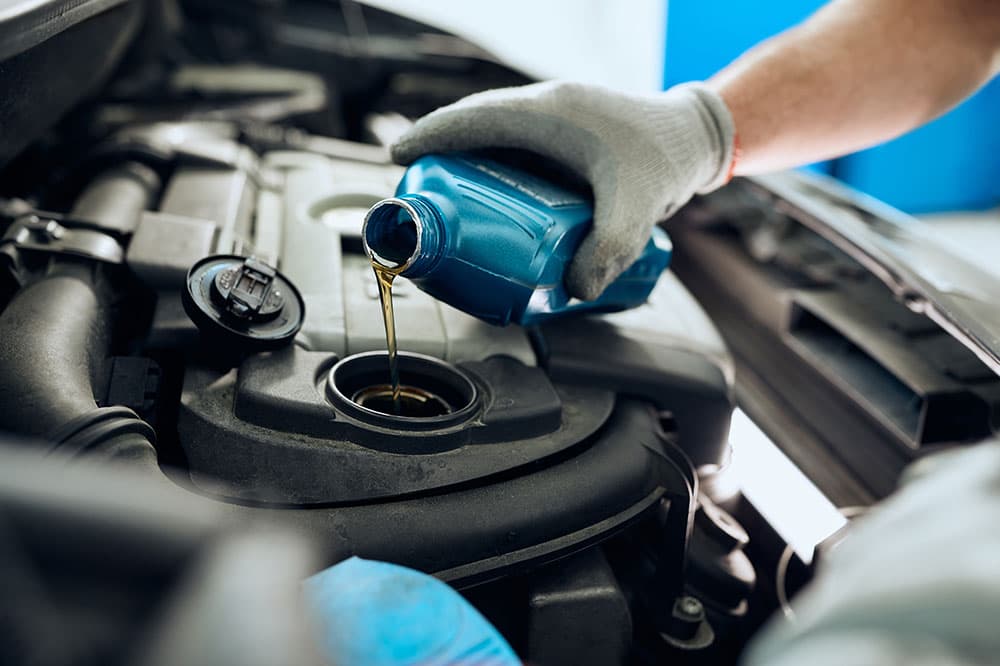
Car maintenance sounds like a straightforward task. Once every few months, you drive to the garage and have qualified technicians check the vehicle for flaws that affect performance. It’s an ongoing process you must follow for any make and model of vehicle. However, there are common maintenance mistakes that you may not even realize you’re making, which can impact your vehicle’s overall performance. Here are the top nine car maintenance mistakes that you should avoid. Servicing with any garage It’s always better to get your car serviced from an authorized garage franchising with the car brand. For example, if you’ve bought a vehicle from local Dodge dealers, it’s beneficial to take it for servicing at Dodge dealership-owned garages for repairs and periodic maintenance. When it comes to specialty vehicles, it’s crucial to have technicians who are experienced in using the right tools and performing repairs, maintenance, and replacements. It’s important to avoid having unqualified or uninformed individuals working on these vehicles at a local garage. Not using genuine parts Vehicle spare parts are sold a dime a dozen since there are many cheap knockoffs that you can get for a fraction of the price. Duplicate or refurbished parts increase the risk of significant safety concerns, especially when you buy brake pads, electrical components, and other engine parts critical to the vehicle’s performance. There is no guarantee if that part will work or even risk total engine failure with prolonged use. And since knockoff parts are not covered under warranty, you’ll have to pay out of pocket to replace the same parts. Instead, buy original brand parts and genuine spares sold by authorized dealerships for repairs and replacement. Skipping the car wash Washing the car now and then takes care of the vehicle’s exterior. All metal components are exposed to the elements of the weather and harsh pollutants in urban areas. These toxic reactions trigger changes that lead to rust, pitting, and damage to the metal framework. Premature rusting greatly impacts the structural integrity of your vehicle. So never skimp out on spending a few dollars every other week at the car wash and prevent paint erosion leading to rust. Not paying attention to safety lights Modern-day vehicles come with inbuilt safety features. Multiple lights on the dashboard and the digital console synced to the vehicle hint of the slightest damage or malfunction affecting performance. One of the most prominent safety features is the check engine light, the tiny red logo that mirrors the outline of an engine. If this light is blinking continuously on the dashboard, it’s a sign that there is some problem with the engine. You should never ignore these warnings, as delays in repairs can result in extensive damage and even permanent breakdown. Moreover, safety lights are also installed to indicate the battery health, oil filters, and other engine components. Ignoring the TPMS Most modern-day vehicles come with the Tire Pressure Monitoring System, which is an important upgrade feature. This system constantly monitors tire pressure, whether the vehicle is in motion or parked. This minimizes the risk of accidents caused by premature wear and tire blowouts while driving at high speeds. Moreover, weather conditions significantly impact tire air pressure, with harsh cold weather causing a rapid reduction that makes it challenging to control the vehicle. Therefore, it is crucial to keep an eye on the TPMS and inflate the tires promptly when the pressure drops to ensure a safe and comfortable drive. Ignoring wheel alignment Terrain conditions, driving conditions, driving preferences, and even overall weather can all directly impact the wear and tear of the tire. It’s one of the main reasons wheel alignment must be done to ensure better stability and control of the vehicle. With proper wheel alignment, you can overcome understeering or oversteering in one direction, which can make you feel like your vehicle is pulling to one side. Since it’s a critical car maintenance task, it’s best to have it done by professionals at a garage. So, schedule these tasks as recommended by a technician who can check to see if the alignment is due at your next vehicle service. Not getting the filters checked Your car has two primary filter systems for the air and oil intakes. Oil filters keep the engine oil and other lubricants flowing within the components free of debris and pollutants. This filter mainly prevents the oil from forming sludge and causing the engine to stall at high speeds. Further, a dedicated air filter removes debris and pollutants from the oxygen the engine absorbs for internal combustion. The air filters also pump out the hot air coming from the engine to maintain a neutral temperature. Both filters must be replaced after periodic intervals to ensure the system functions correctly. This repair and maintenance task should never be ignored. Filters can be replaced at the dealership repair shop, where you can shop for genuine parts. Ignoring periodic oil change All vehicles require engine oil, transmission fluids, and other lubricants that help reduce friction between all moving parts in the motor assembly. Without these fluids, the engine can degrade and even stop working altogether. Therefore, it is crucial to ensure your vehicle does not break down while driving on the freeway. Changing the oil every 7,000 miles or as suggested by the manufacturer in the car user manual will prevent these damages to the engine. This applies to all lubricants used in the vehicle. Not getting parts checked Braking systems and electrical components require periodic checking to ensure the safety of the vehicle while driving. And brakes are powered by hydraulics, which requires an electric motor to pump the fluids in and out of the braking assembly. All these systems are interconnected and depend on the proper functioning of individual components. Ensure these parts are also serviced properly at the next check.

Drinking water is essential to keep body organs functioning at their optimum best. However, drinking too much or too little can affect the body in many ways. Dehydration can often affect cognitive functions, memory, and physical performance. Therefore, drinking water the right way at the right time is essential. Although most people know the importance of water, they don’t know the best time to drink it. So, let’s look at the best times to drink water daily. When you wake up Though most people reach for a cup of coffee, it is best to drink one or two cups of water as soon as you wake up. It helps you hydrate after 8 hours of no water and food, which typically causes slight dehydration. The water in the morning helps get your fluids back to baseline levels. When you sweat When you exercise or use a sauna, you naturally sweat and lose a lot of water. During such activities, it is ideal to drink not just water after your activity but also before and during your workout. Keep a one-liter bottle filled with flavored or regular water at all times. Sip between 6 and 12 ounces every 15 minutes when you are active. After a workout, you can freely drink up to 24 ounces of water to restore the lost fluids. Before or during meals Do you sometimes feel hungry when you are thirsty? It happens to most people. Thus, drinking water before a meal ensures that you do not overeat. Also, most nutritionists suggest drinking one glass of water 30 minutes before a meal. This helps to ease the overall digestion process. You can also have a cup or two of water during meals. Middle of the day Have you ever experienced the 3 pm slump? If you’ve probably reached for a cup of coffee, you need to reconsider. Switching the caffeine-rich beverage with a cup of water can help restore the H2O balance in your body. Also, avoiding your 3 pm coffee can help maintain your sleep cycle. After a meal Drinking water immediately after a meal may dilute the digestive juices or hinder the digestion process. Therefore, t is recommended to drink water an hour after the meal. Doing so will help the body absorb the nutrients efficiently. Sipping on hot water after meals is also beneficial if you’ve had a lot of plant-based foods in your meal. According to the U.S National Academics of Sciences, Engineering, and Medicine, healthy men can drink up to 15.5 cups daily, and 11.5 cups (including hydration from food and beverage) a day is enough for women. Alkaline water: What is it? Why do you need it? Water that has a pH value of 8 or 9 is alkaline. It is said to slow the aging process, improve immunity, promote healthy BMI levels, and even prevent chronic diseases like cancer by acting as an antioxidant. You can get natural alkaline water like Icelandic glacial natural spring water, which picks up minerals naturally as it passes over uninhabited lava rocks. The Icelandic glacial natural spring water is exceptionally pure, naturally alkaline, and carbon neutral. A lot of commercial alkaline water is produced through electrolysis which is not as healthy as other brands. BodyArmor SportWater Alkaline Water, Core Hydration Nutrient Enhanced Water, and Good & Gather Alkaline Water are three brands that have excellent health benefits. Best water bottles for health With the advent of purification systems, alkaline filters, and no microplastics in water bottles, drinking water is now a more pleasant experience. When you buy a water bottle, you need to consider its material and cleaning method. The following are 4 of the best water bottles that promote health and alleviate hydration levels. GRAYL GeoPress purifier GRAYL GeoPress is a water bottle that can purify almost anything from the water – viruses, bacteria, chemicals, and microplastics. Though the purifier needs to be replaced regularly, it has the ability to improve the smell, taste, and clarity of the water. The GRAYL GeoPress water filter bottle comes in different sizes and is perfect for home use, travel, or hiking. The sole disadvantage is that the zero-waste cartridge recycling program and durable polypropylene material are expensive. YETI Water Bottle If you want a water bottle that can double as a cold water flask, Yeti is the brand for you. With a 26 oz capacity, this double-walled vacuum-insulated bottle is easy to clean and comes in various shapes and sizes. It is affordable, has a leak-proof cap, and can keep your drink cold for a long time. The large size is somewhat disadvantageous if you travel a lot, but the excellent product quality makes up for this disadvantage. GoFiltr Alkaline Original Infuser If you want an alkaline infusing water bottle, GoFiltr is a good option. Within 15 minutes, you can get ionized water to boost your health. The brand promises 750 refills (approximately three months) worth of water with one filter. You can get alkaline water infused with several electrolytes like potassium, magnesium, and calcium, thanks to the proprietary sioFuse granules of GoFiltr. Takeya Actives Insulated Water Bottle With the Takeya Actives bottle, you can keep the water at any temperature with vacuum insulation. The flip-top straw makes it easy for you to drink. However, it may need some extra time while cleaning. The Silicone grip makes it easy to hold even mid-workout. The grip on the bottom also ensures it does not slip on the floor. The wide mouth of the Takeya Actives water bottle makes it easy to fill and clean the bottle. Takeya offers a variety of sizes and lid options, from big bottles for gym enthusiasts to small kid-friendly water bottles.

Anyone who has type 2 diabetes or has someone suffering from it knows that it can be a life-altering condition. What’s even more alarming is that many people may not recognize the symptoms (like excessive hunger and fatigue) until it’s too late. This blog post will explore some of the significant signs of type 2 diabetes to look out for. We will also discuss the preventative measures to control high blood sugar. What is type 2 diabetes? Type 2 diabetes is a health condition usually resulting from high blood sugar levels in the body. It occurs when the body either does not produce enough insulin or cannot use the insulin it produces effectively, leading to high blood sugar levels. As diabetes is a progressive disease, those afflicted must regularly observe their blood sugar levels to stay healthy. They may also consult a nutritionist and receive a suitable prescription. Getting the right treatment necessitates identifying the symptoms of diabetes (or high blood sugar). The symptoms may be subtle or harmless, like increased thirst and hunger. However, persistent symptoms, such as fatigue and vision problems, must be checked. Early signs of type 2 diabetes that should not be ignored The sooner a person identifies the symptoms of high blood sugar, the sooner one can build a treatment plan to follow for a healthy life. Here are the 9 common early signs and symptoms that will help you recognize the onset of type 2 diabetes and control high blood sugar. Frequent urination People with type 2 diabetes often experience polyuria or an increased need for urination. It’s caused by the inability of their kidneys to filter blood and transport glucose back into the bloodstream. The surplus of glucose can’t be reabsorbed in the blood, which forces additional water out. It may require frequent bathroom visits. Some people may have to get up every couple of hours at night to urinate. Excessive thirst Excess thirst, also known as polydipsia, is one of the classic warning signs of type 2 diabetes. One may often experience thirst that cannot be relieved by regular drinking, leading to interruptions in sleep and other activities. While increased urination due to excess sugar in the body can explain this phenomenon, increased stress levels may also impact one’s need for hydration. High blood sugar leads to excessive thirst or dry mouth because the excess glucose forces the kidney to work harder to eliminate the excess glucose. As more fluids leave one’s body, one will feel thirsty and dehydrated throughout the day. Hence, make sure to consume plenty of water to prevent dehydration. Frequent hunger People with type 2 diabetes experience polyphagia, which causes extreme hunger. This is because, during high blood sugar, the body excretes glucose through urine, leading to decreased calories. To compensate for this energy loss and balance out the system, a person may experience an insatiable appetite even after eating meals. Fatigue Diabetes can make a person feel exhausted in two ways – when the body cannot process glucose from the blood for energy or when dehydration from excess urination sets in. The resulting fatigue can cause mood swings or irritability, eventually resulting in stress. Additionally, when blood sugar levels are too high or too low, the body does not receive enough energy to function properly. This leads to fatigue and a general lack of energy. Vision problems Excess blood sugar levels may damage the blood vessels in the eyes, leading to vision problems, including blurry vision, in one or both eyes. Persons with diabetes are much more likely to develop eye diseases, such as cataracts, glaucoma, or diabetic retinopathy. Without regular monitoring and treatment, they risk developing permanent vision loss in both eyes. A dilated eye exam may detect any existing problems and avoid potentially serious complications. Swollen or tender gums Diabetes may make it harder for a person’s body to fight infection, which raises the possibility of infection in the bones that support the teeth as well as in the gums. If one has a gum infection before diabetes sets in, one may be at a higher risk of developing ulcers or pockets of pus in the gums, teeth becoming loose, or one’s gums pulling away from the teeth. Numbness and tingling Type 2 diabetes affects blood circulation and damages the nerves, preventing adequate nutrients and oxygen supply and causing a pin-pain or sensation of tingling or numbness in the hands, feet, toes, and fingers. This condition, when extreme, makes it difficult to take notice of injuries or pressure. As a result, a person may be at risk for increased tissue damage due to unnoticed issues such as burns, scrapes, blisters, or cuts. Changes in skin Poor circulation due to type 2 diabetes may result in dry, itchy skin and patches of hardened skin. These patches form when fluid is drawn out from the cells to create extra urine caused by too much sugar entering the system. Delayed healing Since diabetes can affect blood circulation, one’s body will have difficulty delivering new blood and immune cells to the wounded area. Therefore, even a mild cut or wound might take weeks or months to heal. Moreover, high blood sugar tends to weaken the immune system. It will make one more susceptible to bacterial and yeast infections, as the immune cells cannot fight against them. Wrapping up Early intervention for type 2 diabetes is essential for a positive outcome. Don’t wait until the symptoms become severe or troublesome to seek professional advice and treatment. Vigilant high blood sugar monitoring and proper lifestyle modifications may help reduce the symptoms of diabetes. Additionally, eating balanced meals that combine nutrient-dense foods, regular physical activity, and maintaining a healthy body may help reduce one’s risk of developing diabetes.

Hair loss or alopecia is a dreaded condition most commonly associated with middle-aged men, but unfortunately, it may even occur in young children. When you lose 50 to 100 hair each day, you would think it is not that big a deal. However, sometimes you may lose more, or perhaps new hair does not replace lost hair quickly. So let’s learn about hair loss and the medical conditions that trigger it. Signs to look out for Sometimes it can be tricky to differentiate regular hair loss from severe since even routine combing is bound to produce a handful of strands. For example, alopecia has the following symptoms – widening patches of scaling, receding hairline, loose hair, bald patches, and pain or itching on the scalp. Thinning of hair can take any form and sometimes may not appear on your head. Or, your drains may get clogged more, and perhaps your brush is full of hair if you suffer from alopecia. Medical conditions that trigger severe hair loss Most people do not talk about hair when they talk about their health. It is unfortunate since hair fall coincides with several health conditions. The following are some ailments known to trigger severe or noticeable hair loss. Alopecia areata The first condition that triggers severe alopecia is an autoimmune condition. Some researchers believe this illness which triggers unpredictable hair loss, runs in families. It is, unfortunately, quite common. However, the silver lining is that in most cases, only a tiny patch of hair, about the size of a quarter, falls out. If there is severe hair loss all over the scalp, it is called alopecia totalis. And if hair loss is all over the body, it is called alopecia universalis. Androgenic alopecia If you know a little Greek, you know that andros means man, but androgenic alopecia is hereditary hair loss that occurs in men and women. It may occur as early as puberty in some people but is typically noticed only in middle age, after age 65. In men, it is likely to occur progressively above the temples, and thinning starts at the crown, creating an M shape. Androgenic alopecia is the most common medical cause of hair loss, affecting about 50% of the world’s population. Tinea capitis Another medical condition that can cause severe hair loss is ringworm of the scalp or Tinea capitis. The regions affected on the scalp and hair shaft tend to become scaly and itchy. Unless treated early on, the size of the patch increases and tends to fill with pus. These patches are known as kerion and may cause relatively permanent scarring. There may be coloring on the scalp, and tender to the touch. However, the good news is it is treatable with simple antifungal cream. Syphilis A bacterial infection that is sexually transmitted and can cause severe and noticeable hair loss is syphilis. Though the first symptoms are bodily sores, secondary syphilis, occurring a few weeks after the infection, can be accompanied by hair loss. This shedding occurs in a “moth-eaten” pattern – that is, in small patches across the scalp. It does not leave scars on the head and can be reversed with treatment. Instead, the hair returns to normal within three months of antibiotic treatment. Cancer Cancer treatments are a boon and can save many lives, but they have several side effects. There is, of course, nausea, dizziness, and hair loss. Typically, radiation therapy to the upper body or chemotherapy causes hair loss on parts or the entire scalp within a few weeks after the treatments start. Wearing cooling caps during the sessions can prevent hair loss. But also, it is essential to remember that hair regrowth tends to begin within a few months of completing the chemotherapy or radiation. Dermatologists typically work with your oncologists to prescribe to speed up hair growth. Telogen effluvium Telogen effluvium refers to sudden hair loss that results from emotional or physical shock or a traumatic event. Extreme stress or serious illness is a common cause of severe hair loss. It may result from hormonal changes with pregnancy, postpartum, menopause, and PCOS. Additionally, malnutrition, endocrine disorders, acute infections, surgery, and particularly anesthesia can result in severe hair loss. Drugs like anticoagulants, anticonvulsants, oral retinoids, and beta-blockers are peculiar reasons for losing hair. The good news is that hair tends to grow back when the underlying problem is treated. Iron Deficiency Anemia A lack of sufficient iron in the body reduces the number of healthy red blood cells. It means that oxygen transport in the body is impaired, and most organs suffer. Iron is absorbed from non-essential organs like the hair follicles when it is less in the body. And it leads to dry and brittle hair that breaks easily. Thus, this medical condition can seriously impair your health and cause severe hair loss. So, for example, if your thinning hair co-occurs with tiredness and heart palpitations, you might want to ask your doctor for iron tablets. Thyroid conditions The thyroid gland is responsible for metabolism, but when it is overactive or underactive, it can cause hair loss. This type of hair loss can be accompanied by changes in hair texture and even thinning of body hair. Often, thyroid problems result from autoimmune reactions and may accompany alopecia areata. Some causes of thyroid abnormalities include Graves’ disease or Hashimoto’s disease. You can rectify this health imbalance, but most thyroid treatments take a few months to show positive changes. Conclusion Severe hair loss can be gradual or abrupt and temporary or permanent, depending on the cause. Whatever the reason, do not pull your hair out worrying, but give yourself and your scalp some time. Be kind to hair that is new in texture or slow to grow because it could take quite a while to return to normal.

Psoriasis is a chronic, painful, and inflammatory disease that affects the skin and nails, leading to disfigurement and disability. It can happen to anyone, but people aged 50 and above are at higher risk than others. Genes and a weak immune system are considered to be the significant causes of psoriasis. Other triggers include sunburn, infections, trauma, underlying diseases, treatment side effects, and stress. This article will discuss ways to manage psoriasis effectively. Psoriasis and its impact on the body Psoriasis is caused by a dysfunction in the immune system resulting in inflammation. The inflammation causes lesions, bumps, raised plaques, and scales on the skin. When our immune system works well, our skin cells grow and shed once in fifteen days. When affected by psoriasis, the skin cells pile up instead of shedding, and the accumulated plaque build-up can burn, sting, or cause an itch. Psoriasis may affect both the internal and external organs. Externally it usually affects the elbows, knees, and scalp. Internally it can affect any tissues and our organs. In some, it may affect the joints causing psoriatic arthritis. People with psoriasis are also at risk for cardiovascular diseases, hyperpigmentation, Chron’s disease, psychological disorders, and uveitis. Since there is no cure, treatment aims to control the symptoms and prevent remission. Six ways to medically manage psoriasis Physical examination Once you consult a doctor, they will start with a thorough physical examination to understand the plaque’s appearance, location, and severity. They will also talk to you about recent infections, family history, and any other underlying health conditions that may be causing it. For example, if you are consulting your primary physician, they may refer you to a dermatologist at this stage. Topical emollients and creams Doctors may prescribe emollients and creams that can reduce inflammation, reduce the production of skin cells, and improve the symptoms of itch and pain. Prescription treatments Along with creams, doctors may also prescribe a combination of oral systemic treatments that target the molecules inside our immune cells and correct the overactive immune response. Doctors also prescribe Disease-Modifying Antirheumatic Drugs (DMARDS) for those with severe symptoms. Injections Doctors may prescribe creams and oral treatments if the symptoms are very severe or if other treatment methods are ineffective in controlling the symptoms. Phototherapy Phototherapy has been used for more than a century to treat psoriasis. Doctors expose the affected area to Ultraviolet rays to reduce inflammation and slow skin cell production. You may require multiple sessions of phototherapy to see visible changes. Six steps to prevent psoriasis flare-ups Having one or two parents with psoriasis and using tobacco are two major risk factors for psoriasis. Following a good skincare routine and regular screening can help you prevent frequent psoriasis flare-ups. One can follow these six steps to prevent psoriasis flare-ups: Stay hydrated Psoriasis symptoms can become severe if you have dry skin. Drink about 6-8 glasses of water and fluids to prevent dehydration. Use thick creams that can keep the skin moisturized for some time. Follow a healthy skincare routine Good skincare is the foundation of preventing or arresting psoriasis flare-ups. Use organic and hypoallergenic skin care products. While a few minutes in the sun can benefit you, do not spend long hours outside. If you must be outdoors, ensure your arms and legs are covered. Always carry a hat, umbrella, scarf, and sunscreen in your purse. Avoid the following in your meals Food is one of the primary triggers for a psoriasis flare-up. Maintaining a food journal can help you identify what triggers it for you. Avoid the following: Dairy products Eggplant Gluten Highly processed food with chemical additives and flavor enhancers Pork Red meat Rich, sugary desserts Shellfish Snacks and bread made with refined flour Tomatoes White potatoes Avoid exposure to psoriasis triggers Besides food, many other natural, chemical, and environmental triggers can cause a flare-up. Following are some of the common psoriasis triggers: Bruises Specific prescription treatments used for treating hypertension, malaria, and hepatitis C Dry weather Humid weather Insect and bug bite Low estrogen Skin injury Stress Too much exposure to the sun Upper respiratory infections Learn to manage stress Stress is one of the significant triggers of psoriasis. A flare-up and the consequent rashes and itch can add to the stress. Light exercise, yoga, Tai Chi, and meditation can help you calm yourself. You can also spend time on your hobbies and with family and friends. You can also ask your doctor to refer a psychotherapist if you cannot manage stress yourself. Avoid self-prescription Certain oral prescription treatments have been proven as psoriasis triggers. Talk to a doctor before getting any treatment and talk to them about your symptoms so that they can avoid prescribing anything that could be a potential trigger. Do not take any oral treatment without a doctor’s advice. Six home remedies for psoriasis Since psoriasis is a chronic condition without a cure, you may have to take treatment for a long time. Self-care and home remedies can help the dependence on prescription treatments. (Do not discontinue any treatment without the doctor’s advice). Here are some of the home remedies for psoriasis that one can follow: Cold compress Apply a cold compress to the affected areas. It can help in reducing itches and prevent rashes from spreading. Warm bath Soak in a lukewarm bath for 15 minutes to loosen the scales. Add sea salt, oatmeal, and light coal tar bath gel to the warm water to help cool your skin and prevent the itch from spreading. Essential oils Essential oils have always been effective in treating skin conditions. Apply them directly or mix them with carrier oil as per instructions. Essential oils that are beneficial for psoriasis include: Castor oil Coconut oil Geranium oil Lavender oil Tea tree oil Aloe vera Aloe vera gel is a highly recommended herb for dry skin conditions. Buy organic and certified pure aloe vera gel and apply it twice a day. Bitter melon Bitter melon is a bitter and edible fruit, and its enzymes inhibit psoriasis flare-ups. Talk to a doctor or nutritionist about the proper dosage for you. You should avoid it if you have low blood sugar. Use a humidifier A humidifier keeps the air moist at night and can keep the skin moist while you sleep. A 24-hour moisturizing care can help prevent a flare-up.

Most people consider vacuum sealers an excellent addition to their home but not a necessary one. However, they can be instrumental in preserving food and preventing wastage. Rather than stacking up food items in the freezer, you can opt to place them inside packs of sealed air. It protects the foods from freezer burns and retains their freshness for longer. Keep reading to learn more about vacuum sealers, their functionality, uses, and more. How do vacuum sealers work? A vacuum sealer works by removing all the air out of the bag containing the food. Using a heated seal bar, it fuses the sides of the bag. It prevents the air from going back into the bag. This way, it eliminates the chances of your food getting spoiled or going stale over time. Here’s how you can effectively use vacuum sealers- Put the food you want to store in the bag. Clean the top of the bag to ensure there are no moisture or food particles near or on the part of the bag where it will be sealed. Switch on the sealer to heat the sealer bar. Now, place the bag opening in the sealer bar to seal it. Ensure that minimal to no air is present in the bag. Once done, store the bag in the pantry, freezer, or an area you choose. Uses of vacuum sealers Sous vide cooking- Vacuum sealers rose to fame when sous vide cooking became popular a few years back. So these devices will be helpful if you frequently cook sous vide. Whether you want to cook chicken, steak, fish, or anything else, you don’t have to work with fussy zip-top bags. A vacuum sealer will help to get out all the air so that the bag doesn’t float while cooking. Store ingredients to use later- Storing your ingredients and produce in the refrigerator will keep them fresh only for a few days. If you want to save them for a longer time, put them in vacuum-sealed packages. For example, if you purchase a lot of herbs at the farmer’s market, they will wilt much before you can use them all up. A vacuum sealer will help to preserve them for weeks in the refrigerator. This way, you can even save some ingredients for months in the freezer. Sealing dry ingredients in jars- Some dry ingredients, such as spices, yeast, and nuts, spoil too quickly. Furthermore, you cannot finish them sooner since you can only use them in small quantities at a time. Sealing these items in bags to preserve them is not a wise idea because you have to cut open the bags and seal them again when using the ingredients. It is too much of a hassle and a waste of plastics. Therefore, a great alternative is to keep them in glass canning jars and vacuum seal them. There are several attachments available that are compatible with vacuum sealers to seal up the jars. Protect liquids from spoilage- Use vacuum sealers to preserve oils, vinegar, and other liquid ingredients in your pantry. Bottle stopper attachments are available that work well with most vacuum sealers. You can reseal open bottles and keep the liquids fresh for longer. However, don’t use these for storing sparkling wines, soda, or carbonated beverages. Since the vacuum seal will remove all the air, these beverages will lose their acidity. Protect items other than food- Use your vacuum sealer to preserve stuff beyond your pantry and refrigerator. For example, you can use it to seal and protect important documents such as birth certificates, graduation certificates, car titles, house titles, etc. This way, all your essential documents will be safeguarded against damage from water and other elements. Furthermore, you can vacuum seal other stuff, such as bandages, matches, and prescription remedies (that spoil quickly) for your emergency and first aid kits. Tips and tricks to use vacuum sealers Always label first- You will want to label your vacuum-sealed bags with the ingredient’s name and the date you sealed the bag. But this cannot be easy if the bag is filled with food. Therefore, to solve this, ensure you label the bag before you fill the contents and seal it. Make sure to use a bag of the correct size- If your bag is too big or too small for its contents, you won’t benefit much from using a vacuum sealer. It is because your food may spoil quickly. To ensure proper sealing, the bag must have at least 2-3 inches of room at the top, between the sealing area and the contents. Also, if you use a small bag and food particles get on the bag’s opening, it won’t seal properly, allowing the air in and spoiling your food. Ensure the bags are cuffed before filling- To ensure the bag is well sealed, fold at least 2 or 3 inches from the top to make a cuff. Do this before you fill the bag with food. Once the bag is filled up, uncuff it and heat seal it. Seal the bags to be flat and stackable- To save space in the pantry or refrigerator, make the bags flat before sealing. Arrange the food inside the bag so it remains as flat as possible. It makes it easy for users to stack and organize all the bags on top of one another. Soft foods must be partially frozen- Delicate foods such as berries, grapes, or fish can get crushed while sealing the bag. To avoid this, put these foods in their respective bags and keep the unsealed bags in the freezer for some time. Once these foods are firm, you can proceed to heat seal the containers.

Most people with bad credit scores often struggle to get a loan. At first, it can be quite frustrating. Fortunately, today various lenders may offer loans ranging from $500-$5000 or above for bad credit. It can make things easier for individuals with poor credit scores. Nevertheless, one must be careful while taking out such loans. Hence, here are some important things that one must keep in mind during the process. Things to consider while taking out bad credit loans Keep an eye out for the best deal In most cases, bad credit scores mean unfavorable terms for the borrower. However, this is not always the case. Some lenders can provide individuals with better negotiation terms and rates. So, to make the best of these bad credit loans, one must conduct thorough research and find lenders that can meet one’s requirements and preferences. Furthermore, one must look for the best deal with the most favorable terms. It includes transparency about the interest rates and additional fees. Besides this, one must carefully read through the document. Then, the final decision can be made based on all the information provided in it. Focus on the needs, not luxury While it can seem tempting to take out a loan to buy luxurious items, it cannot be considered a wise investment. So, one must always consider all the needs and take out the loan accordingly. If one finds this hard, try to make things easier by setting a clear budget that specifies all the needs that must be met. Although refraining from temptations can be tough, prioritizing one’s needs over luxuries and other irrelevant items can aid one in managing finances without falling deep into debt. Consider having a co-signer Sometimes, if a borrower has a bad credit score, it can become challenging for them to take out a bad credit loan all on their own. In such cases, asking a trusted family member or a friend (preferably a person with a good credit score) to act as the co-signer can be beneficial. It can help one get loans on better terms and even a lower interest rate. But in such circumstances, one must remember that if one can’t repay the loan, the co-signer immediately becomes responsible for repaying it. So, before making the final decision, one must have a solid loan repayment plan in place. Additionally, one must make sure to inform the potential co-signer about one’s financial situation in detail so that they can make an informed decision. Know all the lending terms and conditions Typically, all credit institutions and lenders have a set of lending terms and conditions that the borrower must meet and agree upon. In most scenarios, this must happen before one signs up for the loan. Unfortunately, most people do not read through these terms and conditions carefully as they find it difficult to understand the technicalities and the jargon used in the document. However, these terms mention the necessary details of the loan, such as the debt amount, frequency of payment, the agreed rate of interest, and the implications of default payments. So, it’s important for borrowers to read the terms and conditions carefully before taking out the loan. Things to avoid while taking out bad credit loans Borrowing more than one can afford Sometimes, it can be compelling to borrow a loan amount that exceeds one’s affordability, especially if one’s financial situation isn’t good. But during such trial times, one must consider the interest that has to be paid on the loans for bad credit, particularly in cases where the amount exceeds the $500-$5000 range. Therefore, it is advised to take a closer look at the budget and one’s financial situation and realistically determine the amount that can be paid to the lender every month. If needed, set a loan limit to ensure one never borrows more than the set amount. Falling for scams In rare scenarios, issues such as a bad credit score can make one susceptible to potential scammers. So, before agreeing to the loan, one must be wary of indicators like approval of a loan without considering the credit score and fee requests before processing the loan application. It is because most trustworthy lenders and credit institutions perform a check of the borrower’s credit history and worthiness. They do not ask for additional fees until the loan is approved. Therefore, if one finds a lender that makes shady promises and requests, chances are high that they are scammers trying to take advantage of one’s financial situation. Making late payments Usually, when one’s loan request is approved, one may find the amount quickly credited to the account. While this can be convenient for most individuals, the repayments should also be made at the right time. In cases where one makes the mistake of late payments, it can negatively impact the credit score. It can worsen matters as the lower the credit score, the more difficulties one may face in getting loans. Also, default payments can hamper one’s trustworthiness, which can cause the lender to refuse larger loans. Therefore, even if the loan amount ranges between $500-$5000, one must be mindful of the abovementioned factors while taking out a bad credit loan. This way, one can avoid all the potential pitfalls and make the best of the current financial situation. Furthermore, one must remember that defaulting on loan payments can result in legal action. So, pay back the loan amount as soon as possible or contact the lender and discuss all the options. If one faces difficulty figuring out the best lender who matches one’s situation and requirements, seek professional advice or look out for various lenders online to make a well-informed decision.

When we sense an impending danger, our body creates a survival mechanism by sending adrenaline to our blood, enabling us to stay and fight or leave the scene. Sometimes, this happens when one perceives some danger to themselves, even though there is none. If such alerts happen frequently, our body becomes hyperalert and sends signals in the form of physical changes. These changes are called anxiety disorders and are a type of mental illness. What is anxiety? An anxious person typically tends to exaggerate or, in some cases, imagine a threat. They could have thoughts like: I am in a dangerous situation right now I cannot cope with it The worst is going to happen to me Along with such thoughts, they may also see some physical changes, including: Tension Perspiration Sudden intense blushing Increase in heart rate Tremble or shakiness in legs Wringing of hands Lump in the throat Dizziness Nausea Irritable bowel syndrome or a sudden urge to pass stools Once the physical symptoms begin, they may feel they cannot survive and want to escape. If they feel anxiety, they are likely to isolate themselves from others by avoiding people and specific places, or they may go there only with a companion. The cycle of thoughts and symptoms continues viciously and causes impediments in the ability to participate in day-to-day domestic, professional, or societal activities. To prevent this, treatment and management of anxiety are necessary. Importance of managing anxiety Anxiety can happen to anyone, irrespective of age and gender. Besides interfering with a person’s ability to lead an everyday life, anxiety can be distressing and debilitating. It can lead to reduced workplace productivity or poor academic performance. It can affect a person’s ability to engage and maintain relationships within a family and society. Structure treatment and self-care coping strategies can help people with anxiety recover and lead healthy life. Ten best management options for anxiety Self-care works well to manage anxiety, provided one reads and learns about these techniques. However, it would be better to consult a therapist once before trying to manage it yourselves. Here are some of the ten best management options for anxiety. Education Knowing what anxiety is and its physical and emotional impact is the first step in managing it. Knowing the typical symptoms of anxiety can help identify it and help one control them. One can also become a support group member that works with people with anxiety disorders. Trigger identification Knowing what causes anxiety and its associated symptoms is another important step in personalizing the treatment. By paying close attention, one can determine if a person, group of persons, a past event, or location causes anxiety. One can also identify if there are any patterns in these triggers and make a journal of such information so that one can work on it or work with a mental health professional. Confrontation of unhelpful thoughts When feeling anxious, one may lose control of their thoughts. Recognizing if their thoughts are unrealistic and if they assume everyone is talking about them is noticed. One may also exaggerate and blow things out of proportion. For example, one could worry about the impact of the perceived bad things and blame themselves for everything. Mindfulness Mindfulness is a technique that helps one stay with their complex thoughts without suppressing or encouraging them. It teaches them to respond to their thoughts instead of reacting impulsively and instinctively. Mindful meditation reduces stress and helps focus on the situation without imagining consequences. Assertion An anxious person may refrain from saying what they think as they fear a conflict. They can stop communicating with friends, family, or caregivers. It is essential to improve their ability to convey their thoughts honestly. It gives them self-confidence and makes them ask for help from their network. Relaxation techniques Along with mindfulness, you can also participate in relaxation techniques that help you release the tension in your muscles and body. It can help in reducing physical symptoms like hyperventilation and dizziness. Some of the relaxation techniques that are effective in controlling your breathing patterns are: Abdominal breathing instead of breathing through the chest Progressive muscle reaction Isometric relaxation exercises You can practice these techniques every day for fifteen minutes and in the instances that cause anxiety. Graded exposure Graded exposure is an approach that helps you fight your fears by staying in a situation that makes you anxious until your fears subside. You expose yourself to such situations incrementally and in measured doses and come out when your anxiety has reduced significantly. You can use the benefits of mindfulness and relaxation techniques to help you overcome anxiety. Over time you can increase the duration of exposure and continue this routine until you can face your anxieties without any physical symptoms. Physical activity Physical activity does not cure anxiety but is very helpful in managing symptoms like increased heart rate, stiff muscles, and shallow breathing. Engage in activities like jogging, walking, biking, aerobics, or Zumba for thirty minutes at least five days a week. Start with ten minutes a day; you can increase the duration as you get more comfortable. It can help you destress, stabilize your heart rate and regularize your breathing. Lifestyle changes Lifestyle changes are a crucial self-care management option for anxiety. Increase the consumption of magnesium, Vitamin B, and calcium, as these deficiencies can lead to stress and anxiety. Increase the consumption of rainbow-colored vegetables and fruits, whole grains, and low-fat dairy. Avoid stimulants like caffeine and liquor, as they can interfere with your sleep patterns and make you tired the next day. Professional care Apart from the self-care techniques, a person who shows signs of anxiety must get professional care from a certified mental health professional. They typically combine prescription therapies, counseling, and cognitive and behavioral therapies to treat anxiety. The goal of treatment is to improve their patient’s physical symptoms, help them cope with unpleasant thoughts, and gradually build self-confidence.