
Everyone is watching
Trending Now:The Shocking Journey of a Cavity

10 Things to Keep in Mind While Renting a Van
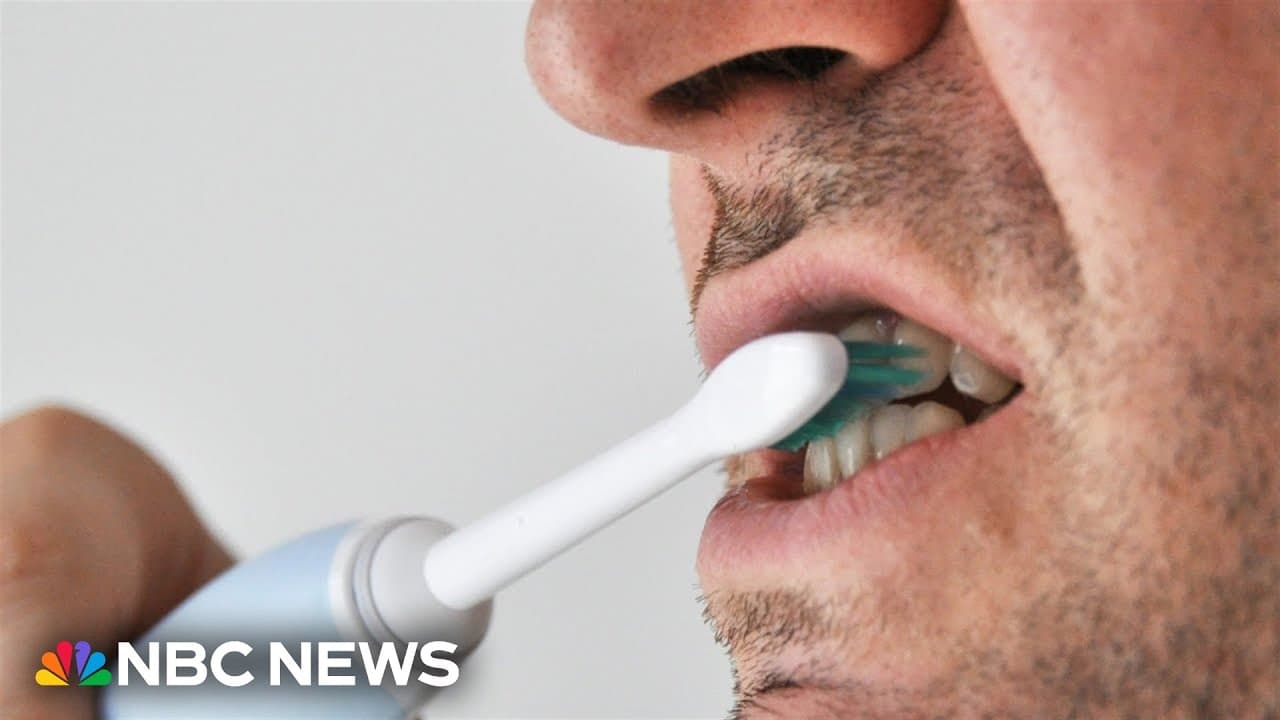
Experts say overall dental health is on the decline due to poor brushing

Hyperkalemia – Causes and Management Options
5 Surprising Foods That Can Increase Blood Sugar
Despite the widespread prevalence of diabetes and a lot of awareness about it, many myths and wrong information surround it. Patients tend to believe that only sugary foods can increase blood sugar and that avoiding sweets can help cure them. However, desserts are not the only source of sugar. Plenty of ordinary, seemingly healthy foods can also increase blood sugar. If you have diabetes, it is important to understand which foods to avoid. Five surprising foods that can increase blood sugar Aside from food, other factors that cause blood sugar’s sudden rise and fall are lifestyle, stress, certain underlying diseases, and prescription treatments. Lack of exercise, dehydration, and lack of sleep can also cause a spike in sugar levels. While most of us know that sugar and high-carb foods can cause fluctuation in blood sugar, here are five surprising foods that can increase blood sugar: Brown rice Brown rice captivated the hearts of fitness-conscious people as a superfood with many benefits. Many converted from white rice to brown rice. It is rich in fiber and antioxidants and helps in building immunity. However, it still has a high carb content that can be broken down into glucose, which enters the bloodstream after metabolism. Do not take more than 1/3rd cup of brown rice – anything more can spike your blood sugar. Oatmeal One cup of oatmeal contains about 27 grams of carbs. If you have been having packaged oatmeal or cooking plain oats on your own, both can cause an increase in your blood sugar. Instead of eating oatmeal alone, reduce the portion size and pair it with another dish like egg, yogurt, fruits, or nuts to reduce oats and control blood sugar. Use cinnamon or berries to add flavor. Do not add milk, dried fruit, artificial sweeteners, honey, or cream to your oatmeal, as it can spike blood sugar. Sweet potato Sweet potato is often considered an alternative to potatoes for people with diabetes. However, this should not be the case. All potatoes may have about 30 grams of carbs each. One or two boiled, roasted, or baked sweet potato can cause a significant spike in your sugar level. Yogurt Yogurt is a very popular snack and dessert as it contains probiotics and is very tasty. Unfortunately, store-bought flavored yogurt contains artificial sweeteners and preservatives. It is also heavily processed – all of which can increase blood sugar. If you love yogurt, you can learn to make Greek yogurt at home and add diabetic-friendly fruits as toppings instead of consuming processed yogurt. Whole wheat bread and pasta Whole wheat bread and pasta have been widely promoted as healthy alternatives to white bread and pasta made from refined flour. Though it may contain more vitamins and fiber than white bread, it may not benefit diabetes patients. These food items contain as many processed carbs as white bread! Five signs that indicate excess blood sugar Blood sugar can suddenly shoot up not just for people with diabetes but also for those recovering from heart disease or an infection. It is not a concern if you occasionally experience excess blood sugar, as it can return to normal on its own or with treatment. Excess sugar that does not come down for a long time is a cause for concern and leads to severe health complications. Knowing the early signs of excess blood sugar can help you identify it for yourself or your family member. Once you observe the changes in your body and identify possible signs of excess blood sugar, you can take corrective steps to reduce it. Visit your primary physician for a proper diagnosis and treatment. Five signs that indicate excess blood sugar are: Frequent urination An unusual and frequent urge to urinate is one of the first signs of high blood sugar. This happens as the kidneys work extra to send the sugar out of the body. If you urinate more than 20 times during the day, it is an indication of excess blood sugar. Increased appetite You may feel hungry even right after a meal. In people with type 2 diabetes, since the body is insulin resistant, the muscles can’t get energy from the food they eat and send a signal saying they want energy. This signal is what people with diabetes feel as hunger. The constant hunger is an indication of excess blood sugar. Extreme thirst Our body pulls the fluids from our tissues to dilute the excess sugar in the blood. The tissues become dehydrated, and as a result, you constantly feel thirsty even after drinking water. Increased urination also adds to the thirst. Extreme thirst is an early indication of diabetes and excess blood sugar. Delay in the healing of wounds and bruises Excess blood sugar causes blood vessels to stiffen, restricting blood flow to injuries and bruises. Because of this, it takes more than the standard time for wounds to heal. If you notice that cuts and bruises take longer than normal to heal, it could indicate excess blood sugar. Frequent and unexplained infections Bacteria thrive in blood with high sugar, putting diabetes patients at risk for frequent infections. Women are at higher risk for bladder and vaginal infections. It could be a sign of high sugar if you notice frequent infections. Prevention of chronic kidney disease in type 2 diabetes Both types of diabetes put patients at high risk for chronic kidney disease. It develops slowly and, in most cases, does not show any symptoms. Here are some ways by which you can prevent chronic kidney disease if you have type 1 or type 2 diabetes: Do not miss a doctor’s appointment; take the prescription on time without missing or altering the dosage. Regularly monitor your blood sugar levels and keep them within normal range. Test your sugar level periodically as advised by your doctor. Do an A1C test at least twice a year. Maintain blood pressure and cholesterol within limits. Avoid food rich in phosphorous, sodium, and potassium. Increase the number of fruits and vegetables. Exercise regularly.
9 supplements that help manage eczema
Around 15-20% of children and 1-3% of adults worldwide suffer from eczema. While this skin disease has no permanent cure, one can manage it and reduce its symptoms significantly to improve their quality of life. One helpful way to control eczema flare-ups is to use supplements like vitamins, probiotics, and minerals. Read on to learn more about this health disorder and the supplements that may aid in managing it better. What is eczema? Eczema, also known as atopic dermatitis, is an inflammatory skin disease that affects millions of people in the country. Its signs and symptoms include red, itchy, inflamed, and sometimes scaly patches on the skin. In most cases, one can manage the disorder with lifestyle changes, such as avoiding triggers like pollen. Stress may also need to be addressed, as it can aggravate eczema. Further, following a proper skincare regimen, including moisturizing regularly and using suitable laundry detergents, can help alleviate the symptoms. Supplements to help manage eczema Consulting a healthcare professional familiar with the condition is a great first step toward mitigating the discomfort caused by eczema. Depending on one’s symptoms, the doctor might recommend suitable lifestyle changes, treatments, and even supplements that could lessen the symptoms of this skin disease and help manage it: Vitamin D When the skin is exposed to the sun, it absorbs vitamin D, sometimes referred to as the sunshine vitamin. Several foods like milk, mushrooms, and orange juice naturally contain vitamin D. Alternate sources are vitamin D supplements. According to certain studies, vitamin D may help treat eczema or related skin diseases. A specific research study indicates that the vitamin may reduce inflammation-related indicators, which may help treat inflammatory disorders and skin diseases like eczema. Vitamin E Many skincare products contain vitamin E, an essential nutrient for the body. A powerful antioxidant, vitamin E can increase collagen levels in the skin, helping reduce the signs of eczema and preventing flares. Additionally, vitamin E assists in maintaining cell membrane health and protecting the skin from further damage caused by free radicals (unstable atoms that may lead to skin aging). For those who suffer from eczema or related skin diseases, these benefits associated with supplemental vitamin E make it an ideal treatment choice to combat inflammation and discomfort while bringing relief to dry, cracked skin. In a four-month trial, participants who received 400 IU (international unit) of vitamin E daily showed significant improvements in the severity of their eczema and its accompanying symptoms, such as itching. Fish oil Fish oil is becoming an increasingly popular home remedy for treating skin diseases like eczema. Studies have found that fish oil can effectively treat depressive symptoms, inflammation, and other associated issues when used alongside traditional treatments. Its health benefits include improving the levels of essential fatty acids that can effectively reduce skin dryness and irritation caused by eczema. Moreover, omega-3s in fish oil help keep the skin hydrated while improving its elasticity, providing much-needed relief from itching sensations. With fewer side effects than the standard treatment, fish oil could be a great starting point for anyone looking for an alternative solution to their skin problem. Zinc Zinc plays a crucial role in maintaining healthy skin. It helps regulate how the body produces skin cells and responds to infections that can cause an eczema flare-up. It also helps the body heal and regenerate new skin after eczema episodes. Further, research has pointed to zinc’s potential antioxidant and anti-inflammatory properties that may address dry, itchy skin. Therefore, zinc supplements are great for soothing an eczema rash and reducing skin disease intensity. Melatonin Melatonin is an essential component to alleviate eczema. While the body naturally produces melatonin, acquiring it through external sources can be beneficial in case of a deficiency. Numerous studies have shown that melatonin can reduce the inflammation associated with eczema and improve other symptoms like itching and redness. Scientists also believe that melatonin may increase nutrient absorption and protect the skin from damage due to sun exposure. In a particular study , using melatonin supplements daily for four weeks led to better sleep quality and less severe eczema. Interestingly, another research linked worsening dermatitis in children to less melatonin secreted and sleep disruptions. Probiotics Probiotics are helpful microorganisms with many positive health effects. They may help lessen eczema symptoms like itching or dryness. Research shows a positive connection between probiotics and less severe eczema in children and adults. A particular study pointed out that babies who received probiotics had a lower risk of developing eczema. Topical vitamin B12 Vitamin B12 is essential for healthy cell division and a healthy immune system. It also helps reduce inflammation and redness, two primary symptoms of eczema. Further, vitamin B12 improves cellular communication, which can contribute to improved mental health. Selenium Selenium is a natural element known to help with the symptoms of skin diseases like eczema. When coupled with vitamin E, it works as a powerful antioxidant. The antioxidant activity helps repair damaged tissue and heal wounds faster. While selenium may be used as a supplement, it also can be applied directly to the skin in the form of creams and ointments prescribed by a doctor. Turmeric Ayurveda and traditional Chinese healthcare frequently use turmeric, both topically and orally. It is a great treatment for skin diseases like eczema due to its anti-inflammatory, anti-pain, anti-bacterial, and wound-healing properties. The spice’s primary active ingredient, curcumin, a powerful micronutrient that also lends the spice its unique color, gives it its health properties. While skin diseases like eczema might be irritating, several nutrients and supplements help patients feel better. Remember that a healthy, balanced meal plan provides most nutrients listed above, and one must consult a doctor before using any supplements. It helps identify the best course of treatment.
Nasal polyps – Symptoms, causes, and management
Nasal polyps can be a symptom of an underlying condition or occur independently. The visible signs and symptoms of nasal polyps include congestion, runny nose, loss of smell, and pressure or pain around your eyes and cheeks. A deviated septum may contribute to nasal polyps. However, they can also occur in people who do not have this condition, such as athletes who blow their noses frequently during exercise routines. Read on to learn more about nasal polyps. What are nasal polyps? Nasal polyps are small, soft growths that develop in the lining of the nasal passages and sinuses. They are also sometimes called nasal tumors or nasal corking. They are not cancerous, contagious, or caused by allergies. Nasal polyps may also be associated with other conditions like chronic rhinosinusitis (CRS), allergic rhinitis (AR), chronic sinusitis (CS), and asthma. Nasal polyps typically develop before the age of 40, and they do not usually cause symptoms until they grow larger or become inflamed or infected. However, large nasal polyps can block airflow through your nose. If this happens, you may experience sinusitis, headaches, and a stuffy or runny nose. You may also experience difficulty breathing through one nostril at a time if large polyps block the other nostril completely. The result could be an imbalance in oxygen supply to both sides of the body and possible damage to blood vessels in the head (for example, inflammation). Symptoms of nasal polyps In most cases, nasal polyps are painless and cause no symptoms. However, some people with nasal polyps may experience the following symptoms: Congestion or stuffiness A runny nose Loss of smell Loss of taste Pressure or pain around your eyes, cheeks, and teeth Facial pain or headache Snoring Need to clear the throat frequently Frequent bleeding of the nose When to see a doctor? It is advisable to consult a healthcare expert if the symptoms persist for more than 10 days. Nasal polyps symptoms are primarily symptoms of other conditions like a common cold. One must seek immediate help if: One is having severe difficulty breathing The symptoms suddenly worsen Reduced ability to move eyes, or reduced vision There is severe swelling around the eyes Severe headache with high fever Causes of nasal polyps Scientists still don’t fully understand what causes nasal polyps, why some people have chronic inflammation, or why swelling and irritation (inflammation) in some people cause polyps to form but not in other people. Swelling occurs in the mucous membrane that lines the sinuses and nose, which produces fluid. Some research suggests that individuals who develop polyps have distinct immune system reactions and chemical markers in their mucous membranes than individuals who do not. Although nasal polyps can develop at any age, they most frequently occur in young and middle-aged adults. Nasal polyps can develop anywhere in the sinuses or nasal passages. However, they most frequently form in the region where the sinuses near the eyes, nose, and cheekbones drain into the nose through winding tubes. Who is at a higher risk? A person’s chance of having nasal polyps may be increased by any illness that causes chronic inflammation and swelling (inflammation) in the sinuses or nasal passages, such as infections or allergies. Nasal polyps are more common in people with CRS, asthma, allergic rhinitis, and specific allergies. Allergies and asthma are known to cause inflammation in the nose. This inflammation causes nasal polyps over time and infection with bacteria called Mycoplasma pneumoniae. M. pneumoniae can be passed from person to person through coughing or sneezing. However, it’s more likely that people will catch it from contaminated water or food than from others who carry the bacteria on their hands without knowing it. It’s common for people who have this condition—especially those who also have allergies or asthma—to experience frequent dryness in their noses as well as congestion during cold weather months (known as rhinitis). How are nasal polyps diagnosed? It is best to consult a healthcare expert if one shows symptoms of nasal polyps. To diagnose nasal polyps, a healthcare provider may: Specifically, inquire about a person’s allergies, infections, and asthma history. As a person describes their symptoms, be sure to include their duration. Use a nasal endoscope to view the interior of one’s nose (thin, flexible tube with a tiny camera and light). Order a CT scan to get a close-up look at a person’s sinuses. Treatment Nasal polyps are a challenging condition to clear up completely. A healthcare provider will develop a treatment plan to manage the symptoms and treat factors such as allergies that may lead to chronic swelling. The goal of nasal polyps treatment is to reduce their size or eliminate them. Sometimes, surgery may be required, but it is not a permanent solution as polyps may recur. The treatment usually starts with a healthcare provider prescribing products that will make large polyps shrink or disappear. A doctor may prescribe corticosteroids to decrease the size of the polyps. However, if the prescription treatment doesn’t work for a patient, the doctor may suggest surgery to eliminate the nasal polyps completely. Surgery is methodically done under general anesthesia and generally done by an ENT doctor (ear, nose, throat doctor). Surgery to remove nasal polyps usually requires anesthesia. Surgery can be performed under local anesthesia, general anesthesia, or sedation. Here, the doctor will cut into the wall of the patient’s nose and remove some of the tissue that contains the polyps. After surgery, one may need to take prescribed treatment for a few days to prevent infection. There are many different types of surgery, and it is essential to find a doctor experienced in removing nasal polyps. Prevention One must follow the following steps to manage nasal polyps or prevent them from recurring: Manage conditions like asthma and allergies as suggested by the doctor It is best to avoid nasal irritants Practice good hygiene by washing hands regularly to avoid any infection Use a humidifier to moisten the breathing passage Use salt water spray or nasal spray to rinse the nasal passage
9 ways to naturally whiten teeth at home
One can say that their smile is their biggest asset. But the color of teeth plays a huge role in deciding how confident one is when smiling. One’s teeth might turn yellow as they age, as the enamel wears away over time, revealing the pale teeth underneath. However, one can consider whitening their teeth to address the change in color. Teeth whitening does not always require expert assistance; one can use at-home whitening methods. What causes yellow teeth? Before looking for at-home teeth whitening remedies, one should understand the underlying conditions and causes of yellow teeth. Here are some common reasons for yellowing: Oral trauma or tooth injury Excessive sugar intake High coffee and tea intake Poor dental care and oral hygiene Excessive exposure to fluoride Side effects of treatment options Dry mouth or lack of saliva Teeth whitening solutions One can find whitening toothpaste and other products that improve the appearance and color of their teeth. However, one should be wary of harsh chemicals and abrasives. If one is looking for natural ways to whiten their teeth, they can choose a natural, mild, whitening toothpaste. Alternatively, several at-home whitening options can offer similar results with regular usage. Here are some natural ways to whiten teeth at home: Try oil pulling This is an age-old remedy for improving oral hygiene and removing toxins. One should swish oil around in their mouth to get rid of the bacteria that convert into plaque and makes teeth look yellow. Here, coconut oil can be used. This is a safe method because coconut oil doesn’t contain acid and other harmful chemicals that can erode the enamel of the teeth. Apply baking soda One of the most common and natural ways to whiten teeth is to use baking soda. This is a mild abrasive that can help scrub away stains on the teeth. It also creates an alkaline environment in the mouth which prevents the growth of bacteria. One will be able to notice brighter teeth over time. It has also been proved that brushing the teeth using a paste made with baking soda and water can help improve dental health and make one’s teeth appear whiter. Using an apple cider vinegar mouthwash One can rinse their mouth with a little apple cider vinegar to whiten their teeth. One can make a mouthwash by mixing two teaspoons of apple cider vinegar with water. After letting the solution rest for 30 seconds, one should rinse their mouth with it. It is important to rinse the mouth with plain water and then brush the teeth after using the solution. Try activated charcoal Activated charcoal can help remove stains from the teeth. Charcoal is believed to remove pigments and stubborn stains from the teeth as it is highly absorbent. Using activated charcoal can help one get rid of bacteria and toxins in the mouth. Here, a tiny amount of activated charcoal should be used to gently brush one’s teeth. Circular brushing motions should be used for at least 2 minutes before spitting the charcoal. However, one should avoid brushing aggressively, especially in the area around the gums. Brushing with lemon and baking soda paste Baking soda is indeed a versatile ingredient. Its alkaline nature allows for mildly scrubbing stains off the teeth and helps the mouth attain suitable pH levels. When mixed with lemon juice, baking soda becomes a great whitening solution. One can make a whitening toothpaste by mixing baking soda and lemon juice. Once the desired consistency is achieved, they can add the paste to the toothbrush and brush for a few minutes before rinsing their mouth. Add high-fiber foods to meals Other than following home remedies for teeth whitening, one should make better food choice if they want to maintain the color of their teeth and avoid yellowing. High-fiber vegetables can neutralize the acids in the mouth and protect the enamel. Also, green leafy vegetables stimulate the production of saliva in the mouth. This helps wash away or dilute the acids in the area. Lifestyle changes Making better choices includes staying away from foods that stain the teeth. Foods and beverages with tannins, such as tea and coffee, can stain the teeth. Dark sodas and juices should also be avoided. While some amount of discoloration is inevitable with aging and one may experience plaque build-up too. However, by maintaining oral hygiene by brushing and flossing the teeth, one can reduce the bacteria in the mouth which causes plaque. Using a good whitening toothpaste can eliminate surface stains from the teeth. Further, one can keep their teeth clean and white through regular dental cleanings. Rub fruit peels on teeth Rubbing lemon, orange, and banana peels on the teeth can also help brighten them. Instead of throwing away the peels, one can save them and rub them on the teeth. Use hydrogen peroxide This chemical is a natural bleaching agent that helps kill bacteria in the mouth, so hydrogen peroxide is also used to disinfect wounds. Many commercial whitening products contain hydrogen peroxide. It has also been proven that whitening toothpaste with hydrogen peroxide is more effective than those without it. The chemical is considered a mild bleach that helps whiten stained teeth. The color of the teeth is a common concern for many people. Those on the lookout for whitening toothpaste may have to be careful about not opting for extremely abrasive products that can cause permanent damage. However, many at-home remedies can help whiten the teeth and improve oral health. One should be careful with any whitening remedy as overusing it can damage the enamel and the gums. So, the best way to keep one’s teeth white is to practice good oral hygiene and prevent stains in the first place. One should also go for regular dental check-ups to improve overall oral health and the appearance of their teeth. If nothing works, one can seek their dentist’s advice regarding whitening procedures and even pick a suitable whitening product that will not harm the enamel.
Dental Care Videos






8487 People Viewed
Watch Out for These 5 Severe Signs of Migraine
Migraine is a condition that can develop in anyone, however, women are three times more likely to get it. Some may have one or two episodes a year, while others could experience more than 10 episodes a month. The symptoms and severity of an episode may vary from one person to another. Migraine usually develops as a headache, beginning on one side and spreading to the entire head or shifting from one side to another. Severe signs to recognize Moderate to severe headache, nausea, diarrhea, loss of appetite and abdominal pain, and feeling too warm or cold are also common symptoms of a migraine. These symptoms are not alarming and get better with proper treatment and rest. However, there are some signs of headaches and migraines that one should not ignore. Migraine with aura As migraine is a neurological disease, one may experience symptoms like aura, where they see halos, flashing lights, zig-zags, and blank spots. Some may even experience a temporary loss of vision. Aura symptoms typically begin within one hour of the onset of the migraine. These symptoms usually last between thirty minutes to one hour. Some may experience confusion, weakness, or paralysis. Though aura symptoms alone are not dangerous, they could indicate other conditions like stroke. One should consult a doctor or a neurologist for a thorough examination and diagnosis if they observe this symptom. Headache that does not respond to treatment If one has a persistent headache lasting more than two or three days, and if it does not respond to any treatment, it is important to consult a doctor. A migraine typically lasts between four hours to three days. But, if one does not see any improvement in the symptoms, their headache switches from one side to another, or they experience a ringing sensation in the ears, they should seek immediate help. Sudden and intense pain A migraine may have some warning signs one or two days before onset. Frequent yawning, stiffness in the neck, constipation, mood shifts, fluid retentions, and sudden food cravings are indications of an episode. However, a migraine may occur without warning and is called hemiplegic migraine. The sudden onset of a migraine can be a sign of a stroke or an aneurysm, requiring medical attention. Convulsions Though very rare, migraine with aura may trigger a seizure and usually develops within an hour of the onset of a migraine. If the convulsions last more than two minutes, or if the person loses consciousness, they need immediate help. Weakness on one side While a person may feel fatigued one or two days before the onset of a migraine, some may experience weakness in one side of the body or find it difficult to move during and after a migraine episode. The weakness can also be part of aura symptoms and usually lasts 20 minutes to one hour. The weakness disappears on its own. If one notices the weakness lasting longer, it can indicate hemiplegic migraine. This symptom, if left untreated, can lead to disability, stroke, or paralysis. Triggers and common symptoms Some common migraine triggers are exposure to flickering or bright lights for a long time, exposure to chemicals, hunger, or overexertion. Hormonal changes can also trigger migraine episodes in women. Some of the common symptoms of migraine include throbbing or pulsating pain in one side or the whole head, nausea, vomiting, constipation, sensitivity to light and sound, blurry vision, changes in vision, irritability, loss of appetite, and scalp tenderness. In rare cases, one may experience migraine symptoms like fever, diarrhea, weakness, numbness, and inability to move. Migraine is characterized by moderate or severe pain and a throbbing or pulsating sensation in one side of the head. Nausea and sensitivity to sound and light are also symptoms of migraine. An episode of migraine can last from four hours to three days. Research has revealed that abnormal brain activity triggers nerve signals and the chemicals in the brain, causing debilitating pain. One may feel depressed, angry, fatigued, anxious, or scared during and after an attack. If one is prone to frequent headaches, they should strictly follow the doctor’s prescription and resort to home or natural remedies until the worst is over. Migraines, unlike regular headaches, are generally unpredictable and may aggravate over time or develop suddenly without any warning. Seeking treatment Considering the type of symptoms that a person experiences during an episode, they may find it difficult to visit a doctor in person. Most doctors and hospitals provide telehealth or online consulting services, making it comfortable for patients to talk to doctors from the comfort of their own. Neurologists usually request migraine patients maintain a journal to record all relevant observations before, during, and after an episode. One can follow this tip and seek a migraine prescription online by sharing the following details with the doctor: Describe the pain, its intensity, and the location Tell them about the last episode and the gap between the two List possible triggers that may have caused the migraine episode. Ascertain if one requires further tests. Ask for the different treatment options and discuss with the doctor what would be suitable Check if there is something one can do to prevent another episode Ask the doctor if alternative treatments can help Get an online prescription for a migraine Get follow-up details After the discussion, the neurologist can offer a diagnosis and tips for dealing with the pain. They will also ask the patient more about their symptoms to rule out other conditions causing the headache. They will then offer a comprehensive treatment plan and an online migraine prescription. Doctors may prescribe treatments both to find relief during the migraine episode and also to prevent future episodes. One can also request the doctor to send an online migraine prescription to a pharmacy nearby so that they can deliver it home. Getting relief for migraines online is possible today, increasing the convenience of quickly treating intense pain. This also saves one the trouble of stepping out and being exposed to harsh light and sound.

4966 People Viewed
Important things to know about kidney problems
Kidney diseases are some of the most common and life-threatening conditions that affect patients worldwide. These diseases lead to kidney function failure over time. It can be caused by various factors, including environmental toxins, genetic predispositions, and unhealthy lifestyle choices. Kidney disease can lead to severe health complications such as acute renal failure (ARF), chronic kidney disease (CKD), or chronic renal failure (CRF). A healthy kidney is a sign of a healthy body and lifestyle. The function of the kidney The kidney is an essential organ that performs many functions in the body. It filters the blood, removes waste products and excess water from the body, and helps maintain a person’s balance of electrolytes like sodium and potassium. Kidneys help maintain their normal levels of salt concentration which is essential for the proper functioning of every cell tissue in the body because, without adequate amounts of salt, no cells can function properly. The kidney also plays a vital role in regulating blood pressure and volume by keeping them at appropriate levels through urine production. The kidneys also regulate fluid balance in your body by removing excess water from urine and adding extra water into the urine when necessary for your body tissues not to be dehydrated. Kidney failure is when a person’s kidneys cannot function properly due to disease or injury; this condition can be fatal if left untreated. What is kidney disease? Kidney disease is a general term that describes any condition that affects the kidneys. The most common types of kidney diseases are acute and chronic. An infection, trauma, or surgery causes kidney diseases. They usually develop rapidly and cause symptoms such as fever, nausea, vomiting, and abdominal pain before progressing to a cushingoid appearance with high blood pressure and swelling in the feet or legs due to fluid retention—a condition called edema—and ultimately death if untreated. What are acute kidney diseases? Acute kidney diseases are a group of conditions that cause critical damage to the kidneys. They include: Stones in the urinary tract can cause pain and bleeding Injury to the organ that causes it to stop working correctly. This can lead to infections or more severe complications such as infection with bloodstream-borne bacteria (sepsis), blood poisoning, and organ failure. What are chronic kidney diseases? Chronic kidney disease (CKD) is a condition that can lead to kidney failure. It is often called CKD because it refers to the damage of the kidneys over time rather than an acute injury that causes immediate symptoms. Chronic kidney diseases also occur when: There are long-lasting viral illnesses such as HIV, AIDS, Hepatitis B, and Hepatitis C Prolonged lead poisoning and long-term use of nonsteroidal anti-inflammatory drugs (NSAIDs) Immune system diseases like lupus nephritis Polycystic kidney diseases occur What are the symptoms of kidney disease? Kidney problems can cause many different symptoms, but the most common ones include the following: Pain in the back, sides, or abdomen Fever Tiredness and fatigue Loss of appetite, leading to rapid drop in BMI levels Increased urination (frequent urination) or decreased urination (fewer than usual) Clouded mind A metallic taste in the mouth Swelling of feet and ankles due to edema Muscle twitches and cramps Nausea and vomiting How to diagnose kidney diseases? When you suspect that your kidney disease is severe and needs a health examination, the doctor will do these tests: Blood tests to check for protein in the blood (albumin) levels and kidney function. Urine tests to look for protein in urine or albumin in feces. This can help diagnose whether there is an infection affecting your kidneys or not enough oxygen being delivered to them by disease-causing bacteria. Doctors also conduct imaging tests such as ultrasound for a clear visual view of the kidneys. In extreme situations, a kidney biopsy is performed. A sample of the kidney tissue is removed to be sent to a lab for a thorough checkup. What are the treatment methods for kidney diseases? There are different treatment options that are recommended to the patient depending on the severity of the condition and the overall health of the one affected. Kidney transplant This is the most effective treatment method for kidney diseases. A kidney transplant is when a healthy person’s organs are donated to someone else who needs them. Dialysis This is used in cases where the kidneys fail to function correctly. The blood in your body flows through tubes connecting one set of kidneys to another (or even two different sets). This process helps remove waste from your body. Prescription option Many prescriptions are available today, specifically designed for chronic kidney disease patients. Symptoms like high blood pressure may lead to heart disease in the future, depending on how severe they become over time without treatment options. What is a kidney transplant? A kidney transplant is a procedure that replaces one or both damaged kidneys with functioning, healthy ones. It is the only treatment for end-stage renal disease (ESRD), which means that your kidneys have lost most of their function and cannot filter out waste products from the blood. Once the functioning kidneys are transplanted into your body, they work as normal ones do—they filter wastes from your bloodstream and release them into urine through tiny tubes called ureters. You may also notice changes in how often you urinate. Caring for the kidneys Kidney disease is a severe condition. It can affect the way your kidneys work and lead to complications, including: High blood pressure (hypertension) Heart failure and heart disease Diabetic retinopathy, which is damage caused by diabetes mellitus (DM) in the eyes Kidney problems are common in people with HIV/AIDS, but this does not mean you should avoid getting tested for kidney diseases altogether! However, you should still make sure that you are checking your levels regularly when you have regular checkups with your doctor or healthcare provider. Kidney diseases are a severe health concern for many people. If you suspect your loved one has kidney disease, consult your healthcare provider immediately.

2394 People Viewed
Atopic dermatitis – Causes, symptoms, and more
Atopic dermatitis (eczema) is a disorder that results in dry, irritable, and inflammatory skin. Though it can affect anyone, young children are more vulnerable to this disorder. The symptoms include recurring (chronic) and sporadic flare-ups, though it is not contagious. Atopic dermatitis patients risk contracting asthma and seasonal and food allergies. Regular moisturizing and skin disease condition-related treatments help alleviate itching and prevent further outbreaks. Using medicated lotions or ointments during treatment is also helpful. Symptoms Depending on an individual’s age, the severity of the condition, and other circumstances, symptoms of atopic dermatitis may vary. Those who have the condition typically experience phases of worsening symptoms, followed by times of improvement or even complete disappearance. The following sections will cover some likely variances in symptoms in more detail. General eczema symptoms Eczema symptoms are usually not severe. The most common signs and symptoms of atopic dermatitis include dry, itchy skin, skin flushing, or weeping sores. Individuals with severe eczema skin disease may need more intensive care to eliminate their problems. Infections of the skin can also result from persistent touching and scratching. The appearance of the skin area afflicted by atopic dermatitis will vary depending on the frequency of itching and infection. Itching, redness, and irritation can all worsen by rubbing and scratching the skin. What causes eczema skin disease? The underlying etiology of eczema still has to be thoroughly comprehended. The cause, according to scientists, is an overactive immune system. When allergens from the outside come in contact with the skin, the immune system reacts, causing eczema to flare up. A collection of typical flare-up triggers is provided below. Additionally, researchers have shown that the bodies of some people with eczema do not produce enough of the protein filaggrin. This protein is essential for keeping skin healthy and nourished. Certain environmental variables may also aggravate the signs of eczema. These are: Irritants : These comprise fresh fruit juices or meat, soaps, cleansers, conditioners, and disinfectants. Allergens : Pet dander, pollen, mold, dust mites—all of these can cause eczema. This condition is called allergic eczema. Virus : Microbes include pathogens, some fungi, and bacteria such as Staphylococcus aureus. Temperature : Extreme heat, cold, humidity, and sweat from physical activity can aggravate eczema. Foods : Wheat, soy, almonds, seeds, milk products, and eggs can aggravate eczema. Stress : Although stress is not the leading cause of eczema, it can exacerbate the symptoms. Hormones : A woman may experience worsening eczema symptoms when her hormonal changes fluctuate, such as during pregnancy or at particular points throughout her menstrual cycle. How can one avoid getting eczema? Keep the skin hydrated To prevent eczema, the skin has to be hydrated even if a person is not experiencing irritation. But first, let’s look at the distinction between dryness and skin that is dehydrated (lacking in water). The substances we use to tackle dry skin issues differ from those we use to address dehydrated skin. Remember that to distinguish between the two situations, dry skin lacks facial oil, whereas dehydrated skin exhibits desquamation or a tight, uncomfortable feeling. Consider adopting the following habits to avoid eczema skin disease and maintain the moisture of the skin: Drink a lot of water Apply a gentle cleanser After a shower or bath, hydrate the skin with a moisturizing product Determine and prevent potential triggers Pollen, pet dander, mildew, and poor eating habits can cause or worsen an eczema flare-up. Recognizing the eczema triggers will help a person avoid them as much as possible. The pharmacist can also be of great help. Take brief, warm showers Taking a warm bath at the end of a chilly winter day can be incredibly rejuvenating, but it is not a good idea if one is making efforts to avoid or treat eczema. It is clear why this is the case. The lipid layer, or the upper surface of the epidermis that keeps the skin moisturized, can get destroyed by bathing in too-warm water. Experts advise using the following procedures in addition to lowering water temperature: Restrict baths to 10 minutes each Remove any irritants, sediments, or allergens from the skin Choose hypoallergenic, odorless soap Use a humidifier Winter brings dry weather, and the dry season frequently causes eczema flare-ups. Low humidity dehydrates the skin, which can result in eczema. If the apartment that one lives in is too dry, consider installing a humidifier in the room and any other space where one’s family devotes a lot of time. Above all, refrain from scratching We are all aware of this. Eczema or atopic dermatitis builds up a burning desire to scratch. But pay heed—the impulse to itch must be resisted, even if it temporarily improves one’s mood. Scratching is counterproductive and exacerbates any problems one may already have, worsening the situation. In actuality, it will only serve to aggravate the itching. Itching and rashes are all caused by scratching eczema. A person scratches because one is irritated and momentarily feels better, but the rashes worsen. Scratching does the exact opposite of what it is expected to do. Choose apparel made only of cotton If a person frequently experiences eczema flare-ups, cotton is a comfortable material that allows the skin to relax and helps prevent itching. In general, and especially when jogging or participating in sports, always select light, flexible materials that do not rub against or scrape the skin. Remain calm Excessive heating reduces humidity, dehydrating the epidermis and triggering eczema flare-ups. Sweating from overheating can aggravate skin disease even more. As a result, one should refrain from setting the home’s thermostat too high throughout the winter. Instead, choose light bedding, especially cotton, and keep the bedroom chilly at night. Conclusion Atopic dermatitis or eczema is a long lasting condition that can be uncomfortable and range in intensity. Based on a person’s age, it may manifest itself in various ways. The signs could be more challenging for those with darker skin tones. Though there is no cure, eczema flare-ups can be treated and avoided with over-the-counter products, moisturizers, and lifestyle modifications.

4313 People Viewed
Avoid these 17 common home renovation mistakes
Revamping your home entails joy as well as responsibility. Home renovations are a major expense, with kitchen remodels costing an average of $22,000, and smaller projects, such as bathrooms, costing around $10,000. These projects also require a fair amount of your time and attention, as you manage the workforce, look into budgeting, and work around technicalities. Steering clear of these common home renovation mistakes can help you save money and time. Setting an unrealistic budget Even the most strategically planned renovation projects can end up costing you more than your original budget. To avoid any unforeseen circumstances, account for 20% extra when creating a budget. This will help you incorporate any additional expenses you may encounter. Forgetting to consider daily activities When you’re looking to renovate the home you are living in, it is important to consider how your daily life will be affected during the renovation. Be sure to have a plan to work around managing your day-to-day activities before you start. Not complementing the existing style Your renovation plans are meant to modify your living space, so you do not need to plan everything based on the existing structure. However, complementing the current style can help make your home look put together and also improve its resale value in the future. Being too trendy Trends come and go, so don’t be too eager to redesign your home based on one. Your home renovation style could impact your home’s market value in the long run. So, look for sleek, classic designs, or consult an architect for the best results. Buying furniture and home décor pieces in advance Don’t be in a rush to buy appliances, furniture, and other products for your renovated home. Wait until the plans are finalized and you have a clear idea of measurements such as carpet area, counter space, and more. If you’re planning this well in advance, consider scheduling your carpeting or flooring in November and December, since you can snag several product sales and negotiate better prices with contractors. Trying to rush the job If you’re inspired by the timelines on television renovation shows, you may want to alter your expectations. Do not try to rush your renovation plan within a week or less, as this will not give you adequate time to prepare and work according to plan, or address any unforeseen mishaps. It may also compromise the quality of work. Major renovation projects may take anywhere between 3 to 6 months to complete. Not checking references When hiring companies or contractors to carry out your home renovation project, be sure to do a background check. Speaking to their former clients can also help you gauge what to expect from them. Opting for the lowest bid There are several ways of finding a contractor for your project. One common way people hire contractors is by setting up a bidding system. While choosing the cheapest bid may feel enticing, it is important to consider the quality of their craftsmanship before making your final decision. Miscommunicating It is important to keep all lines of communication open with all the parties involved in the project. Establish the best way to communicate with your contractor, whether it is via text, call, or in person. This will help ensure a hassle-free experience. Thinking you know it best Everyone has an inspiration they wish to work towards. While that is perfectly fine, it is also important to be cognizant of the realistic limitations certain designs may pose. To work around these, hire an interior designer or an architect to help you ensure a good-quality design that is made from elements that work well together. Neglecting the plan Before starting your renovation project, you should have a comprehensive written plan that includes every single detail, including the products to be used and your choice of finish. Do not work with any contractor who does not share a plan with you. While you may still encounter unexpected problems that require some adjustments, a large part of your project should proceed based on your originally documented plans. Focusing solely on appearances Esthetics are often the primary focus during a renovation project. But it is also important to address structural and safety issues when revamping your home. This includes ensuring a strong foundation and sub-flooring and upgrading the electrical system. Taking these into account during large renovation projects can reduce the risk of having to damage parts of your home to fix any problems later. Ignoring lighting Lighting is instrumental in determining the overall feel of your home. Speak to a lighting specialist to create a lighting plan. This plan will guide the kind of lights you invest in (such as general, accent lighting, or smart lighting), and where they will be placed for optimally brightening your home. Buying cheap materials Don’t try to economize on building materials because it will only make you spend more money on upkeep. Instead, invest in durable and high-quality materials for your home as these will last long. Making the doorways and halls too small When finalizing your plans, it is also important to check whether the doorways and halls are wide enough to allow the seamless movement of your furniture and appliances. Ignoring window quality Another aspect of your home to invest in are the windows. Good-quality windows with the right thermal protection can make your home perfect for any weather and keep your utility bills low in the future. Forgetting about landscaping The first thing people see when they visit your home is the yard. Whether you are expecting guests or potential buyers, a neat, tidy, and landscaped yard can go a long way in making a positive impression. So, make sure to accord a small portion of your budget to clearing up and beautifying your yard as well. Keep these mistakes in mind before embarking on your next project for a fun, relaxed, and hassle-free home renovation experience.

5314 People Viewed
Eczema – Causes, Symptoms, Management, and More
Eczema is a condition that affects the skin and causes redness, itching, and dryness. It can be very uncomfortable and can affect any body part. It can also cause psychological distress and can be challenging to manage. Thankfully, several guidelines can be followed to help keep skin healthy and avoid the symptoms of eczema. This article will discuss the causes of eczema, the signs and treatments, and a few guidelines for avoiding eczema symptoms and treatment. Introduction to eczema Eczema is a skin issue often characterized by redness, itching, flaking, and dryness. The situation is often accompanied by swelling, crusting, and even blistering of the skin. It can affect any body part, including the face, hands, arms, and legs. Eczema is not a contagious condition, but it can be uncomfortable and affect the quality of life. People with a family history of eczema are more likely to develop the condition. Other d that may increase the risk of eczema include stress, allergies, and certain skin irritants. What are the main causes of eczema? The exact cause of eczema is a combination of genetic and environmental factors. People with a family history of eczema are more likely to develop the condition. Other well-known factors that may increase the risk of eczema include stress, allergies, and certain skin irritants. It is also believed that certain factors may trigger the onset of eczema. These triggers include certain foods, environmental allergens, and even certain fabrics. Identifying and avoiding the triggers is essential, as they can worsen the condition. Symptoms and treatment options The symptoms of eczema may vary from person to person, but the most common symptoms include redness, itching, flaking, and skin dryness. In severe cases, the skin may become inflamed, swollen, and even blistered. The skin may also become thickened, cracked, and scaly. The treatment of eczema varies depending on the severity of the condition. Mild cases may be treated with over-the-counter creams and ointments. More severe cases may require topical prescription medications or oral steroids. In some cases, phototherapy may be recommended. Guidelines for healthy skin and avoiding eczema Symptoms and treatment plans for eczema Eczema can be a complex condition to manage, but several guidelines can be followed to help keep skin healthy and avoid the symptoms of eczema. Here are seven guidelines for healthy skin and avoiding eczema symptoms and treatment. Use a gentle cleanser It is vital to use a gentle cleanser when washing the skin. Many cleaners are too harsh and can strip the skin of natural oils, leading to dryness and irritation. Identify cleansers that are specifically formulated for sensitive skin and use them. Moisturize Get a moisturizer that is specifically formulated for sensitive skin. Moisturizing the skin is essential for keeping it healthy and preventing eczema symptoms. Choosing a moisturizer free of fragrances, dyes, and other irritants is also necessary. People who use make-up might face challenges such as eczema flare-ups when removing their make-up; in such cases, tinted moisturizers are a great option worth trying. Tinted moisturizers can cover up the rashes while healing them in the long run. Wear loose-fitted clothes Clothing that is too tight can cause skin friction and lead to irritation. It is important to wear loose-fitting clothing made of breathable fabrics such as cotton and linen. Avoid wearing synthetic materials such as polyester and nylon. Avoid certain products Certain products can irritate and worsen eczema symptoms. These include fragranced products, dyes, and products that contain alcohol. Avoiding these products and looking for products specifically formulated for sensitive skin is essential. Avoid hot water and long showers Hot water and long showers can dry the skin and worsen eczema symptoms. Limiting hot water use and showers to at most 10 minutes is essential. After showering, it is vital to apply a moisturizer to help lock in moisture. Avoid irritants and allergens Certain irritants and allergens can trigger an eczema flare-up. Common triggers include certain foods, pet dander, dust mites, and specific fabrics. Therefore, it is crucial to know triggers and avoid them. Wear sunscreen The sun’s UV rays can irritate and worsen eczema symptoms. It is essential to wear sunscreen containing an SPF of 30 or higher and repeat application over the skin every two hours outdoors. Choosing a sunscreen free of fragrances and irritating chemicals is also essential. A tinted sunscreen may be beneficial as it protects the skin from UV rays and blue light, unlike un-tinted sunscreen. Blue light emitted from computer and mobile phone screens can also cause eczema and dry the skin on your face. Identifying and choosing tinted sunscreens that contain the correct minerals is crucial. The tinted sunscreens help reduce premature aging and wrinkling and keep your face glowing. Teen eczema treatment options Teenagers who suffer from eczema may find it challenging to manage their condition. Thankfully, several treatment options are available for teens who suffer from eczema. These include topical medications, phototherapy, and even lifestyle changes. Teens need to talk to their doctor about the best treatment options. The doctor can help them develop an individualized treatment plan that can help manage their condition and keep their skin healthy. IUD acne treatment options Women who use Intrauterine devices for birth control may face issues such as IUD acne flare-ups. However, getting a doctor’s opinion is crucial to see if the IUD is responsible for the acne flare-up. There are a few ways to treat the symptoms yourself: a) Cleansing your face regularly, about thrice a day, with non-chemical cleansers is a must. b) Eating a healthy organic meal consisting of vegetables and fruits while avoiding high-sugar foods is necessary c) Preventing and reducing stress is required at all costs. Therefore, it is vital to try meditating and other relaxing methods. Alternatives to traditional eczema treatment plans In addition to traditional medical treatments, several alternative therapies can help manage the symptoms of eczema. These include dietary changes, herbal remedies, and lifestyle changes. For instance, dietary changes can help to reduce inflammation and limit flare-ups. Herbal remedies can help to relieve itching and dryness. And lifestyle changes can help to reduce stress and manage the condition. Moreover, talking to a healthcare professional before trying alternative treatments is essential to ensure the treatments are safe and effective.

5975 People Viewed
8 common mistakes to avoid while showering
Showering may seem like a simple act, but there are some common showering mistakes that one could make that may harm skin health. This easy 10-minute ritual is important for maintaining daily hygiene and ensuring that one does it correctly. This practice is crucial for good skin and hair health. Here are some things one needs to be careful of and other tips that may help avoid the repercussions of these common mistakes. Using excessive soap Yes, it is a cleaning agent, but it can also quickly dry out the skin when used in excess. Many soaps are available in the market, but try looking for a soap with a moisturizing ingredient or something called stearic acid. This is an ingredient that is used to harden the soap, and it helps in creating a thick lather that feels velvety to the skin. Thanks to its occlusive properties, using this ingredient in soap will keep the skin hydrated and prevent moisture loss from the surface. Frequent showers Taking too many unnecessary showers in a day may cause the skin’s natural oils to dry, leaving it dry and flaky. It is important to stay clean and hygienic to avoid any infections. However, bathing more than three times a day is a waste of natural skin oils and can lead to infection too. If your skin gets too dry and cracked, bad bacteria can easily enter the surface and cause skin-related issues. You do not have to constantly stay in a sterile environment as it will only lower your immunity unless you are sick and are advised to stay in a specifically clinically sterile environment. Not washing the towels for many days Yes, towels are used to clean your clean body after a shower, but what often goes unnoticed is that the towels are not left to dry properly enough. They need sunlight and a dry environment to avoid the infestation of bacteria that could develop in the damp environment. A dirty, damp towel can cause skin issues like warts, athlete’s foot, jock itch, and even toenail fungus. It is advised to change your towel once a week at least and dry it properly after every use. If you stay in a humid region, wash the towels more often and keep dry spare towels. Not cleaning the loofah regularly These all seem like self-cleaning products as they get scrubbed with soap every time you shower, so it may seem like they do not need a wash or cleaning. But this is a common myth that needs to be addressed. A loofah should be cleaned every week in a bleach solution to avoid any development of bacteria in the damp loofah. You can use a diluted bleach solution and let the loofah soak in it for five minutes before rinsing it with water. Drying it out under the sun is advised so that the bacteria does not dwell on its moist body. Also, you should ideally replace a loofah every month, whether it is a cloth material or other natural material. A plastic loofah can be replaced every two months to avoid possible infections. Excessive hot water showers They are the most comforting, for sure, especially during winter. But what is most often missed during this hot shower ritual is that this water temperature does more harm than good for the skin. It can remove the natural oil from the skin’s surface and leave it dry and itchy. This is especially true for anyone already dealing with skin conditions like psoriasis or eczema. Therefore, to prevent any other skin-related problems, the temperature of the water needs to be controlled. It is recommended to take a shower with lukewarm water for not more than 10 minutes. This can prevent unnecessary damage to the skin. Washing hair too often If you are washing your hair daily, this is especially for you. Consider skipping this step from your daily shower routine. Unless you have an extremely oily scalp and are advised by the dermatologist to wash daily, you are only stripping the scalp of its natural oils, which can lead to multiple hair issues. If you are going to the gym, it is advised that you keep a proper hair wash routine so that you don’t feel inclined to wash your hair daily. Wash them only on the days that you are doing an intensive workout, which will make you sweat a lot. Also, be mindful of the products you are using. Ensure that the ingredients are safe to use and do not do more harm than good when cleaning the scalp. Not having a grab bar installed This may not seem like an important addition when you are young, but it should be added to all the bathrooms. Shower safety is important, so make sure that you install a grab bar in the shower and also anti-slip mats to avoid any falls. This is especially important for anyone who is staying alone and does not have access to help easily. If you have seniors living with you, this is an essential addition to the bathroom. Not moisturizing the skin right after a shower An important self-care step post-showering is applying moisturizer on your skin to help hydrate it. A lot of people wait till they are completely dry to put on the moisturizer, and this is a mistake you can avoid. Get your moisturizer in the bathroom and put it on damp skin. This helps the product get absorbed better and leaves a hydrating effect for long hours. This is especially advised for those dealing with skin issues like eczema and psoriasis and who need help with keeping skin itch-free. Make sure you consult the dermatologist for effective skin products for the best results.

4411 People Viewed
9 household products that may harm the lungs
Stocking household essentials is a routine part of most homeowners’ weekly plans. While these items are indispensable to an optimally functioning household, not understanding their potentially harmful effects can cause several health hazards, including pulmonary issues. While buying household products, it is important to understand each product’s constituents and safe consumption practices to prevent them from causing health problems. This article lists household products that may be potentially harmful to one’s lungs if not used right: Household products potentially harmful to the lungs Hand sanitizer Hand sanitizers are highly effective in ensuring clean hands and destroying bacteria and germs, which may cause infections if ingested. However, sanitizers comprise several chemicals, including benzalkonium and methanol, and inhaling these chemicals can cause a host of health hazards, such as lightheadedness, nausea, vomiting, loss of smell, chemical burns in the nasal cavity, and worsening of existing respiratory issues. Bleach spray Bleach spray serves a wide range of household functions, from eliminating mold and mildew from surfaces and fabrics to disinfecting surfaces and removing stains. However, bleach is a harmful chemical that can cause several health problems if not used properly. It is particularly known for increasing susceptibility to chronic obstructive pulmonary disease (COPD) caused by blockage of airflow to the lungs. Studies have shown that bleach spray can increase one’s risk of COPD by 32%. Misuse of the product can also lead to lung and breathing conditions like asthma and damage one’s respiratory tract. Toilet paper This indispensable household product contains several toxic chemicals, such as furans and dioxin, which can trigger or worsen pulmonary conditions. For example, dioxin is proven to cause pulmonary deficiencies, including lung and breathing problems, and other health issues like skin lesions and headaches. Today, many individuals are swapping toilet paper with adult wet wipes, 100% bamboo paper, bidets, and other safer alternatives. Air fresheners Although highly effective in eliminating unpleasant odors and releasing fragrances in one’s room, air fresheners can cause severe toxicity and harm the body in several ways. Studies have shown that the brief inhalation of air freshener sprays can cause lethal breathing problems like coughing, difficulty breathing and choking. Its constituents, like ethanol and glycol ethers, can irritate the nasal passage when inhaled. Moreover, propellants like hydrocarbons can cause abnormal palpitation rates. Detergents and dishwashing liquids Although dishwashing liquids and soap products are necessary household supplies, they can cause throat swelling and breathing difficulties if the fumes they release are inhaled. On the bright side, several hypoallergenic detergent solutions are available to ensure consumer safety. It is best to read the list of chemicals added to dishwasher liquids and detergents before buying them. Disinfecting wipes Most disinfecting wipes contain bleach and other agents to destroy bacteria and germs. Moreover, they include fragrances to eliminate the smell of chemicals. Research has shown that exposure to these chemicals over time can cause lung diseases and is particularly unsafe for persons with asthma, allergies, and other breathing and lung conditions. Paper towels Paper towels contain chlorine and formaldehyde, giving rise to toxins like furans and dioxins, which can cause several breathing and lung disorders. It is best to replace paper towels with reusable cloth towels to ensure safety while not compromising hygiene. Hand soaps Hand soaps contain a chemical known as sodium laureth sulfate, which is commonly used as an emulsifier in these products. While sodium laureth sulfate facilitates sudsing and foaming in hand soaps, it can cause several health hazards, including irritation of the lungs, eyes, and skin. Moreover, many popular hand soaps contain fragrances, which can trigger or aggravate breathing problems. It is best to avoid hand soaps with fragrances, opting for chemical-free alternatives made of natural ingredients. Plastic trash bags Plastic trash bags, which are essential to ensure a clean and tidy environment, typically release harmful chemicals, such as phthalates and dioxins, triggering and contributing to several respiratory conditions. Further, these products contain lead and cadmium in high concentrations. Lead exposure is linked to lung disorders like COPD. With increasing awareness of the harmful effects of such toxins, safe and non-toxic trash bags have been introduced in the market. Tips for buying safe products Choose products free of harmful chemicals Some common harmful chemicals in household products include lead, cadmium, dioxin, and furans, which can cause serious respiratory conditions. Hence, it is important to check out the constituents of household products and opt for the ones that contain minimal or no chemicals. Avoid products with fragrances Products containing fragrances may smell inviting, but they can lead to respiratory problems and harm the lungs. It helps to purchase pure products without fragrances while buying soaps, detergents, and dishwashing solutions. Look for products free of VOCs Volatile organic compounds, or VOCs, are included in several household products, including paints, paint strippers, hobby supplies, stored fuels, and aerosol sprays. It has been found that VOCs tend to irritate the throat and can cause difficulty breathing. It is important to avoid products containing VOCs, opting for organic options without such compounds. Look for healthier alternatives Sometimes, certain regularly used household products may be safer than others. For example, microfiber cloths and fabric hand towels are safer for the environment than paper towels. Bidets are safer for one’s health and the environment compared to toilet paper. Thus, it is good to look for alternatives to reduce the harmful effects of household products. Check out products by sustainable brands Sustainable products typically contain ingredients that are healthier and safer compared to regular products. It helps to research sustainable products and brands and the constituents of such products. These products can help ensure a better world around us and prevent lung conditions. When cleaning the house, consider using natural and affordable cleaning products like baking soda, vinegar, and lemon juice. Swap out the usual cleaning supplies with these natural alternatives to decrease the amount of toxins in the home.

6579 People Viewed
17 Healthy Foods for Seniors
To support healthy aging, it is important to prioritize nutrition and lifestyle. Eating well-balanced meals can help one stay energized, get all the nutrients required for performing daily activities, and reduce the risk of chronic health conditions such as heart disease and diabetes. On the other hand, malnutrition can weaken the muscles and bones and leave one vulnerable to diseases. To avoid this, here are some healthy foods seniors must eat regularly. Fatty fish Fatty fish such as salmon, tuna, and mackerel are a great source of proteins and omega-3 fatty acids, which can help protect the body from cardiovascular conditions. Seniors must try to add fatty fish to their meals at least two times a week to improve their health. Those who do not enjoy the flavor of fish may also consider omega-3 fish oil supplements. Skinless poultry Skinless poultry, also known as lean meats, is a great source of protein for seniors. Cuts of chicken and turkey can be prepared with herbs and spices as low-sodium meals, especially for seniors with high blood pressure. Eggs Egg whites are also a great source of protein and heart-healthy nutrients for elders. However, the yolks are rich in cholesterol, so, preparing eggs carefully and eating them in moderation can help seniors boost their health. Dairy products Dairy products are a great source of nutrients, especially calcium and vitamin D. Yogurt is an important probiotic that can help protect the gut biome. However, opt for reduced-fat or skimmed milk options to reduce the consumption of unhealthy fats. Also, avoid buying flavored dairy products as these often contain added sugars and preservatives. Walnuts Walnuts are another excellent source of omega-3 fatty acids, especially for vegans and vegetarians. They are a rich source of fiber and help protect heart health. Almonds Rich in unsaturated fats, almonds can help lower bad cholesterol (LDL) levels, making them a healthy snack or additive to meals. However, be sure to avoid almonds that have been covered in heavy salt or sugar as they may raise cholesterol levels. Cashews Having unsalted or low-sodium cashews in moderation can help reduce the risk of heart disease, lower blood pressure, and even improve cholesterol levels for some senior citizens with type-2 diabetes. Papaya Papayas are loaded with vitamin C; a single papaya contains over 200 percent of a person’s daily vitamin C intake. An important immune-boosting nutrient, vitamin C can also help reduce oxidative damage to the cells in the body and it has also been known to reduce wrinkles and prevent skin damage. Apples Apples are a rich source of pectin and antioxidants, which can help reduce cholesterol levels and protect seniors against asthma and chronic obstructive pulmonary disorder (COPD). Grapefruit A great source of vitamin C and nutrients like fiber, potassium, lycopene, and choline, grapefruit can help boost the immune system and promote heart health. It also has a high water content, adding to one’s fluid intake. However, seniors undergoing treatment for insomnia, anxiety, and high blood pressure must refrain from eating grapefruit as its furocoumarin content may exacerbate the effects of therapies. Berries Strawberries, blueberries, raspberries, and cranberries are not only delicious fruits but also rich sources of vitamin C, fiber, and antioxidants, which can help boost immunity and improve health among seniors. Leafy greens Spinach, salad greens, arugula, dandelion greens, lettuce, kale, Brussels sprouts, and other leafy greens are a great source of vitamins, minerals, and fiber that can help boost immunity, aid digestion, control blood pressure, and protect one from cardiovascular disease as well. Seniors should aim to consume around two cups of green leafy vegetables per day. Carrots Delicious and colorful, carrots are a great way to brighten up the food plate in a healthy manner. They are loaded with carotenoids, which play an important role in protecting eyesight. They also help maintain the immune system, support cholesterol balance, and improve heart and gut health. Carrots may even help reduce the risk of cancer. Whole grains Whole grains are rich in fiber, which is important to aid the digestion process and protect the body from several gastrointestinal diseases. Popularly available whole grains include wheat germ, whole meal, quinoa, and brown rice. Green tea It is packed with vitamins and minerals that can help support health and boost immunity. According to certain sources, green tea has been associated with reducing the LDL cholesterol and triglyceride levels in the body, reducing the risk of cognitive decline and diabetes, boosting mood, soothing stress, and even strengthening the bones. Cinnamon Antioxidants and several other beneficial compounds make cinnamon an interesting, flavorful, and healthy addition to meals. It has anti-inflammatory properties that can help boost one’s immune system and repair tissue damage. It may also help reduce LDL and triglyceride levels and according to some studies, cinnamon may also help reduce insulin resistance to lower blood sugar levels. Moreover, it is known to protect seniors against bacterial, fungal, and viral infections, as well as cancer. Prunes Prunes or dried plums have several health benefits, such as: A great source of fiber, and can help aid digestion and prevent constipation High in potassium, an important mineral in many bodily functions such as digestion, heart rhythm, nerve impulses, muscle contractions, and blood pressure A rich source of vitamins such as vitamin K, riboflavin, vitamin B6, and niacin A good source of iron, which can help prevent anemia Rich in boron content, which can help build strong bones in seniors Loaded with antioxidants such as polyphenols, which support digestion, heart health, nervous system, and blood vessels However, prune juice is not advisable for seniors with kidney disease due to its high potassium content. Additionally, the intake of prunes and prune juice must be in limited quantities, as its sugar content may also lead to gas or bloating.

Managing dermatitis – 11 remedies for itchy skin
Dermatitis broadly describes skin diseases causing irritation and rashes on the skin. Many clear symptoms can help one recognize dermatitis, some of them being dry, itchy skin or rashes. Additionally, the skin may have blisters, oozing patches, and crusty or peeling spots. Atopic dermatitis, contact dermatitis, and seborrheic dermatitis are three variations of the condition. Dermatitis could be temporary or chronic, and one can manage it through treatment options and remedies. What to expect? Atopic dermatitis is a skin disease that usually affects the skin on the hands, inner elbows, neck, knees, ankles, feet, and areas around the eyes in teenagers and adults. One’s scalp, face, and ears are often the sites of seborrheic dermatitis. One can also experience symptoms in their eyes, lips, and nostrils. The skin disease can be uncomfortable due to the irritation and visible redness, which sometimes forms patterns or patches on the body. However, the condition is not contagious. Regular use of moisturizers can help manage the symptoms. Using specific shampoos, lotions, and ointments may also help one deal with the irritation. Managing itchy skin Dermatitis can develop in different forms. For instance, about 3% of adults and 20% of children are affected by atopic dermatitis. Certain at-home remedies can help one manage the symptoms. So here are a few ways to deal with itchy skin brought on by the condition: Apply lotion Lotion and natural moisturizers can help the skin retain moisture and prevent dryness. This can help relieve itching and irritation. Use anti-inflammatory products Skin discomfort can be momentarily relieved using dermatitis-friendly creams and ointments. Itching may also be relieved by antihistamines that could help deal with allergic reactions. Bathe in warm water One can add some baking soda or finely ground bathtub-safe oatmeal (colloidal oatmeal) into their bathwater and soak for five to ten minutes. When stepping out of the bathtub, one should avoid rubbing the skin dry with a towel and instead pat dry and moisturize it with an unscented lotion while it is still damp. For dry, flaky skin, using a lotion with 12% ammonium lactate or 10% alpha-hydroxy acid can help. Use prescription soaps and shampoos People with dermatitis should stick to prescribed soaps and shampoos that help maintain the skin and scalp pH and keep irritation at bay. Try a mild bleach bath Bleach is known to eliminate bacteria and other unwanted microorganisms, so it might help the skin get rid of infection-causing bacteria. One can add household bleach to a bathtub filled with warm water and make a diluted bleach bath. One can take a 5 to 10-minute bath before rinsing themselves with plain water. Such a bath can be drawn two times a week. Further, adding vinegar to warm water can boost the effectiveness of the bleach bath. Avoid scratching the skin One should cover the itchy region with a cloth to avoid scratching it. Further, people with skin diseases can wear gloves and trim their nails to prevent accidental scratching, Use a gentle laundry detergent One should switch to gentle, unscented laundry products as harsh detergent residue on clothes, linens, and towels can cause irritation. Avoid known allergens or irritants It is important to recognize and avoid allergens and irritants that worsen the itch. If allergic to certain foods like eggs, milk, and gluten, they should be limited or removed from one’s daily meals. Manage stress Some forms of dermatitis might flare up in response to emotional imbalance or excessive stress. So, one should try stress-reduction techniques like biofeedback or physical activities like exercise and yoga. Use tea tree oil shampoo Skin, nail, and hair-related ailments and symptoms can be managed with essential oils like tea tree oil. The oil can be used topically to address specific skin issues as it contains antifungal and antioxidant properties. However, one should consider diluting the oil with carrier oils or using tea tree oil products recommended by a dermatologist. Try Chinese herbal therapy This is a subset of traditional Chinese treatment. Here, certain herbs can help balance the opposing forces of energy, known as Yin and Yang, believed to flow via unseen pathways in the body. This is believed to help maintain skin pH levels and reduce stress. Causes A combination of risk factors like immune system response, genetics, and environmental factors can trigger dermatitis. Immune system reaction: The immune system can sometimes overreact in response to allergens. If one is affected by atopic dermatitis, the associated inflammation may result from the immune system’s strong reaction to allergens or irritants that are otherwise not harmful. Genetics: Research suggests that the condition can be hereditary at times. Additionally, scientists have discovered alterations in the genes that govern an antibody protein responsible for maintaining healthy skin. If one’s body does not have adequate amounts of this protein, the skin may develop issues. Environment: The immune system may be affected by the surroundings affecting one’s skin barrier function. As a result, one may experience difficulty in retaining moisture, making them likely to develop dermatitis. Excessive exposure to air pollution can also trigger the symptoms. Certain fragrances in soaps and skin care products may also irritate the skin. Further, fluoride in water or toothpaste may also trigger perioral dermatitis. Diagnosing dermatitis The dermatologist will carefully examine the skin and look for typical symptoms like rashes, redness, scales, and dryness. They might ask about the symptoms and inquire if the skin feels itchy and if one can experience a burning sensation. The answers can help the doctor diagnose the skin disease. One should consult a doctor as soon as they notice changes in the skin or skin-related issues. Although skin diseases like dermatitis can result in irritation and itchy skin, they can be managed through treatment and natural remedies. Further, moisturizing the skin can keep dryness at bay. One may also use shampoos, lotions, and ointments that are recommended for dermatitis skin. But, consulting a dermatologist before making drastic changes to one’s skincare is crucial. Further, getting an early diagnosis can help one avoid worsening the symptoms.
3805 People Viewed
View More

8 Things to Consider While Buying Stereo Speakers
After a long day, all you probably want to do is kick back and relax, say, by watching television and listening to music. One of the ways you can elevate at-home entertainment is by installing stereo speakers that can enhance the audio quality. However, not all speakers might be the best fit for your home. So, to help you get started, here are a few things to consider before buying stereo speakers: Budget Stereo speakers come at varying price points. You could get one for as little as $70. However, the price can go up by thousands of dollars based on the brand, model, and popularity of the product. But buying the most expensive speaker does not necessarily mean that it will offer the best sound. Several factors go into determining the cost of a speaker, such as the brand, quality, size, and features. Further, you do not have to spend a lot of money on massive speakers for a small room. Similarly, a tiny, inexpensive speaker may not be the ideal choice for a large home. So it is important to set a budget considering your requirements before you make a purchase. Sound quality The quality of sound you need from stereo speakers should be a key factor in choosing the best option. So, before you pick a stereo setup for your home, head to a store and test the sound of multiple stereo speakers. You could ask the sales representative to give you a demo by playing an audio track or a movie. The key to selecting a good set of speakers is to look for ones with a balanced tone and those which are easy on the ears for longer periods. However, this is subjective as some prefer output that has higher trebles while others enjoy a setup with more bass. So, choose the one that gives you the kind of sound you want. Type While shopping for speakers, you will find a ton of options. Popular types include bookshelves and floor-standing stereo speakers. While these options usually have the best overall sound output, they may take up more floor space, which is something you should consider. On the other hand, you could opt for small satellite speakers and combine them with a subwoofer to create a high-performing, compact audio system. Additionally, a soundbar may work for those who want to enhance the audio experience at home without giving up too much space. Room specifications Apart from looking for the ideal set of speakers, you also need to think about the room and acoustics. The dimensions, materials, and contents of the room can determine the suitability of the speakers. Remember that sound can bounce off exposed walls, bare floors, and large furniture. On the other hand, the audio generated by speakers might be absorbed by rugs, carpets, and cushions. So, it is good to have a balance of both elements. Amplifiers and receivers While shortlisting the best speakers, you should also consider additional equipment. You may need an amplifier or receiver to deliver the right amount of power to the stereo speakers. A manufacturer will usually recommend a range of amplifier power necessary to power each unit. Some speakers may require 30 watts of output power to function well, while others might need 100 watts. Additionally, if you are going for a multi-channel or a surround-sound setup, it is better to stick to the same brand to ensure maximum performance from the speaker setup. Protection You would want your speakers to last a long time, especially if they cost a lot. One of the top areas of a speaker susceptible to physical damage is the tweeters. Some speakers come with tweeter grills, while others may not. So if you are going to pick up the latter, consider getting protectors for this component to shield it from accidents, especially if you have kids and pets around. At the same time, you could look for extended warranty options from manufacturers and retailers that could help you secure the cost of replacement or repairs for a few additional years. Reviews One of the most important things to consider before buying stereo speakers is the user reviews. You can find ratings and reviews on several retail websites. Customers usually share the pros and cons of speakers. Additionally, if a family, friend, or colleague has stereo speakers that you are considering, you can ask them about their experience. Certain channels on video streaming platforms review speakers to help users better understand the speaker’s functions. You could use this information to make a more informed decision. Service centers Buying a set of high-quality stereo speakers does not mean they will run without glitches forever. So, manufacturers or third-party retailers usually offer warranty coverage for a year or more and can either replace or address any defects. However, not all brands would have service centers to repair or replace the electronics in your region. So, before making a purchase, you should check if the manufacturer or the retailer offers after-sales services for speakers in your area. This could make it easier for you to get repair services quickly if the speaker stops working as it should. A key tip to follow while buying stereo speakers is to avoid rushing the decision. If you are unsure of the type of sound system you require, consider shortlisting affordable speakers that you think will meet different needs. Compare prices, features, and warranty and then select the most suitable option. Alternatively, you can buy two affordable speakers if you cannot pick just one, and each set caters to different needs. Taking the time to explore your options can help you find the best set of speakers for your home.

6 effective tips to relieve nasal congestion
One may have nasal polyps or congestion if one consistently wakes up with a stuffy, congested nose. In addition to making breathing difficult, it makes people feel uncomfortable, worn out, and heavy-headed, disturbing their sleep. Fortunately, there are a number of simple methods that may be used to help someone swiftly remove a nasal obstruction. We’ll go over six quick techniques to clear nasal congestion in this blog post so you can breathe easily in no time. Main causes of nasal congestion Nasal congestion results from swelling of blood vessels in the nasal passages or irritation to the tissues that line the nose from the inside. The most likely causes of nasal congestion are as follows: Infection Microbes, including bacteria, viruses, and fungi, attack cells and tissues of our body. The nose uses defense against these microbes by producing mucus (a sticky, slippery substance) which traps and expels them as snot. However, some highly active microbes cross the defense and cause infection, which induces inflammation, swollen nasal lining, or both. Allergies Certain allergens, such as pollen, dust, or skin flakes from cats or dogs, might cause an allergic reaction in some people. This causes the nasal lining to expand, resulting in cold-like symptoms, such as a clogged or runny nose, itching, and sneezing. Acute sinusitis A sinus infection often accompanies nasal congestion, a minor sinus inflammation. The sinuses (air cavities inside the head) form a passage to drain mucus from the nose into the lymphatic system. However, when mucus clogs the sinuses due to bacterial infection, they enlarge, leading to nasal polyps or nasal congestion. Nasal polyps Nasal polyps are non-cancerous swellings that can develop in the nose due to chronic inflammation. Though an allergy or infection may be responsible for their growth, it’s not always easy to determine the cause. These masses of tissue result in various irritating symptoms, including blocked nasal passages, temporary loss of smell, sneezing, and a constant urge to swallow. These benign yet troublesome nasal polyps may become larger if left untreated. Chemical or environmental irritants A person’s nasal lining is sensitive to several chemicals, such as formaldehyde, hydrocarbons used in paints, and automobile smoke. Moreover, some natural irritants include dust from construction sites and pollen released by flowers. These irritants induce inflammatory reactions that cause swellings in the nose or excessive mucus production, leading to nasal congestion or nasal polyps. 6 simple tips to get relief from nasal congestion Use a humidifier Using a humidifier is an effective way to provide relief from nasal congestion. Dry air can irritate the throat and cause it to become scratchy and irritated, leading to nasal congestion. In contrast, a humidifier infuses moisture into the air, which helps to loosen thick mucus and make breathing easier. Not only does this reduce the feeling of narrowness in the nasal passageways, but it also helps relieve a sore throat caused by nasal congestion. Additionally, by increasing moisture in the air, the humidifier may help eliminate skin irritation (due to dryness) and further reduce congestion. Take a hot shower or steam When nasal congestion has a person feeling stuffed up and irritated, a hot shower can be just the thing to clear the sinuses (or reduce nasal polyps). The steam from the hot water opens up airways, loosening mucus and providing instant relief. Add a few drops of eucalyptus oil, tea tree oil, or peppermint oil to the bath for an extra boost of relief. In addition to relieving congestion, a hot shower or steam with essential oils may relieve physical and mental stress. Consider nasal irrigation Sinus rinses, especially nasal irrigation and sprays, can effectively treat nasal polyps and stuffiness. People recommend using them for temporary relief. Nasal rinses (or nasal irritation or neti pots) use a saltwater solution to break up and clean the mucus in the nasal passage. This method may also aid in the removal of debris, allergies, and air pollutants, which may aggravate the discomfort. A nasal spray bottle, which sprays a fine saline mist into the nostrils, can also help relieve dry nasal passages. Warm compress A warm compress may assist in alleviating nasal congestion by opening the nasal cavity from the outside. Soaking a towel in warm water, squeezing out the excess liquid, and placing it on the forehead or nose may provide soothing relief. It may relieve congestion-induced pain and relieve nasal congestion, and polyps. Gargle with saltwater Gargling with salt water can be an effective way to relieve nasal congestion. The saline solution works by reducing inflammation, thinning mucus, and improving lymphatic drainage – all of which aid in opening up one’s nasal passages. To try it, add one teaspoon of table salt to one cup of warm water, mix until dissolved, and gargle for a minute or two. Repeat this several times a day for the best results. However, one must avoid swallowing the entire solution (to keep nausea at bay). Keep yourself hydrated If one’s nose is clogged or a person experiencing flu-like symptoms, consider staying hydrated to thin out the mucus in the nasal cavity. This will force fluids out of the nose and relieve sinus pressure. Moreover, reduced pressure means less inflammation and irritation, thus reducing nasal congestion and nasal polyps. Additionally, inhaling steam (from water mixed with ginger or eucalyptus oil) before going to bed may help ease nasal congestion. Wrapping up Nasal congestion is an uncomfortable condition to deal with. However, there are many ways one can get rid of it. One must try using natural remedies such as steam therapy or nasal sprays, consuming ginger and honey, or changing one’s environment to reduce allergies. Additionally, the six tips mentioned in this post should help a person find relief from nasal congestion and nasal polyps in no time. If the methods above don’t work for a person, one must consult a physician who can provide more helpful advice and the right treatment options. The key is to stay informed and take action as soon as possible to begin breathing normally again as quickly as possible.

Dental implants – Types, benefits, and procedure
Dental implants are the most promising way to restore a smile on the faces of people who have lost one or more teeth. This procedure is widely suggested for people who lost their teeth in an accident or due to periodontal disease. Dental implants help people grind and chew food properly and also help in giving their appearance a proper definition. Read on to learn more about this procedure, its types, and its benefits. Who needs dental implants? An individual with one or more missing teeth or damaged roots would require dental implants. This procedure replaces a tooth or teeth that have been lost. They are usually made of titanium, a biocompatible metal that does not cause inflammation in the body when it enters it. It can replace one or more teeth, including the root of a molar (the back part of your upper jaw). Types of dental implants There are three types of dental implants – endosteal implants, subperiosteal implants, and zygomatic implants. Dental implants are placed into the jawbone. They can be placed either endosteal (through the bone) or subperiosteal (on the surface of your jawbone). Endosteal implants Endosteal implantation is done by creating a hole in your oral cavity, then inserting a metal post inside this opening. This procedure lasts around six months and successfully restores teeth lost due to decay or trauma. When there are not enough teeth remaining after removal surgery, endosteal implants may be used as an alternative to other methods, such as partial dentures or bridgework, because it does not necessitate extensive surgery on your mouth area itself. Subperiosteal implants Subperiosteal implants were invented as an alternative to endosteal implants, performed when there is an insufficient healthy bone in the lower jaw to support the implants. In this implant, a metal frame is planted with a post attached to the gum. Once the gum heals around the edge, the dental implants are screwed to the poles projected from the gums. Zygomatic implants Zygomatic implants are a lesser-known procedure where the implants are positioned into the patient’s cheekbone rather than the jawbone. Procedure Dental implant surgery is a procedure carried out by a dentist or a team comprising a dentist and an oral surgeon to restore the functionality of missing teeth or improve their appearance. The procedure offers a permanent solution to missing teeth and necessitates less-invasive applications than other methods, such as bridges and dentures. Dental implants are placed into the jawbone below the gum line, where they function like natural teeth would have done before you lost them due to injury or decay. They are made from titanium alloy, so they will not break down over time and can last for decades with proper care. Benefits Dental implants are the only permanent solution to missing teeth and can improve the appearance of your smile. They are also an excellent choice if you have dentures, as they allow you to replace a single tooth with two or more dental implants. Dental implants can help improve chewing and speech besides enhancing one’s physical appearance. Risks There are several risks associated with dental implants, including pain and swelling in the mouth for the first few days after surgery. The implant site may also bleed slightly initially, but this should stop within a few weeks. Infection at the implant area is another possible complication if you do not follow proper cleaning practices after your procedure or do not get regular checkups with your dentist. If your bone does not fuse with the upper portion of your new tooth properly after it is placed, it becomes very likely that you will lose all support for that tooth later on down the line. It can happen even when everything goes well during placement. However, there are ways around this problem by using unique materials like composites made from calcium sulfate, which helps keep things strong while still keeping them flexible enough so they won’t break off easily during chewing activities. Failure of bone to fuse with the upper portion of an implant can lead to nerve damage in your jaw, causing pain and numbness in your gums and chin. It could result in reduced sensitivity within these areas even after healing has occurred since nerves continue working throughout life even if they were not damaged before placement. If you experience any of these complications or problems, your dentist may need to remove some of your new teeth and replace them with temporary ones until repairs or other implants are required. Post-procedural instructions After the procedure, proper care and medication are required to ensure no infection around the area where the implants are placed. After completing the procedure, you should keep the area clean by washing it with mild soap and warm water. One must also avoid foods that could cause bleeding during the healing process. For example, raw meat or red wine may cause infection around implants, leading to tooth loss or even worse scenarios like bone loss (osteoporosis). Also, avoid brushing too hard, as this might damage gums due to poor oral hygiene habits practiced by patients who had dental implants installed in their mouth at some point in past years before the treatment. Although many risks are associated with dental implants, modern technology, and advanced techniques have reduced these factors to a minimum. They are an excellent option for people who are missing teeth or have damaged tooth roots and those who want to improve the appearance of their smiles. However, it is pertinent to mention that people diagnosed with diabetes, Parkinson’s disease, and certain autoimmune disorders are advised against getting dental implants as they are more prone to infections and other related complications. With regular and proper care, implants are expected to last a lifetime, provided the patient attends regular dental examinations every six months.

7 Digestive Conditions and Their Symptoms
Many digestive disorders can be excruciatingly painful and annoyingly disturbing. About 20 million people in the country suffer from some digestive disease, and statistics prove that the numbers are increasing. Most of us are leading a sedentary lifestyle and consuming unhealthy foods. However, if these issues are not addressed in time, various illnesses will cripple the nation. Read this article to learn about 7 critical digestive conditions and their symptoms. Irritable bowel syndrome Irritable bowel syndrome (IBS) is a prevalent digestive condition affecting the large intestine. It usually causes abdominal pain, cramping, bloating, gas, diarrhea, constipation, and changes in bowel habits. The primary symptoms of IBS are a pain in the abdominal region and changes in bowel movements, such as constipation, diarrhea, or both. People with IBS may also experience stool bloating, gas, and mucus. Some other symptoms of IBS could be fatigue, nausea, loss of appetite, anxiety, depression, etc. The symptoms can differ from person to person and may come and go. Sometimes, symptoms may worsen during stress or when consuming certain foods. Therefore, visiting a doctor to understand the intensity of irritable bowel syndrome is advisable. Once the diagnosis is positive, the treatment plan may include modifications in the meal plan and supplements as prescribed by the doctor. Crohn’s disease Crohn’s disease is a common type of inflammatory bowel disease (IBD) affecting the intestinal tract. To be very specific, it is a chronic inflammatory bowel disease (CGBD) that causes colon, rectum, and anus inflammation. Because this inflammation progresses slowly and cannot be completely controlled with prescription treatments, patients often spend months or years with no improvement. Other treatments may include modifications in the meal plan and lifestyle changes. With simple lifestyle changes, one can get fast relief from Crohn’s disease symptoms and even lead a normal life again. Some common symptoms of Crohn’s disease could be fever, diarrhea, pain and cramps in the abdomen, fatigue, mouth sores, blood in the stool, etc. Ulcerative colitis Ulcerative colitis is a different inflammatory bowel disease that distresses the large intestine or colon. This happens when the immune system in an isolated region, such as the large intestine, becomes sensitive. This chronic inflammatory condition occurs only in the large intestine or colon, unlike Crohn’s disease, which affects the entire gastrointestinal tract. The five different types of ulcerative colitis include ulcerative proctitis, proctosigmoiditis, left-sided colitis, pancolitis, and acute severe ulcerative colitis. All these types vary in intensity and specific location within the large intestine. Symptoms of ulcerative colitis include abdominal pain, cramping, diarrhea, rectal bleeding, fatigue, loss of appetite, fever, sensitive bowels, etc. Treatment options may include supplements, modifications in the meal plan, and combined therapy. However, checking with a doctor to get the best results is crucial. Celiac disease Celiac disease is a hereditary autoimmune disorder affecting the small intestine. In most people, celiac disease occurs when gluten products such as wheat, rye, and barley are consumed. Since celiac disease is hereditary, when people with celiac disease consume gluten, the immune system in the small intestine causes damage within the small intestine. Thus the impairment makes it impossible for the body to nourish properly through the ingested food. Common symptoms of celiac disease include bloating, abdominal pain, bloating, diarrhea, constipation, fatigue, nausea, and vomiting. Treatment may consist of a gluten-free meal plan and supplements. However, it is necessary to get it checked by a doctor. Gastrointestinal reflux disease Gastrointestinal reflux disease (GERD) is a condition that affects the digestive system. Gastrointestinal reflux happens when the digestive acids in the stomach flow into the esophagus, causing irritation, burning sensation, and discomfort. Over-eating, eating spicy foods, and lying down or running soon after a heavy meal can cause gastrointestinal reflux. However, when this occurs too often, it becomes a disease to be addressed. The common symptoms of GERD could be heartburn, chest pain, regurgitation, difficulty swallowing, coughing, and inflammation of the vocal cords. Treatment may include diet modifications and lifestyle changes. However, it is highly imperative to get this diagnosed by a doctor. However, surgery may be recommended if the ulcer is severe. Gallstones A vital digesting fluid found in the gallbladder is bile. Nevertheless, in the gallbladder, tiny fluid accumulations termed cholelithiasis harden and form stones. These deposits can range in size from sand grains to golf balls, and some people may have several gallstones at once. Gallstones frequently may not exhibit any symptoms, therefore a person may be unaware that they have them. Nonetheless, individuals may feel pain if gallstones form before the gallbladder opening. Other symptoms include jaundice and chronic discomfort under the ribs on the right side of the body. Other symptoms to look for include perspiration, a raised temperature, nausea, and vomiting. Surgical removal (cholecystectomy) of the gallstone is a procedure that an expert can undertake to remove the gallstones from the bile duct and is one of the common treatments for gallstones. Peptic ulcer A peptic ulcer is a sore or lesion in the stomach or small intestinal lining brought on by a bacterial infection or repeated use of a certain prescription. Significant bloating, heartburn, nausea, vomiting, appetite loss, and dark or bloody feces can all be symptoms of this illness. Moreover, it may result in excruciating stomach pain, which worsens when the stomach is empty. If one experiences these symptoms, one should see a doctor as soon as possible. Peptic ulcers can cause internal bleeding and possibly stomach cancer if left untreated. Peptic ulcers can be treated with prescription treatments recommended by the doctor and by making certain lifestyle changes. Doctors recommend that people with peptic ulcers eat frequent smaller meals a day instead of a few large ones. Tips for managing digestive conditions Living with digestive conditions can be difficult, but simple habits can be practiced to help manage digestive conditions. Eat nutritious and balanced meals and avoid processed foods Exercise regularly Managing stress Get plenty of rest Track the symptoms: Tracking the symptoms can help a person identify triggers and find the best treatment.

Avoid these 11 rookie mistakes while driving a truck
Trucks play an indispensable role in the supply chain, transporting heavyweight goods across long distances. Statistical data derived in 2020 suggests that the value of the trucking industry is $732.3 billion in the country. Unfortunately, truck accidents are prevalent nationwide, often proving fatal to truck drivers and other vehicles on the roads and causing colossal property damage. So, here are some mistakes that truckers should avoid to ensure safety in their journeys: Not keeping a check on the speed Driving long distances can be excruciating, especially for drivers of heavy vehicles like trucks. Hence, truck drivers often exceed the prescribed speed limits to finish their journeys as quickly as possible. In the bargain, they end up risking their lives and those of others. Before embarking on a journey, it is important to understand the speed limits on the roads one would be passing by. One should also actively look for speed-limit indicators while driving and ensure staying within these limits, regardless of the distance between the source and destination. Not being careful while reversing Reversing is often a challenge for truck drivers, as the vehicle is heavy. And gauging blind spots can be tricky. Hence, truckers should be extremely cautious while reversing their vehicles, examining the area carefully and looking for any obstructions before reversing. Moreover, it is best to avoid reversing over long distances – spending a few minutes more to take a U-turn is a safer option than risking an accident and reversing an entire stretch. Not reading through the company’s safety policies Typically, a company’s occupational health and safety (OHS) department, which deals with workplace safety, accident prevention, and the imparting of safety training to employees, is also responsible for enforcing safety protocols for employees. It is imperative for truck drivers to read through these safety policies to ensure their well-being. They must also promptly troubleshoot any questions with the concerned authorities. Not checking the trailer’s position while driving An effective way to determine one’s safety on the road while driving a truck is to check the trailer’s position frequently. If the trailer moves outside the road or deviates from the line, it indicates a safety threat to truck drivers. Being constantly aware of the trailer’s position can prevent fatal road accidents. Skipping pre-inspection Pre-inspections are essential procedures to facilitate truck safety. All truck drivers, regardless of their expertise and experience levels, should engage in pre-inspection of the vehicle before every journey. Pre-inspection essentially involves checking various truck components, including the steering wheel, brakes, tires, wheels, lights and reflectors, and seatbelts, to ensure that none of these aspects threaten one’s safety. Any issues in these parts should be promptly addressed before the journey begins. Truckers may even create pre-inspection checklists to follow the procedure meticulously. Not being aware of the different blind spots In general, a trucker should be aware of four different blind spots while navigating a truck. The first blind spot is situated directly behind the vehicle, the second and third on either side and the fourth in front of the truck. Understanding these blind spots can help truckers gauge the distance between their trucks and other vehicles more accurately. Maintaining a safe distance from other vehicles is particularly important for heavy vehicles, as they require more time to come to a complete halt. Not sleeping adequately before the journey Approximately 18% of truckers admitted having fallen asleep while driving their trucks. Such sleep deprivation can cause serious injuries and fatalities to truck drivers. A trucker’s job can be extremely tedious, demanding their absolute attention and long periods away from their homes. Hence, individuals with such demanding jobs must ensure adequate sleep and rest. Restful sleep of 7-8 hours during one’s off-shift time is essential to stay alert while driving a truck. Not checking the mirrors frequently Checking the mirrors frequently helps truckers maintain a safe distance from other vehicles and determine blind spots to avoid accidents. Truckers should constantly check the front-view and rear-view mirrors to look for vehicles approaching from all directions. Using mobile phones while driving According to reports by the National Safety Council, using mobile phones while driving causes 1.6 million crashes yearly. Being away from their loved ones for long periods can cause truck drivers to use their phones frequently while driving. However, while driving, it is essential to avoid all such distractions and focus only on the task at hand. It is a good idea to devote a fixed time to connect with loved ones during one’s off-shift time. Not taking breaks during the journey Driving a truck is a tedious job that involves being sedentary for extended periods. Such long periods of inactivity can increase one’s susceptibility to health conditions like cholesterol and cardiovascular diseases. Hence, truck drivers should take regular breaks in the course of their journeys, alighting their trucks to move about for a while. Moreover, one may perform basic stretches and exercises during such breaks to stay fit. Planning one’s breaks and stops beforehand ensures that this break time is not postponed during the journey. Not loading the truck properly Not using the right technique and equipment to load and unload goods can cause the cargo to skid, leading to severe accidents and fatalities on the road. Truck drivers should actively seek assistance loading and unloading their vehicles if required and master the techniques before carrying out these tasks independently. Besides avoiding such rookie mistakes, it is also important to test-drive trucks and shortlist only reputed truck brands and dealers while purchasing a truck. For example, while purchasing Dodge pick-up trucks from local Dodge dealers, one should check for various key aspects, such as the price of the vehicle, the Ram model to opt for, and the reliability of the dealer. Checking online reviews and seeking feedback from local Ram owners is an excellent idea to ensure the dealer’s credibility.